
August 15 Is Special Beyond India: These Countries Also Mark Independence or National Day
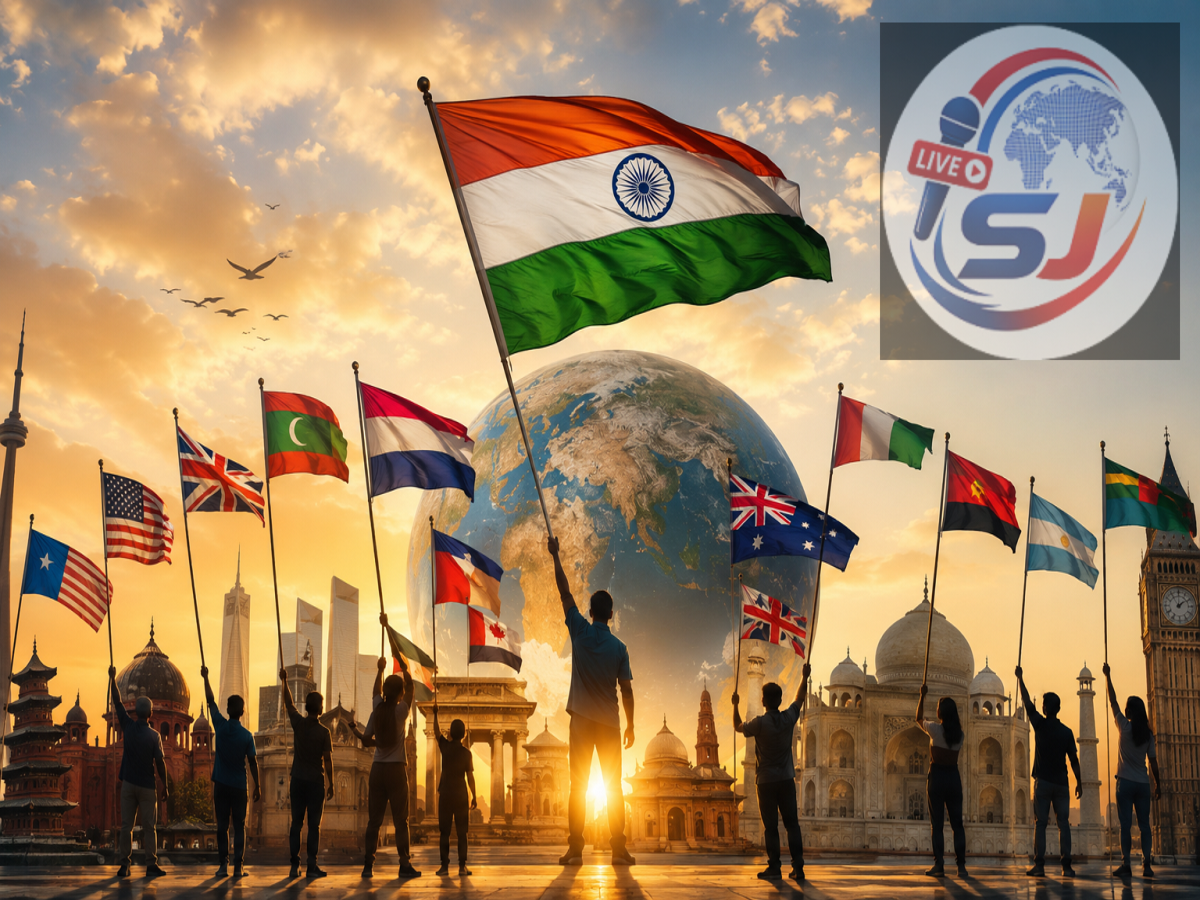
August 15 Around the World: For Indians, August 15 is synonymous with freedom. India marks Independence Day every year on this date to remember the end of British colonial rule in 1947 and honour the people who contributed to the country's freedom struggle. However, India is not the only nation where August 15 carries major historical or national significance.
South Korea and North Korea both commemorate liberation from Japanese colonial rule on August 15. The Republic of the Congo celebrates its independence from France on the same date. Bahrain also became independent on August 15, although its official National Day is celebrated in December. Meanwhile, the European principality of Liechtenstein observes its National Day on August 15 for reasons unrelated to colonial independence.
Here's why August 15 is important in these countries.
India: Independence From British Rule
India achieved independence from British colonial rule on August 15, 1947, following a long freedom movement involving generations of political leaders, revolutionaries, activists and ordinary citizens.
Every year, the main national ceremony takes place in New Delhi, where the Prime Minister hoists the national flag at the Red Fort and addresses the country.
Flag-hoisting ceremonies, cultural programmes, patriotic events and tributes to freedom fighters are organised across states, schools, government institutions and communities.
In 2026, India is celebrating its 80th Independence Day, marking 79 years since independence in 1947.
South Korea: Celebrating the Return of Light
August 15 is one of South Korea's most important national holidays. Known as Gwangbokjeol, the occasion commemorates Korea's liberation from Japanese colonial rule in 1945.
The name is commonly translated as the "Day the Light Returned."
Japan formally annexed Korea in 1910 and ruled the Korean Peninsula until the end of World War II. Japan's surrender in August 1945 brought the colonial period to an end.
August 15 gained another layer of significance three years later. On August 15, 1948, the Republic of Korea was formally established.
South Korea marks the occasion with official ceremonies, cultural programmes and displays of the national flag. Independence activists and their descendants are also honoured for their role in the struggle against Japanese rule.
North Korea: Liberation Day Is Also Observed on August 15
Despite the deep political divide between North and South Korea, both countries commemorate liberation from Japanese colonial rule on the same date.
North Korea observes August 15 as the Day of the Liberation of the Fatherland, remembering the end of Japanese colonial rule in 1945.
Official commemorations in North Korea typically reflect the country's own political narrative and place particular emphasis on revolutionary resistance associated with Kim Il Sung.
Ceremonies, cultural performances and official events can be held to commemorate the occasion, while tributes may also be paid at monuments in Pyongyang.
This makes August 15 unusual in modern history: two politically divided countries on the Korean Peninsula commemorate liberation on the same day, though their narratives and ceremonies differ significantly.
Republic of the Congo: Independence From France
August 15 is also Independence Day in the Republic of the Congo, often called Congo-Brazzaville to distinguish it from the neighbouring Democratic Republic of the Congo.
The Republic of the Congo gained independence from France on August 15, 1960.
The country had been under French colonial influence for decades. Following World War II, demands for independence grew across Africa as anti-colonial movements gained momentum.
The late 1950s and early 1960s subsequently saw numerous African territories move towards self-government and independence.
For the Republic of the Congo, August 15 therefore marks the establishment of the country as an independent sovereign state.
Bahrain Became Independent on August 15, but Celebrates National Day in December
Bahrain has a particularly interesting connection with August 15.
The Gulf nation became independent on August 15, 1971, after ending special treaty arrangements with Britain. Britain had previously exercised significant influence over Bahrain's defence and foreign relations.
As Britain withdrew from its commitments east of Suez, Bahrain moved towards full sovereignty.
Despite August 15 being associated with its independence, Bahrain does not observe its principal National Day on this date.
Instead, Bahrain celebrates National Day on December 16, a date connected with the accession of the late Emir Isa bin Salman Al Khalifa and the country's modern national history.
This distinction is important because a country's historical date of independence and its officially celebrated National Day are not necessarily the same.
Liechtenstein: August 15 Is National Day, but Not Independence Day
Liechtenstein also celebrates August 15, but for a completely different reason.
The small European principality observes its National Day, known as Staatsfeiertag, on August 15. Unlike India, Korea or the Republic of the Congo, the celebration does not commemorate liberation from colonial rule.
The National Day was established in 1940. The date was chosen partly because August 15 is the Catholic Feast of the Assumption of Mary and also because it was close to the August 16 birthday of Prince Franz Josef II.
The celebration helped reinforce national unity during the difficult period surrounding World War II.
National Day celebrations traditionally include official events involving the princely family and the public. Festivities can also feature cultural activities, illuminations and fireworks.
Countries Connected With August 15 at a Glance
| Country | What August 15 Represents | Key Year |
|---|---|---|
| India | Independence from British rule | 1947 |
| South Korea | Liberation from Japanese colonial rule | 1945 |
| North Korea | Liberation from Japanese colonial rule | 1945 |
| Republic of the Congo | Independence from France | 1960 |
| Bahrain | Date of independence from Britain | 1971 |
| Liechtenstein | National Day | Established in 1940 |
One Date, Different Chapters of History
August 15 represents very different historical experiences around the world. For India, it marks the end of British colonial rule. For both Koreas, it recalls liberation from Japanese rule, while the Republic of the Congo remembers independence from France.
Bahrain's independence also dates to August 15, although its National Day celebrations take place in December. Liechtenstein, meanwhile, observes August 15 as National Day for religious and historical reasons rather than to commemorate independence.
These different stories show how a single date on the calendar can represent freedom, national identity and historical remembrance for countries thousands of kilometres apart.