
WhatsApp Wedding Card Scam: Ahmedabad Man Loses ₹6.4 Lakh After Installing APK File
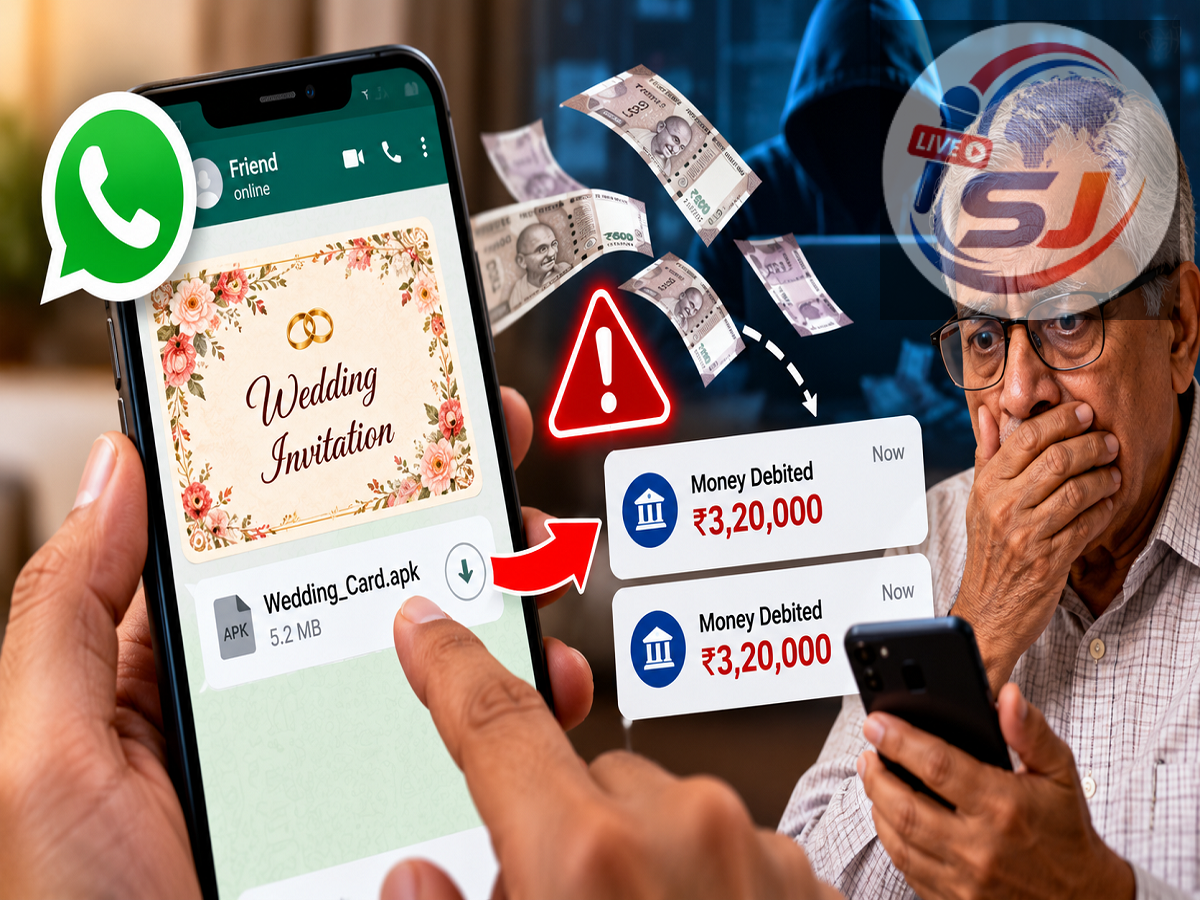
A digital wedding invitation received on WhatsApp allegedly turned into a costly cyber fraud for a 71-year-old man in Ahmedabad, who reportedly lost around ₹6.4 lakh from two bank accounts after installing a malicious APK file sent as a wedding card.
The incident highlights a growing cybercrime tactic in which fraudsters disguise harmful Android application files as wedding invitations, courier notifications, electricity bills, festival greetings or other seemingly genuine documents.
According to the reported case, the victim received the message from the number of someone he knew, which reduced his suspicion. However, the attachment was reportedly not an ordinary image, video or PDF invitation. It was an APK file, a format used to install applications on Android smartphones.
After the file was installed, investigators suspect that the malicious application gained access to sensitive functions on the phone. Within days, money was allegedly transferred from the victim's bank accounts through multiple transactions.
How the Ahmedabad WhatsApp Scam Unfolded
According to media reports cited in the case, the victim is a retired businessman living in Ahmedabad's Meghaninagar area.
On September 15, he reportedly received a wedding invitation through WhatsApp. Since the message appeared to have arrived from the number of an acquaintance, he did not immediately suspect fraud.
He tapped on the invitation and downloaded the attached APK file.
The situation became more concerning after the same message reportedly began getting forwarded automatically to people in his WhatsApp contacts. This indicated that the installed file may have gained access to parts of the device or messaging activity.
Two days later, the man reportedly started receiving SMS alerts related to banking transactions. He then discovered that approximately ₹6.4 lakh had been withdrawn or transferred from two of his accounts through several transactions.
The incident was subsequently reported to the authorities.
What Is an APK File?
APK stands for Android Package Kit. It is a file format used to distribute and install applications on Android devices.
APK files themselves are not inherently malicious. However, installing an APK received from an unknown or unverified source can be dangerous because it bypasses some of the protections users receive when downloading apps through trusted app stores.
A malicious application may request permissions that provide access to sensitive parts of a smartphone. Depending on the permissions granted and the malware involved, criminals may attempt to access messages, notifications, contacts or other information that could facilitate financial fraud.
In the Ahmedabad case, police reportedly suspect that the malicious application enabled the fraudsters to access sensitive information and potentially intercept information required to carry out banking transactions.
Why Are Fraudsters Using Wedding Invitations?
Wedding invitations work particularly well as social-engineering bait because people are accustomed to receiving digital invitations through WhatsApp.
A message appearing to come from a relative, friend or known contact may appear trustworthy enough for the recipient to open the attachment without carefully checking its file type.
Wedding season can make the tactic even more effective because receiving such invitations does not seem unusual.
Cybercriminals have reportedly used similar tactics by disguising suspicious files as courier updates, electricity bills, festive greetings and other routine communications.
A particularly important warning sign is an invitation that asks the recipient to install an Android application rather than simply opening a normal document, image or video.
Similar Fraud Cases Have Also Been Reported
The ₹6.4 lakh case is reportedly not an isolated incident.
According to the source report, another 74-year-old retired consultant in Ahmedabad recently lost around ₹15.5 lakh after allegedly installing an APK disguised as a wedding invitation.
A separate case involving a 78-year-old person in Vadodara reportedly resulted in a loss of approximately ₹10.6 lakh.
These incidents demonstrate why even a message received from a familiar number should not automatically be considered safe. A person's messaging account or device may itself have been compromised, allowing malicious messages to spread to contacts.
How to Identify a Suspicious Wedding Invitation
A normal digital invitation may arrive as a PDF, JPG, PNG, video or web link. An APK attachment is different because it is designed to install software on an Android phone.
If a supposed wedding invitation requires you to install an application from a WhatsApp attachment, it should be treated with extreme caution.
Even when the sender appears to be a friend or relative, verify the message separately. Calling the person directly is a simple way to confirm whether they actually sent the invitation.
Users should also pay close attention to unexpected permission requests. A wedding invitation should not require broad access to SMS messages, notifications, contacts or other sensitive phone functions simply to display event details.
What Should You Do If You Receive a Suspicious APK?
Do not install an unexpected APK received through WhatsApp, SMS or another messaging service, even if the sender appears familiar.
If you have already installed a suspicious application, disconnecting the device from the internet and seeking trusted technical assistance can help limit further exposure. Review recently installed applications and account activity, and contact your bank immediately if financial information may have been compromised.
Banking credentials should be changed using a trusted, uncompromised device where possible rather than relying on a phone suspected of containing malware.
If unauthorised transactions have already occurred, immediately inform the bank and request appropriate action to protect the account. In India, suspected cyber financial fraud can also be reported through the 1930 cybercrime helpline.
One Simple Rule Can Prevent a Major Loss
The Ahmedabad case is a reminder that the appearance of a familiar sender does not guarantee that an attachment is genuine.
Digital wedding invitations have become common, but there is generally no reason to install an unknown Android application merely to view one. If an invitation arrives as an APK file, avoid installing it and confirm the message directly with the sender.
A few seconds spent checking the attachment can be far safer than giving an unknown application access to a smartphone containing banking, messaging and personal information.