
WhatsApp SIM-Binding Rules 2027: Will Messaging Apps Stop Working Without a Registered SIM From January 1?
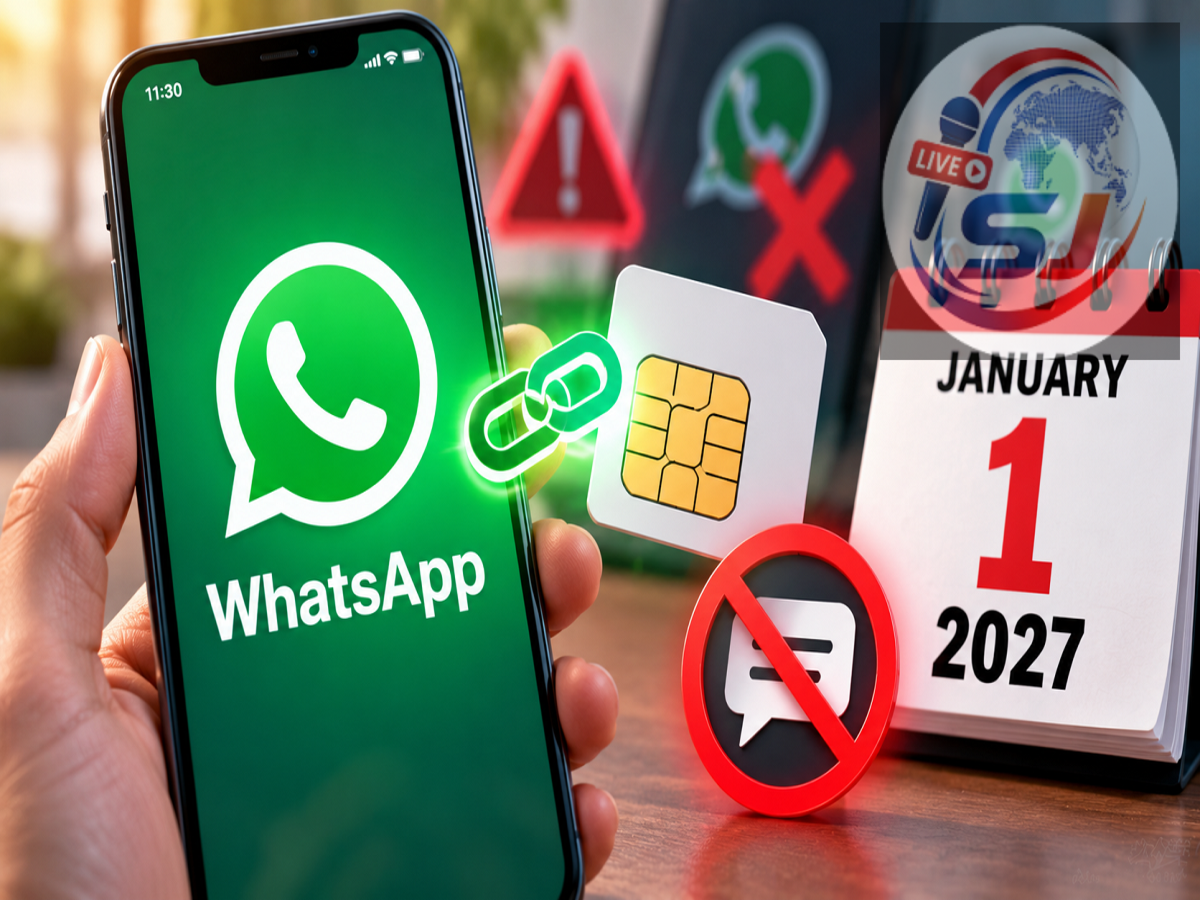
WhatsApp New Rules 2027: Millions of smartphone users in India could face changes in how they access messaging applications from January 1, 2027, following a reported government directive requiring SIM-based verification for communication platforms.
According to reports, the Department of Telecommunications (DoT) has directed messaging services such as WhatsApp, Telegram and other supported applications to ensure that users continue to have access to the active SIM associated with their registered mobile numbers.
The proposed implementation deadline is December 31, 2026, with the requirements reportedly expected to take effect from January 1, 2027.
The move is intended to strengthen digital security and make it more difficult for cybercriminals to misuse Indian mobile numbers for online fraud.
However, the new requirement has also raised questions among people who use messaging applications through Wi-Fi, frequently change SIM cards or access their accounts on multiple devices.
Here is what the reported SIM-binding requirement means, which users could be affected and what smartphone owners should know before the implementation date.
What Is the New WhatsApp SIM-Binding Rule?
SIM binding is a security mechanism that links an application account to the SIM associated with its registered mobile number.
Currently, many messaging applications verify a mobile number when an account is created or registered on a new device.
Once the verification process is completed, users can often continue accessing their accounts through an internet connection, even if the originally registered SIM is no longer present in the phone.
The reported new requirement seeks to change this arrangement.
Under the proposed implementation, messaging platforms would need to check whether the registered SIM remains available and active in the device being used.
If the required SIM is removed, deactivated or replaced, the application may restrict access until the necessary verification conditions are satisfied.
This would represent a significant change for users who operate messaging accounts on devices without keeping their registered SIM installed.
When Will the New WhatsApp Rules Take Effect?
According to the supplied October 23, 2026 report, messaging companies have been instructed to complete the necessary technical changes by December 31, 2026.
The new requirements are reportedly scheduled to apply from January 1, 2027.
However, the exact implementation date, compliance conditions and enforcement arrangements should be confirmed through an official DoT notification.
Users should not assume that every messaging account will automatically stop working on January 1.
The actual impact will depend on the final rules and how individual applications implement SIM verification.
Which Messaging Apps Could Be Affected?
The reported SIM-binding requirements are not limited to WhatsApp.
Several messaging and communication platforms have been mentioned in connection with the government's directive.
These include:
-
WhatsApp
-
Telegram
-
Signal
-
Snapchat
-
Arattai
-
ShareChat
-
JioChat
The precise obligations may vary depending on how each service is classified under the applicable regulatory framework.
Users should follow official announcements from the Department of Telecommunications and their respective messaging service providers for implementation details.
What Happens if You Remove the Registered SIM From Your Phone?
The biggest potential change concerns users who remove the SIM card linked to their messaging account.
Under the reported SIM-binding system, an application may check whether the mobile number used for registration remains associated with an active SIM in the device.
If the SIM is removed or becomes inactive, users could face restrictions while attempting to access the application.
For example, someone who registers WhatsApp using one mobile number and later removes that SIM while continuing to use the application through Wi-Fi may be required to restore the registered SIM or complete another verification process.
Similarly, users who change mobile numbers or replace SIM cards may need to follow additional steps to maintain uninterrupted access.
The precise behaviour of each application will depend on its technical implementation and the final regulatory requirements.
Will WhatsApp Stop Working on Wi-Fi?
One important point is that SIM binding and internet connectivity are two different things.
A messaging application may use Wi-Fi to send and receive messages while separately checking whether the registered SIM is present.
Therefore, the reported requirement does not necessarily mean that WhatsApp users must use mobile data instead of Wi-Fi.
The concern is whether the phone satisfies the SIM-verification conditions while connected to the internet.
For example, a user with the registered SIM installed may still be able to communicate through Wi-Fi, subject to the application's implementation.
However, someone using WhatsApp on a phone without the required SIM could encounter access restrictions if the reported rules are enforced as described.
WhatsApp Web and Desktop Users May Face Additional Verification
The reported changes could also affect people who access messaging applications through laptops and desktop computers.
According to the supplied report, web-based messaging sessions may be required to log out at least once every six hours.
Users would then need to authenticate again, potentially by scanning a QR code through their registered mobile device.
If implemented, this could create additional steps for people who depend on WhatsApp Web or similar services for daily communication.
Professionals, business owners and customer support teams using desktop messaging throughout the day may find repeated authentication inconvenient.
However, the six-hour logout requirement should be treated as a reported provision until its precise scope and implementation are confirmed through official documentation.
Why Is the Government Introducing SIM Binding?
The stated objective behind the reported SIM-binding requirement is to reduce cybercrime and strengthen accountability in digital communication.
Fraudsters may use mobile numbers to create messaging accounts and subsequently operate those accounts without retaining access to the original SIM.
This can complicate investigations into certain forms of online fraud.
By requiring continued access to a verified SIM, authorities aim to make it harder to operate messaging accounts using disconnected or improperly controlled mobile numbers.
The reported measure is intended to help address activities such as impersonation, fraudulent messages and other forms of online deception.
However, SIM binding alone cannot eliminate cybercrime.
Fraudsters may still attempt to exploit stolen devices, compromised accounts, social engineering techniques or other weaknesses.
Users must therefore continue following established digital safety practices.
Who Could Be Most Affected by the New Rules?
Several categories of users may need to pay particular attention to the reported changes.
People using messaging applications on secondary smartphones without an active SIM could face verification difficulties.
Users who frequently switch SIM cards between devices may also experience interruptions if the application checks for the registered SIM.
Individuals using one account across multiple linked devices could encounter additional authentication requirements.
International travellers who temporarily replace their Indian SIM with a local SIM may also need to review how the final rules address travel and roaming situations.
Businesses relying heavily on messaging platforms should monitor whether the requirements affect their existing desktop and multi-device workflows.
The actual consequences for these groups remain dependent on the final regulatory and technical arrangements.
What About eSIM Users?
Modern smartphones increasingly support embedded SIM technology, commonly known as eSIM.
Unlike a traditional physical SIM card, an eSIM is digitally provisioned through compatible devices and mobile networks.
The supplied report refers to an Apple software update reportedly related to detecting SIM availability on iPhones.
However, the report does not establish that eSIM users will lose access to WhatsApp or that a physical SIM will be mandatory.
An active eSIM can perform many of the same subscriber-identification functions as a physical SIM.
Whether the reported requirements distinguish between physical SIMs and eSIMs must be confirmed through official technical guidance.
Users should avoid making unnecessary changes to their devices based on unverified claims.
What Should WhatsApp and Telegram Users Do Before January 2027?
For now, users can take several practical precautions to reduce the possibility of account-access problems.
They should ensure that the mobile number associated with their messaging account remains active and under their control.
Anyone planning to change their registered mobile number should use the application's official account-transfer or change-number functionality where available.
Keeping messaging applications updated can also help users receive security improvements and compatibility changes introduced by service providers.
Users should enable available account-protection features, including two-step verification or other supported authentication methods.
It is also advisable to maintain appropriate chat backups, particularly before changing devices or mobile numbers.
Most importantly, users should avoid responding to suspicious messages claiming that their WhatsApp account will be permanently blocked unless they immediately share an OTP or verification code.
Government compliance announcements can be misused by scammers to create fake warnings and phishing messages.
Will WhatsApp Be Banned in India From January 1, 2027?
The supplied report does not describe a nationwide ban on WhatsApp or Telegram.
Instead, it discusses a reported technical compliance requirement intended to connect messaging accounts more closely with registered mobile SIMs.
This distinction is important.
Even if SIM-binding requirements take effect, they would not necessarily prevent eligible users from accessing messaging applications.
Rather, users who do not satisfy the verification conditions could encounter restrictions until the relevant requirements are met.
Claims that WhatsApp will completely shut down across India from January 1, 2027, would therefore be misleading based on the information provided.
Final Takeaway
The reported SIM-binding rules could introduce important changes for WhatsApp, Telegram and other messaging application users in India from January 1, 2027.
Under the described requirements, users may need to keep the SIM associated with their registered mobile number active in their device.
People using SIM-free smartphones, frequently switching numbers or relying on desktop messaging could be among those most affected.
However, the exact enforcement date, technical requirements and consequences of removing a SIM should be verified through official government and application-provider announcements.
Until then, users should maintain access to their registered mobile numbers, keep their applications updated and remain alert to fraudulent messages exploiting confusion about the reported rules.
Editorial note: This article is based on the supplied October 23, 2026 report. The claimed January 1, 2027 implementation date, six-hour desktop logout requirement and specific application coverage have not been independently verified against an official DoT order. They should be presented as reported requirements rather than confirmed operational changes.