
WhatsApp May Replace 6-Digit Two-Step Verification PIN With Stronger Account Passwords
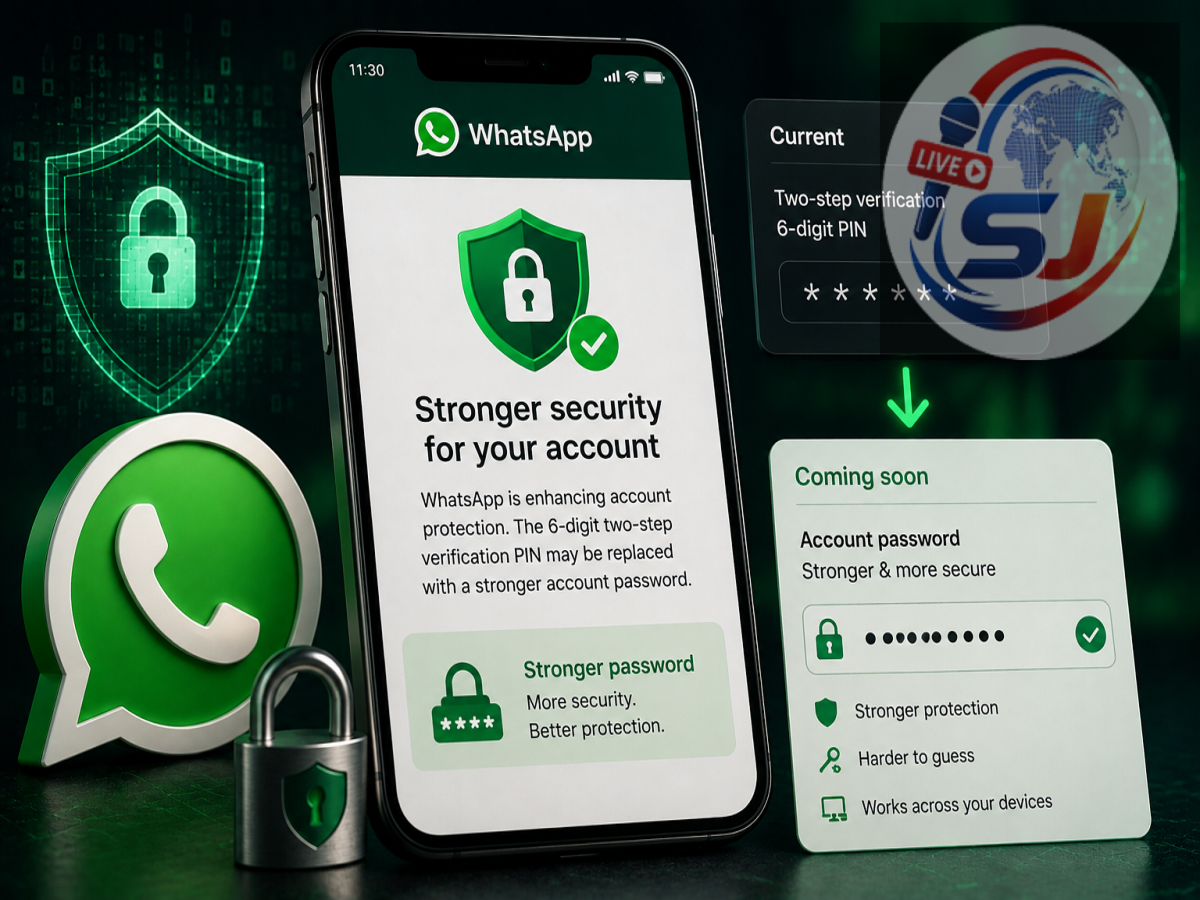
WhatsApp is reportedly preparing another major security improvement that could change how users protect their accounts. The messaging platform is said to be developing an upgraded version of its two-step verification system that may eventually allow users to replace the existing six-digit numeric PIN with a more traditional account password.
WhatsApp already provides two-step verification as an optional security feature. When enabled, users create a six-digit PIN that adds an additional layer of protection to their account. The proposed change could expand this system by allowing users to create passwords containing both letters and numbers.
The feature is reportedly still at an early stage of development, which means WhatsApp users should not expect it to become available immediately.
WhatsApp Could Upgrade Its Two-Step Verification System
According to WhatsApp feature-tracking platform WABetaInfo, the company is working on a security option that could allow users to replace their current two-step verification PIN with a password.
At present, WhatsApp's two-step verification feature relies on a six-digit PIN chosen by the user. This PIN is separate from the verification code that may be required when registering a WhatsApp account.
The reported password-based system could provide users with more flexibility when creating their account credentials.
Instead of being restricted to six numbers, users could potentially create stronger combinations using letters and numbers. Depending on how WhatsApp ultimately implements the feature, this could make credentials more difficult to guess than a simple numeric PIN.
Why Could a Password Offer Better Protection?
Passwords can potentially provide greater complexity because they allow a much larger number of possible combinations than a short numeric PIN.
For example, a six-digit PIN is limited to numbers. A longer password containing a combination of letters and numbers can be considerably more difficult to guess when created properly.
However, the security benefit would depend heavily on how users choose their passwords.
A weak password based on a name, birthday, phone number or common word may offer limited protection. Users would therefore need to choose unique credentials rather than reusing passwords already associated with their email, social media, banking or other online accounts.
The proposed feature could be particularly useful for people who use WhatsApp extensively for professional communication, exchange confidential information through the app or communicate about financial matters.
Will the New WhatsApp Password Be Mandatory?
Based on the information currently available, the proposed password system is expected to remain connected to WhatsApp's optional two-step verification feature.
This means users who do not activate two-step verification are unlikely to be forced to create an additional password simply because of the reported change.
For people who already use two-step verification, the potential upgrade could provide another way to strengthen account security beyond the existing numeric PIN.
However, WhatsApp has not yet rolled out the feature broadly, and its final implementation could differ from what is currently being developed.
Feature Is Reportedly Still in Early Development
Users should note that the password-based security option is reportedly at an early development stage.
It is not yet generally available for beta testers, according to the report. Features discovered during development do not always reach the final version of an application in exactly the same form.
WhatsApp could modify the feature, change how it works, postpone its release or potentially decide not to introduce it at all.
For that reason, users should treat the password system as a feature under development rather than an already confirmed replacement for the current six-digit PIN.
How Does WhatsApp Two-Step Verification Work Now?
Users do not need to wait for the proposed password feature to improve their account security. WhatsApp's existing two-step verification system is already available and can be enabled through the app's settings.
Users can open WhatsApp Settings > Account > Two-step verification and follow the available options to activate the feature.
Once two-step verification is enabled, users create a six-digit PIN. WhatsApp also provides options to change the PIN or disable the feature when required.
An email address can also be associated with two-step verification. Keeping the recovery email accurate and accessible is important because it can help with account recovery and PIN-related issues.
Users should ensure that the associated email account is itself protected by a strong password and appropriate security measures.
Never Share Your WhatsApp Verification Credentials
Whether WhatsApp continues with a numeric PIN or eventually introduces account passwords, one security rule will remain important: verification credentials should never be shared with another person.
Scammers frequently use social engineering to persuade victims to disclose verification codes or other account information. They may pretend to be a friend, customer-support representative, company employee or another trusted person.
Users should also regularly review the Linked Devices section of WhatsApp. If an unfamiliar computer, browser or device appears there, it should be logged out immediately.
Suspicious QR codes should also be avoided because QR-based tricks can sometimes be used to persuade users to link an unauthorized device to their account.
WhatsApp Continues to Focus on Account Security
WhatsApp has been steadily adding privacy and security tools as online scams and account-takeover attempts become increasingly sophisticated.
The reported move from a six-digit PIN toward a password-based two-step verification system appears to be another effort to give users stronger control over account protection.
For now, however, the existing two-step verification feature remains the option available to users. Those who have not activated it can review the setting and consider adding a recovery email address as well.
If WhatsApp eventually launches password-based two-step verification, users may gain greater flexibility to create stronger credentials. Until an official rollout takes place, though, the feature should be viewed as a security upgrade currently under development rather than a confirmed change for every WhatsApp account.