
Viral WhatsApp Message Claims Government Is Monitoring Calls and Chats: PIB Reveals the Truth
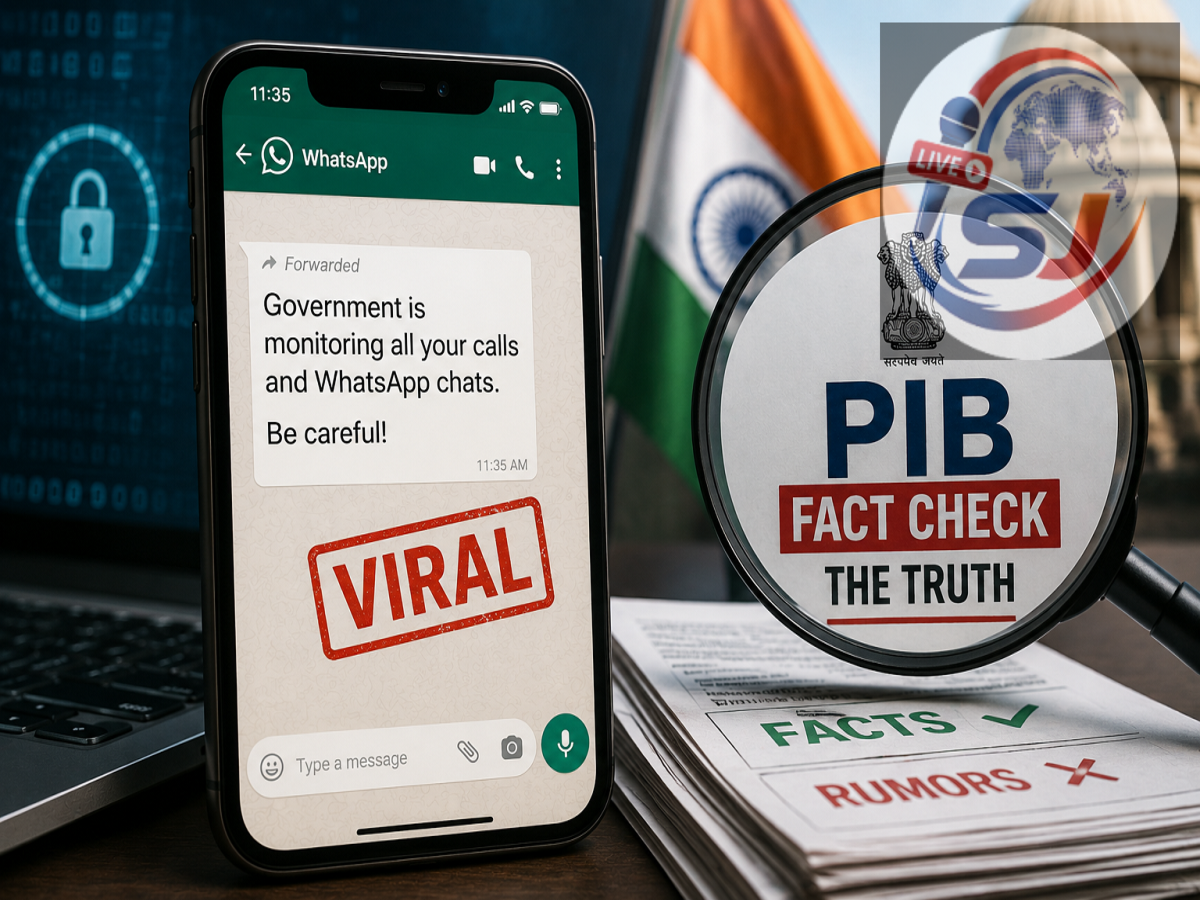
A message circulating widely on WhatsApp has sparked privacy concerns by claiming that the Indian government has introduced new rules to monitor people's phone calls, messages and activities across social media platforms. The viral post goes further, suggesting that users could face legal action based on their online conversations and that new coloured tick marks would indicate whether their messages were being watched.
However, users should not panic over these claims. According to the Press Information Bureau's Fact Check Unit (PIB Fact Check), the viral message is fake. The government has not announced the new WhatsApp monitoring rules described in the circulating post.
The misleading message appears designed to create fear and encourage people to forward it to friends and relatives. Here's what it claims and what users need to know before sharing it further.
What Does the Viral WhatsApp Message Claim?
The viral post claims that the government will monitor people's activities on WhatsApp, Facebook, Twitter/X and Instagram, including their calls and messages.
It also suggests that a new system of differently coloured ticks will appear on WhatsApp to indicate various stages of government surveillance or possible legal action.
These claims can sound convincing because WhatsApp already uses tick marks to show the delivery status of messages. A single grey tick generally indicates that a message has been sent, two grey ticks indicate delivery, and blue ticks can indicate that a message has been read, depending on the user's privacy settings.
The viral message attempts to build on this familiar feature by inventing additional meanings linked to government monitoring.
Viral Post Also Lists 11 Supposed 'New Rules'
The misleading forward reportedly contains a list of 11 alleged rules that users are told to follow.
Among other things, the message warns people against sending certain political content and makes alarming claims about arrests and legal action. It reportedly suggests that people could be arrested without a warrant under the supposed new rules.
The message then asks recipients to forward the warning to their friends and family.
This request to urgently share information with everyone is a common characteristic of viral misinformation. Users may forward such messages because they believe they are protecting others, allowing an unverified claim to spread rapidly.
PIB Fact Check Says the Message Is Fake
The government's fact-checking unit has addressed the viral claim.
According to PIB Fact Check, the information being circulated through the WhatsApp message is false. The Indian government has not issued the kind of new guidelines regarding WhatsApp surveillance described in the post.
This means users should not interpret the alleged coloured ticks, 11 new rules or other claims in the forwarded message as an official government announcement.
People who receive the message should avoid forwarding it simply because it appears detailed or uses authoritative-sounding language.
Are WhatsApp's Tick Marks Connected to Government Monitoring?
The claims about special WhatsApp ticks indicating government surveillance should not be confused with WhatsApp's normal message-status indicators.
WhatsApp uses its familiar tick system to provide information about the delivery and reading status of messages.
A single grey tick, two grey ticks and two blue ticks have functions related to message status. They are not, based on the fact-check discussed here, evidence of the supposed new government monitoring system described in the viral forward.
Users should therefore be suspicious of messages claiming that additional colours or combinations of ticks automatically mean a conversation has been flagged or is under government observation.
Don't Forward Messages Just Because They Look Official
Misinformation frequently spreads through WhatsApp because forwarded messages can move rapidly between family, community and workplace groups.
A message does not become authentic simply because it contains detailed rules, government terminology or instructions presented in a formal tone.
Users should look for an official notification before believing claims about major changes to government rules, cyber laws, banking regulations or communication platforms.
If a message claims that the government has introduced a major new regulation, users can check official government websites and verified government communication channels before sharing it.
Be Careful With Fear-Based Viral Messages
False information often becomes more effective when it creates urgency.
Messages claiming that someone's account will be blocked, a person could be arrested, bank money could disappear or private conversations are suddenly being monitored can encourage people to react before verifying the information.
This is why users should be particularly careful with messages that tell them to immediately forward the information to everyone they know.
Before sharing such a post, check who originally issued the information. If the message does not provide a verifiable official notification, circular or announcement, that should be treated as a warning sign.
What Should You Do If You Receive This Message?
If the government-monitoring message appears in your WhatsApp inbox or group, there is no need to forward it as a warning to others.
Instead, tell the sender that the claim has been identified as false by PIB Fact Check.
Users should also avoid clicking links or downloading files attached to suspicious viral forwards. While a false text message may simply spread misinformation, malicious links and attachments can create separate cyber-security risks.
It is also advisable to avoid sharing OTPs, passwords, UPI PINs, banking credentials or other confidential information through messages or with unknown callers.
Verify Before You Share
WhatsApp is widely used in India for everything from personal conversations and family photos to workplace communication and financial information. That popularity also makes it an effective channel for spreading misinformation.
The latest viral claim is a reminder that even a detailed and widely forwarded message can be false.
According to PIB Fact Check, the Indian government has not introduced the new WhatsApp monitoring guidelines claimed in the viral message. The alleged new coloured tick system, monitoring rules and related warnings described in the forward should therefore not be treated as an official announcement.
The simplest rule for users is to verify before forwarding. If a message makes a major claim about government surveillance, arrests, banking rules or digital platforms, checking an official source can prevent misinformation from reaching hundreds of other people.