
UPI Payment Splitting Apps Promise to Avoid MDR: How They Work and What to Check
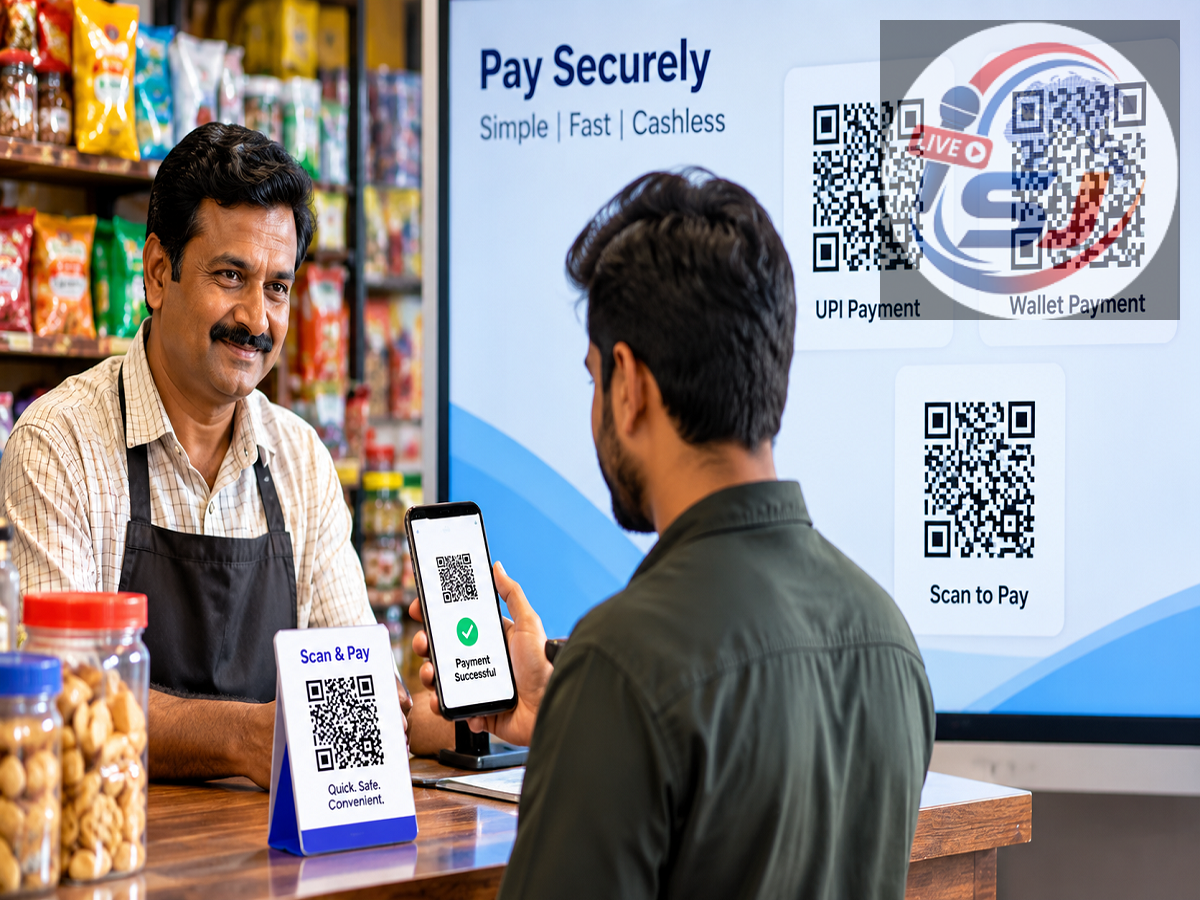
Apps that claim to divide a large UPI purchase into payments below ₹2,000 are attracting attention online. Their pitch is simple: if a merchant payment is split into smaller transactions, each part appears to fall below the threshold for the new Merchant Discount Rate, or MDR.
That claim needs context. Under the Department of Financial Services’ UPI MDR FAQs, the revised framework is scheduled to begin on October 15, 2026. It applies a standard 0.4% MDR to eligible person-to-merchant UPI payments above ₹2,000, with a ₹300 cap for payments of ₹75,000 or more. The merchant pays the MDR; it is not a charge imposed on the customer.
There is no need for a shopper to download another app to avoid a personal UPI fee under this framework. Whether splitting a genuine purchase changes a merchant’s processing cost in practice will depend on how the payments are handled, the merchant’s category and the applicable payment rules.
What Do These Apps Claim to Do?
The apps discussed online claim to take a single purchase amount and break it into several UPI payments of ₹1,999 or less. Instead of making one payment for a larger bill, a customer would be prompted to approve multiple smaller transfers.
For illustration, a ₹5,000 purchase could be divided into separate payments below ₹2,000. The claim is that none of the individual transactions would cross the standard MDR threshold. That is a description of the apps’ pitch, not confirmation that the method is approved, reliable or appropriate for a single purchase.
Splitting a bill between friends is a different activity. A person-to-person transfer to settle someone’s share of a meal remains free under the official FAQs. The viral claim concerns breaking one customer’s payment to a merchant into multiple parts to change how the purchase is processed.
Who Actually Pays the UPI MDR?
The distinction between customer and merchant costs is central to this story. The official FAQs say UPI customers continue to pay the listed purchase price without a transaction charge under the new MDR framework. Person-to-person transfers remain free, and merchant payments of up to ₹2,000 do not attract the standard MDR.
The FAQs also say that some small merchants remain in an exempt category even if they receive an individual payment above ₹2,000. Other merchant categories have different rates. For example, specified payments for railways, telecom, insurance and fuel can attract a flat ₹5 MDR above ₹2,000 rather than the standard percentage rate. A blanket claim that every merchant must pay 0.4% on every purchase above ₹2,000 would therefore be misleading.
If a seller asks a customer to make several small payments for one bill, the customer should first understand why. The official framework says onboarded merchants cannot pass the MDR on to buyers. A customer should not feel pressured to install an unfamiliar app or follow a complicated payment sequence on the premise that they personally face a new UPI charge.
What Are the Risks of Splitting One Payment?
Multiple payments create more opportunities for mistakes. One transfer may succeed while another fails, leaving the buyer and seller to reconcile a partly paid bill. A refund can also become harder to follow if a purchase is cancelled after several separate transactions.
An unfamiliar third-party app adds another concern: the user needs to know which company operates it, what permissions it requests and where each payment is being sent. A screen that displays a total bill does not guarantee that all the underlying transfers have gone to the intended merchant. Customers should check the recipient’s verified name and amount inside their trusted UPI app before approving each payment.
Never enter a UPI PIN to receive money, share a PIN or OTP with an app operator, or approve a collect request you do not recognise. If a payment fails or goes to the wrong recipient, save the transaction references and raise the issue through the UPI app and bank’s official support channels.
Is a Split-Payment App Necessary?
For customers, the answer is generally no: the announced MDR is a merchant-side charge, not a fee they must work around. For merchants, an app’s promise to eliminate costs should be checked against their bank or payment provider’s actual terms and transaction records before it is trusted.
The sensible approach is to pay the correct merchant through a trusted UPI app and keep a clear record of the purchase. A viral claim about “beating” the ₹2,000 threshold is not, by itself, evidence that an additional app is safe or that splitting one bill will deliver the promised result.