
UPI MDR Sparks Cash Push at Petrol Pumps: What Customers Need to Know
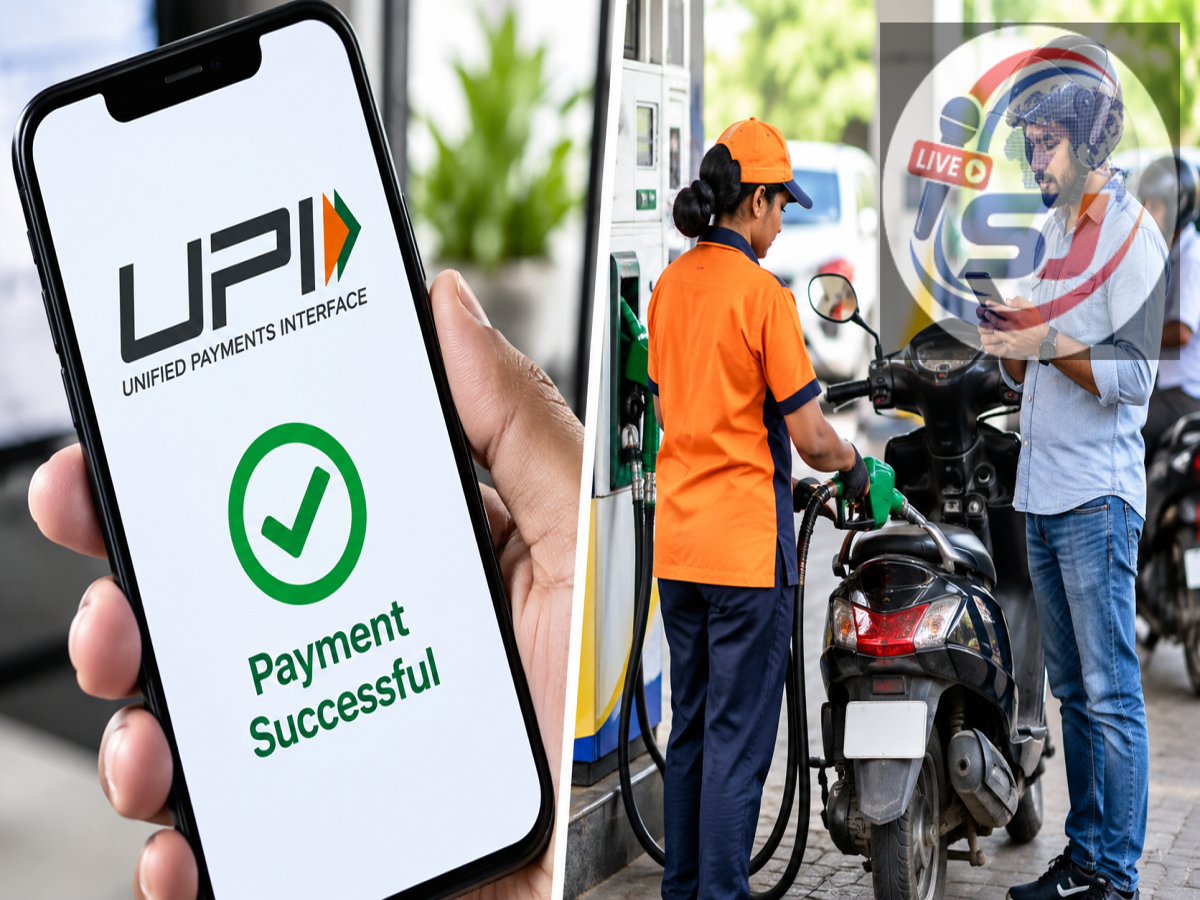
A new Merchant Discount Rate proposed for selected high-value UPI payments has triggered concern among petrol-pump operators, with some outlets reportedly encouraging customers to use cash for fuel purchases exceeding ₹2,000. Posters requesting cash payments have appeared at certain fuel stations in Rajasthan’s Alwar district, raising questions about whether UPI payments will become more expensive or be refused at petrol pumps.
The development follows the announcement of a revised MDR structure for merchant UPI transactions. The new system is scheduled to take effect on October 15, 2026. It is important to note that the MDR will be charged to eligible merchants—not directly to customers making UPI payments.
What is changing under the new UPI MDR system?
MDR, or Merchant Discount Rate, is a fee paid by a business for processing digital transactions. It is generally shared among banks, payment-service providers and other companies responsible for maintaining the payment infrastructure.
Under the announced framework, most person-to-merchant UPI payments exceeding ₹2,000 will attract an MDR of 0.4%. The maximum charge will be capped at ₹300 for transactions above ₹75,000.
However, the fuel sector has been placed under a different structure. Petrol pumps are expected to pay a flat MDR of ₹5 on eligible UPI transactions above ₹2,000 instead of the general 0.4% rate. Other specified sectors, including railways and telecom, are also covered by specialised pricing rules. The revised charges are expected to apply from October 15 rather than immediately.
Why are petrol-pump dealers opposing the charge?
Petrol-pump operators argue that their profit margin on every litre of fuel is already limited and largely fixed. Unlike many other retailers, fuel dealers cannot independently increase petrol or diesel prices to recover higher operating expenses.
Dealer groups say that even a flat fee of ₹5 could become a considerable recurring cost because petrol pumps process numerous high-value payments every day. Commercial vehicles, taxis, buses and customers filling an entire tank can easily generate bills of more than ₹2,000.
Several dealer associations have reportedly asked the government and oil-marketing companies to exempt fuel outlets from MDR. Some operators have warned that they may stop accepting UPI for payments above ₹2,000 if the charge is not withdrawn or compensated.
Reports indicate that cash-payment notices have appeared at some petrol stations in Alwar. Nevertheless, this should not be interpreted as a confirmed nationwide ban on UPI transactions at fuel stations. The response may vary between outlets and regions, while discussions between dealer organisations, oil companies and authorities continue.
Will customers have to pay the MDR?
Customers are not supposed to pay this fee. The announced MDR applies to the merchant side of an eligible transaction. Banks and payment-service providers have reportedly been instructed to ensure that merchants do not transfer the charge to consumers through an additional “UPI fee” or hidden surcharge.
Person-to-person transfers—such as sending money to a friend or family member—will remain outside the merchant MDR framework, irrespective of the transferred amount. UPI app providers are also not permitted to impose their own platform charge on customers under the announced arrangement.
This means a customer purchasing fuel worth ₹2,500 should normally pay only ₹2,500. The applicable flat MDR would be handled as a cost to the fuel merchant rather than being added to the customer’s bill.
Are smaller UPI payments affected?
Payments of ₹2,000 or less remain covered by the zero-MDR framework. Small merchants receiving up to ₹1 lakh per month through qualifying QR-based UPI transactions are also expected to remain exempt, regardless of an individual payment’s value.
The general 0.4% MDR will apply to eligible high-value merchant transactions, but fuel payments have a flat ₹5 structure. For that reason, claims that petrol pumps will lose 0.4% on every fuel payment above ₹2,000 may be misleading.
What should customers do at a petrol pump?
Customers can ask whether the outlet accepts UPI before fuel is dispensed, particularly when purchasing more than ₹2,000 worth of petrol or diesel. If a station displays a cash-only notice, motorists may use a debit card, credit card or cash where available.
A petrol pump should not add an unexplained UPI surcharge to the customer’s bill. Consumers should request a receipt and ask the outlet to explain any amount charged above the displayed fuel price.
The controversy highlights a larger challenge for India’s digital-payment system: funding secure and reliable payment infrastructure without discouraging merchants from accepting UPI. While petrol-pump dealers are seeking relief from the new charge, customers will need to watch for further clarification before the revised MDR system takes effect on October 15, 2026.