
Thinking of Installing Solar Panels? Know These 5 Important Drawbacks Before You Invest
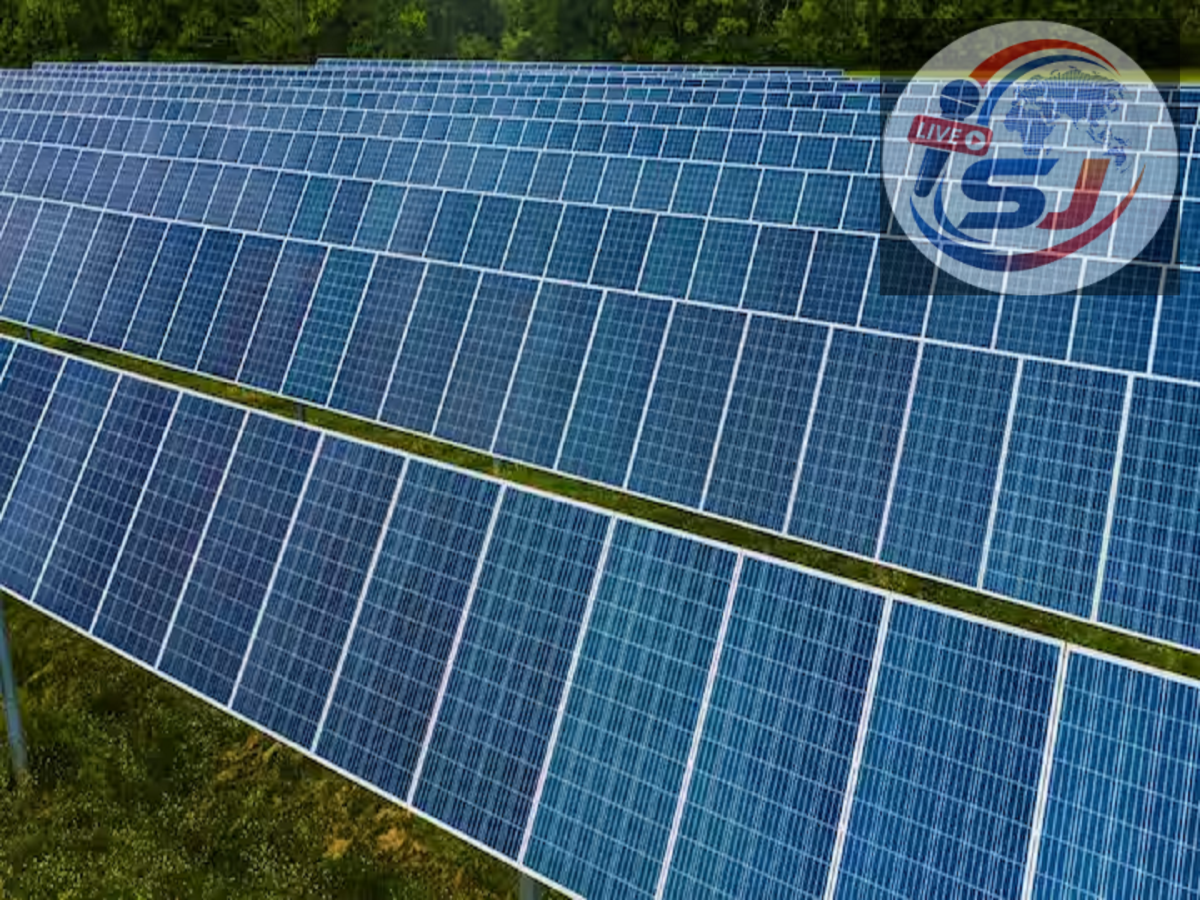
Rooftop solar systems can reduce electricity bills, but understanding their limitations before installation can help you make a smarter long-term decision.
With electricity costs continuing to rise, rooftop solar panels have become an increasingly popular choice for homeowners. By converting sunlight into electricity, solar systems can significantly reduce dependence on the power grid and help lower monthly electricity bills. Government subsidy schemes have also encouraged more families to consider renewable energy for their homes.
However, installing a solar power system is a major investment, and it is important to understand both its advantages and its limitations. Many homeowners focus only on the expected savings and overlook factors that can affect performance, maintenance, and long-term costs.
Here are five key drawbacks you should consider before installing solar panels at home.
1. High Initial Installation Cost
One of the biggest challenges of installing a rooftop solar system is the upfront investment.
Although government subsidy programs can reduce the overall expense, a quality solar setup still requires a considerable budget. Apart from the solar panels themselves, homeowners also need to pay for components such as:
-
Solar inverter
-
Mounting structure
-
Electrical wiring
-
Installation charges
-
Battery system (if required)
Depending on the system capacity, the initial investment can be substantial, making it difficult for some households to afford without proper financial planning.
2. Electricity Generation Depends on Sunlight
Solar panels perform best when they receive direct sunlight. Their electricity generation can decline during:
-
Cloudy weather
-
Heavy rainfall
-
Foggy conditions
-
Winter months with shorter daylight hours
-
Areas with frequent shade from trees or nearby buildings
While solar systems continue to generate some electricity under diffused sunlight, their overall output may decrease, reducing the expected energy savings during such periods.
3. Adequate Roof Space Is Essential
Not every house is suitable for rooftop solar installation.
To generate sufficient electricity, panels require a roof that offers:
-
Enough open space
-
Proper structural strength
-
Minimal shading
-
Correct orientation for maximum sunlight
If your roof is small, cluttered, or frequently shaded, the system's efficiency may be lower than expected, reducing its financial benefits.
4. Regular Cleaning and Maintenance Are Necessary
Solar panels generally require minimal maintenance, but they are not completely maintenance-free.
Dust, bird droppings, leaves, and pollution can accumulate on the panel surface and reduce energy production. Regular cleaning helps maintain optimal performance.
In addition, components such as inverters and batteries may require servicing or replacement over time, adding to long-term maintenance expenses.
5. Return on Investment Takes Time
Although solar panels can significantly reduce electricity bills, recovering the installation cost is not immediate.
Depending on factors such as:
-
System capacity
-
Daily electricity consumption
-
Local electricity tariffs
-
Available government subsidies
-
Weather conditions
It may take several years before the savings offset the initial investment. Homeowners looking for quick financial returns should understand that rooftop solar is generally a long-term investment rather than a short-term cost-saving solution.
Should You Install Solar Panels?
Despite these limitations, rooftop solar remains an attractive option for many households. When installed correctly in a location with adequate sunlight and used over many years, solar systems can provide substantial savings while reducing dependence on conventional electricity.
Before making a decision, compare installation costs, available subsidies, roof suitability, expected electricity generation, warranty coverage, and maintenance requirements. Consulting a certified solar installer can also help determine whether a rooftop solar system is the right choice for your home.
Final Thoughts
Solar energy offers an environmentally friendly and cost-effective alternative to conventional electricity, but it is important to understand its practical limitations before investing. Careful planning, realistic expectations, and selecting quality equipment can help homeowners maximize the benefits while avoiding unexpected expenses in the future.