
Sanchar Saathi Chakshu Portal 2026: Received a Suspicious Link? Report Fraud Messages and Stay Safe Online
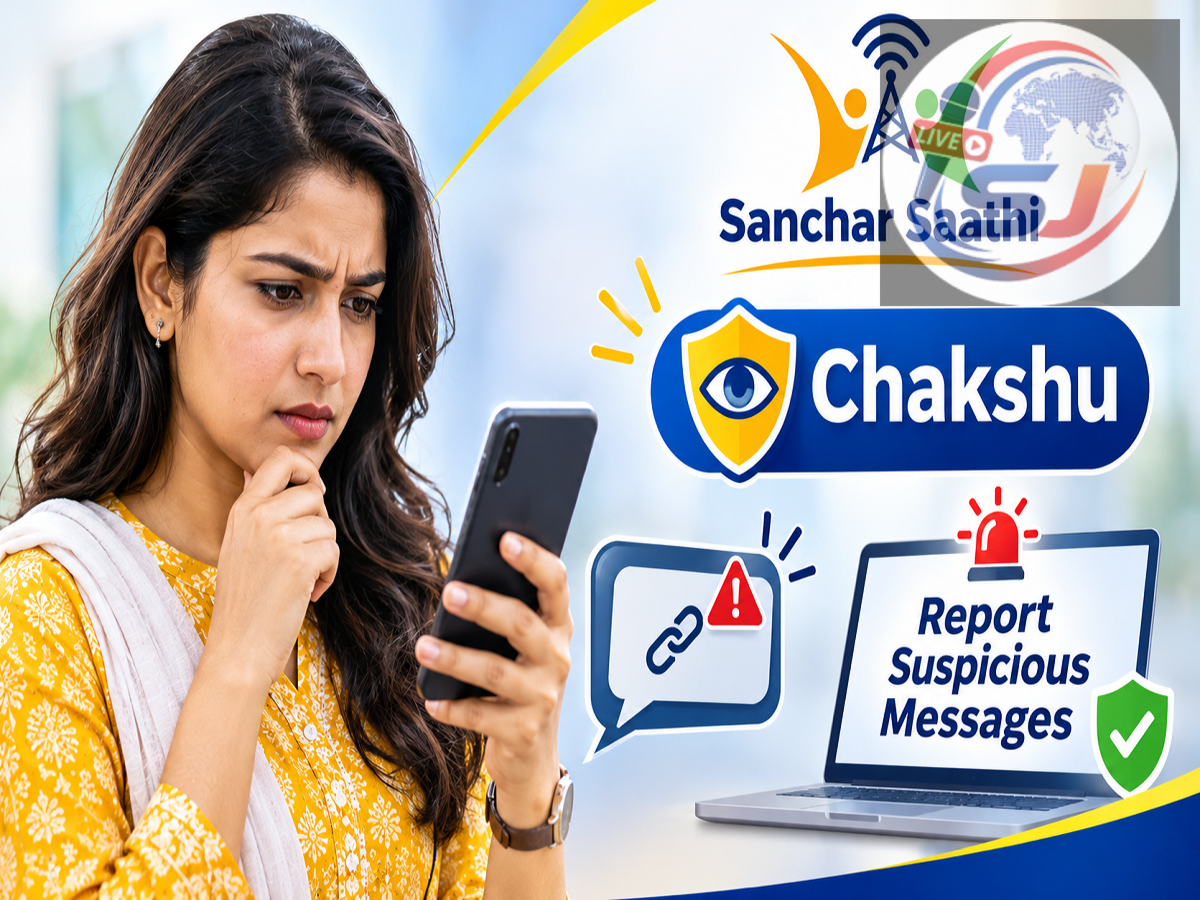
Sanchar Saathi Cyber Fraud Alert 2026: Cybercriminals are increasingly using suspicious links, fraudulent text messages, and fake communication to target mobile phone users. A single careless click on an unfamiliar link can expose individuals to phishing attempts, financial fraud, and the theft of sensitive personal information.
To encourage safer digital practices, the Department of Telecommunications (DoT), Government of India, has highlighted the importance of verifying suspicious messages before opening links or sharing personal information.
Through the Sanchar Saathi initiative, citizens can report suspected fraudulent communications using the Chakshu facility, which is designed to help authorities identify and act against the misuse of telecom resources.
The latest awareness message encourages mobile users to remain cautious, verify the identity of message senders, and report suspicious communications rather than responding to potentially dangerous links.
What Is the Sanchar Saathi Chakshu Facility?
Chakshu is a citizen-focused reporting facility available through the Government of India's Sanchar Saathi platform.
It allows individuals to report suspected fraudulent communications received through telecom channels, including suspicious calls, SMS messages, and certain messaging platforms.
The facility is particularly useful for reporting communications involving attempts to impersonate banks, government departments, telecom operators, and other trusted organisations.
Fraudsters frequently use familiar names, official-looking messages, and urgent warnings to convince people to reveal confidential information or visit malicious websites.
By reporting such communications through Chakshu, citizens can help authorities identify suspicious activity and take appropriate action under applicable procedures.
The service is part of the government's broader efforts to improve telecom security and protect consumers from digital fraud.
Why Should You Avoid Clicking Suspicious Links?
Suspicious links are among the most common tools used in phishing attacks.
Cybercriminals may send messages claiming that a bank account has been blocked, an electricity connection will be disconnected, or a parcel cannot be delivered.
These messages often contain links directing users to fraudulent websites designed to resemble legitimate service portals.
Once a user opens such a website, they may be asked to provide information such as bank account details, card numbers, passwords, or one-time passwords.
Some malicious websites may also attempt to persuade users to download harmful applications.
Although simply opening a link does not always result in financial loss or device compromise, interacting with a fraudulent website can significantly increase the risk.
Users should therefore verify the authenticity of unexpected messages before taking any action.
Common Types of Fraudulent Messages You Should Recognise
Cybercriminals frequently use different techniques to create urgency and gain the trust of their targets.
Fake Bank KYC Alerts: Messages may claim that a bank account will be suspended unless the customer immediately completes an online verification process.
Electricity Bill Scams: Fraudsters may threaten immediate power disconnection and ask consumers to contact an unknown number or open a payment link.
Parcel Delivery Fraud: Fake courier notifications may request additional charges or personal information to release a supposed shipment.
SIM Card Verification Scams: Criminals may impersonate telecom companies and claim that a mobile connection will be blocked unless the customer completes a verification process.
Fake Government Benefits: Fraudulent messages may promise subsidies, refunds, or financial assistance through unofficial websites.
Job and Investment Scams: Scammers may advertise attractive employment opportunities or guaranteed investment returns to encourage users to share information or transfer money.
Recognising these warning signs can help individuals avoid becoming victims of online fraud.
How to Report Suspicious Messages Through Sanchar Saathi Chakshu
Citizens who receive suspected fraudulent communications can report them through the official Sanchar Saathi portal.
Follow these steps:
-
Visit the official Sanchar Saathi website.
-
Find the Chakshu facility for reporting suspected fraudulent communications.
-
Select the appropriate reporting option.
-
Choose the type of suspicious communication received, such as a call, SMS, or supported messaging service.
-
Provide the relevant details, including the sender's number, communication date, and suspected fraud category.
-
Upload supporting information, such as a screenshot, if requested.
-
Complete any required verification and submit the report.
The information submitted can help the concerned authorities examine suspected misuse of telecom services.
Users should provide accurate details and avoid sharing unnecessary confidential information.
Sanchar Saathi Chakshu: Important Details
| Particulars |
Details |
|---|---|
| Government department |
Department of Telecommunications (DoT) |
| Platform |
Sanchar Saathi |
| Reporting facility |
Chakshu |
| Main purpose |
Reporting suspected fraudulent communications |
| Types of reports |
Suspicious calls, SMS, and supported messaging communications |
| Intended users |
Mobile and telecom consumers |
| Official website |
sancharsaathi.gov.in |
| Reporting fee |
Free |
What Should You Do After Receiving a Suspicious Message?
Receiving a suspicious message does not necessarily mean that your device or bank account has been compromised.
However, taking a few precautions can reduce the risk of fraud.
First, avoid opening unfamiliar links or downloading attachments from unknown senders.
If the message claims to come from a bank, telecom company, courier service, or government department, contact the organisation through its official website or verified customer support channel.
Do not rely on telephone numbers or website addresses provided within suspicious messages.
Never share passwords, banking PINs, card security codes, or OTPs with unknown individuals.
Users should also avoid installing applications recommended by unverified callers, particularly applications requesting screen-sharing or extensive device permissions.
If a communication appears fraudulent, preserve the relevant details and report it through the appropriate official channel.
Chakshu vs Cybercrime Portal: Where Should You Report Fraud?
It is important to understand the difference between reporting a suspected fraudulent communication and reporting an actual cybercrime.
Chakshu is primarily intended for reporting suspected fraudulent communications and telecom-related misuse.
However, individuals who have already lost money or become victims of cybercrime should report the incident through the official cybercrime reporting system.
In India, victims of financial cyber fraud can contact the national cybercrime helpline at 1930.
They can also submit complaints through the National Cyber Crime Reporting Portal.
Prompt reporting is particularly important in financial fraud cases because it may improve the possibility of intervention before stolen funds are transferred further.
Chakshu should not be treated as a replacement for filing a formal cybercrime complaint when financial loss or another criminal offence has occurred.
How to Identify a Fake Website or Fraudulent Link
Fraudulent websites often imitate legitimate banking, shopping, and government portals.
Before entering personal information, users should carefully examine the website address.
A website that uses an unfamiliar domain, unusual spelling, or misleading organisation name may be suspicious.
Users should also remember that the presence of HTTPS or a padlock symbol does not automatically guarantee that a website is genuine.
Scammers can create encrypted websites that still attempt to steal information.
The safest approach is to visit important websites by typing their verified addresses directly into the browser or using trusted official applications.
Unexpected requests for urgent payments, confidential information, or software installation should be treated with caution.
Why Reporting Suspicious Communications Matters
Reporting suspected fraudulent messages can contribute to wider efforts to reduce cybercrime.
When citizens share information about suspicious communication patterns, authorities may be better able to identify numbers and telecom resources associated with fraudulent activity.
This information can support investigations and appropriate regulatory action.
It can also help prevent similar communications from reaching other potential victims.
However, submitting a report does not guarantee immediate blocking of a number or recovery of money.
The outcome depends on verification, available evidence, and the procedures followed by the relevant authorities.
Important Cyber Safety Tips for Mobile Users
Mobile users can strengthen their digital security by following a few basic precautions.
Keep smartphones and installed applications updated with the latest security patches.
Use strong passwords and enable additional authentication wherever available.
Avoid installing applications from unknown websites or unverified sources.
Regularly review application permissions and remove unnecessary access to sensitive information.
Be cautious when receiving unexpected messages involving banking, investments, government benefits, or urgent account verification.
Most importantly, never allow fear or urgency to pressure you into opening an unfamiliar link.
Conclusion
The Department of Telecommunications' latest cyber safety message reminds citizens that a suspicious link should always be treated carefully.
Verifying the sender, avoiding unknown websites, and protecting confidential information can significantly reduce the risk of digital fraud.
Through the Sanchar Saathi Chakshu facility, mobile users have an official channel to report suspected fraudulent communications and help authorities identify potential telecom-related misuse.
Anyone who has already suffered financial loss or become a victim of cybercrime should immediately contact the national cybercrime helpline at 1930 or submit a complaint through the official cybercrime portal.
Disclaimer: This article is intended for public awareness and informational purposes. Reporting procedures and available services may change. Users should follow the latest instructions published by the Department of Telecommunications and other authorised government agencies.
Source Credit: Department of Telecommunications (DoT), Government of India — Official cyber safety awareness communication promoting the Sanchar Saathi Chakshu facility, with references to the Ministry of Communications, Press Information Bureau (PIB), and DD News. Official website: Sanchar Saathi.