
Sanchar Saathi Chakshu 2026: Getting Suspicious Calls From Unknown Numbers? Here's How to Report Them Online
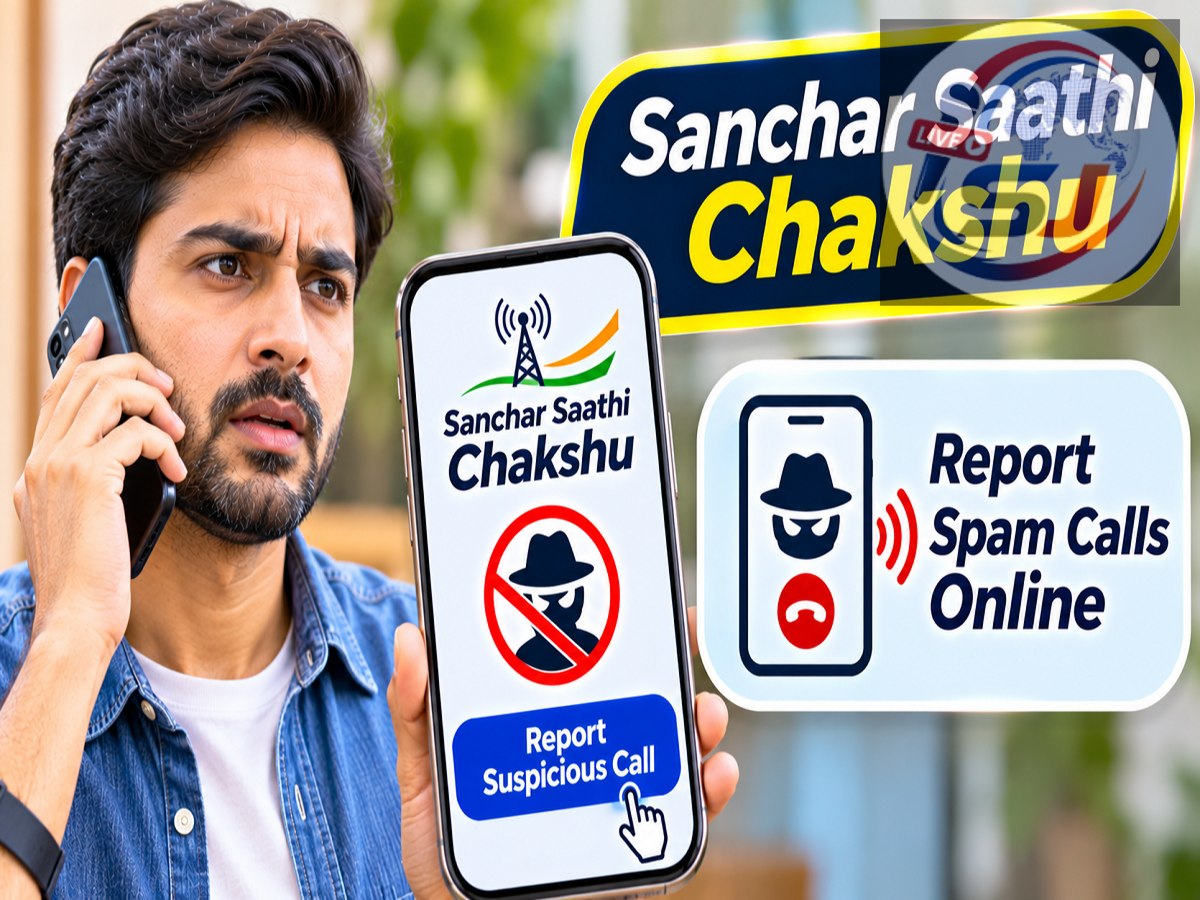
Sanchar Saathi Chakshu 2026: Are you receiving repeated calls from unknown mobile numbers? While some calls may be genuine, others could involve attempts to steal personal information, obtain banking details or trick people into transferring money. The Department of Telecommunications (DoT) has urged mobile users to remain alert and report suspected fraudulent calls through the Chakshu facility available on the Sanchar Saathi portal.
In its latest cyber awareness message, the department has emphasised that public awareness and timely reporting can help protect people from digital fraud.
The Chakshu facility allows citizens to report suspected fraudulent communications received through supported telecom channels.
However, receiving a call from an unfamiliar number does not automatically mean that the caller is a fraudster. Users should look for suspicious behaviour, misleading claims or attempts to obtain confidential information before submitting a fraud-related report.
Sanchar Saathi Chakshu 2026: Key Highlights
| Particulars |
Details |
|---|---|
| Government Department |
Department of Telecommunications |
| Online Platform |
Sanchar Saathi |
| Reporting Facility |
Chakshu |
| Main Purpose |
Reporting suspected fraudulent communications |
| Eligible Reports |
Supported suspicious calls and messages |
| Official Website |
|
| Financial Cybercrime Helpline |
1930 |
| Cybercrime Reporting Portal |
What Is Sanchar Saathi Chakshu?
Chakshu is a citizen reporting facility available through the Government of India's Sanchar Saathi platform.
It allows mobile users to report communications suspected of being connected to fraud.
Such communications may involve callers impersonating government officials, bank representatives, telecom employees or other trusted individuals.
Fraudsters may also send deceptive messages containing suspicious links or requests for personal information.
By submitting reports through Chakshu, citizens can help bring potentially fraudulent communication activities to the attention of the relevant authorities.
The facility is intended to support the identification and examination of suspicious telecom-related activity.
However, submitting a report does not guarantee immediate blocking of a number or establish that the reported caller has committed fraud.
Why Should You Be Careful About Repeated Unknown Calls?
Repeated calls from unfamiliar numbers can sometimes be harmless. They may come from delivery agents, businesses, service providers or people trying to contact the wrong person.
However, certain calling patterns and requests should raise concerns.
For example, a caller may claim that your SIM card will be blocked unless you immediately share an OTP.
Another caller may pretend to represent a bank and request your account details.
Some fraudsters impersonate police officers or government officials to create fear and pressure people into making payments.
Others may offer fake prizes, investment opportunities or refunds.
The key warning sign is not simply that the number is unknown, but that the caller is attempting to deceive, threaten or manipulate the recipient.
Common Types of Suspicious Calls You Should Watch For
1. Fake Bank Customer Care Calls
Fraudsters may pretend to represent a bank and claim that your account requires urgent verification.
They may ask for OTPs, card details or banking passwords.
Never disclose sensitive financial credentials over an unsolicited call.
2. SIM Card Blocking Threats
A caller may claim that your mobile number will be disconnected unless you complete immediate verification.
The fraudster may then ask you to visit a suspicious website or share personal information.
Verify such claims through your telecom operator's official customer support channels.
3. Fake Government Official Calls
Some criminals impersonate government employees or law enforcement personnel.
They may threaten legal action or demand payment to resolve a fabricated issue.
Do not transfer money based on threats made during an unverified telephone call.
4. Fake Prize and Lottery Calls
Fraudsters may claim that you have won a prize and must pay a processing fee to receive it.
Unexpected prize offers that require advance payment should be treated with caution.
5. Fraudulent Investment Calls
Unknown callers may promise guaranteed returns or urge people to invest immediately.
Always verify the identity and regulatory status of a financial service provider before investing.
How to Report Suspicious Calls on Sanchar Saathi Chakshu
The Department of Telecommunications encourages citizens to report suspected fraudulent communications through the official platform.
Follow these general steps:
-
Open the official Sanchar Saathi website.
-
Find the Chakshu reporting facility.
-
Select the relevant category of suspected fraudulent communication.
-
Enter the suspicious mobile number and other requested details.
-
Provide information about the call or message.
-
Upload supporting evidence, if available and requested.
-
Complete the required verification process.
-
Submit the report and save any acknowledgement or reference number provided.
The exact reporting form and available categories may change as the portal is updated.
Users should provide accurate information and avoid submitting complaints based solely on the fact that a number is unfamiliar.
What Information Should You Keep Ready Before Reporting?
Providing relevant details can help authorities understand the nature of a suspicious communication.
| Information |
Why It May Be Useful |
|---|---|
| Suspicious Phone Number |
Identifies the reported communication source |
| Date and Time |
Helps establish when the incident occurred |
| Type of Fraud Attempt |
Explains the suspected activity |
| Call or Message Details |
Provides context |
| Screenshots, if available |
Supports the report |
| Contact Information |
May be required for verification |
Users should follow the reporting form's instructions and share information only through the official government platform.
What If You Have Already Lost Money?
Chakshu is intended for reporting suspected fraudulent communications. It is not a substitute for reporting an actual financial cybercrime.
If you have already transferred money to a fraudster, immediate action is important.
Contact your bank or payment service provider and report the fraudulent transaction.
You should also call the national cybercrime helpline 1930 as quickly as possible.
A formal complaint can be submitted through the National Cyber Crime Reporting Portal.
Keep transaction IDs, payment receipts, phone numbers, messages and other relevant evidence available.
Prompt reporting may improve the possibility of intervention, although recovery of lost money cannot be guaranteed.
Sanchar Saathi vs Cybercrime Portal: Which One Should You Use?
| Situation |
Appropriate Channel |
|---|---|
| Suspicious call attempting fraud |
Sanchar Saathi – Chakshu |
| Suspected fraudulent SMS or supported communication |
Sanchar Saathi – Chakshu |
| Money lost in an online scam |
1930 and cybercrime.gov.in |
| Fraudulent UPI transaction |
Bank, 1930 and cybercrime.gov.in |
| Repeated ordinary marketing calls |
Applicable spam or unsolicited commercial communication complaint channel |
| Threatening or harassing calls |
Police or appropriate legal reporting channel |
This distinction is important because not every unwanted call falls within the same complaint category.
How to Protect Yourself From Unknown Caller Scams
Mobile users should adopt basic precautions to reduce the risk of fraud.
-
Do not share OTPs, UPI PINs, banking passwords or ATM PINs.
-
Avoid clicking unfamiliar links sent through SMS or messaging applications.
-
Verify the identity of callers claiming to represent banks or government departments.
-
Do not install screen-sharing applications at the request of unknown callers.
-
Be cautious of threats involving immediate account suspension or legal action.
-
Never transfer money solely because a caller creates urgency.
-
Block suspicious numbers where appropriate.
-
Report suspected fraudulent communications through official channels.
Can Reporting Suspicious Calls Help Prevent Fraud?
Citizen reporting can provide useful information about suspected fraudulent communication activity.
When multiple people report suspicious behaviour, the information may help authorities identify patterns that warrant examination.
Reporting also encourages greater awareness of common fraud methods.
However, a report is not proof that the caller is guilty of wrongdoing.
Authorities must assess the information according to the applicable procedures.
Users should therefore submit factual details rather than assumptions.
Why Digital Awareness Matters in 2026
As mobile phones become central to banking, shopping, communication and government services, cybercriminals continue to develop new methods of deception.
Fraud attempts may involve fake customer care representatives, impersonation, misleading payment requests or threatening calls.
Some criminals also use advanced technologies to make their communications appear more convincing.
The Department of Telecommunications' awareness message highlights the importance of recognising suspicious behaviour and taking appropriate action.
Knowing when and where to report a suspected scam can help individuals respond more effectively.
Conclusion
The Department of Telecommunications has encouraged citizens to remain vigilant when receiving suspicious calls from unknown numbers.
Through the Chakshu facility on Sanchar Saathi, mobile users can report suspected fraudulent communications and contribute to efforts aimed at improving telecom security.
However, an unfamiliar number alone is not evidence of fraud. Users should assess the caller's behaviour, verify suspicious claims and protect their personal information.
If you receive a call asking for OTPs, banking credentials or urgent payments, do not comply without independent verification. Report suspected fraudulent communications through Sanchar Saathi.
If you have already suffered financial fraud, contact your bank and report the incident through 1930 or cybercrime.gov.in immediately.
Source Credit: Department of Telecommunications, Government of India — Sanchar Saathi Chakshu cyber awareness message. Official references: Sanchar Saathi Portal and National Cyber Crime Reporting Portal.