
QR Code Scam in Delhi: Woman's iPhone Reportedly Locked After Scanning Fake Trade Fair Ticket Code
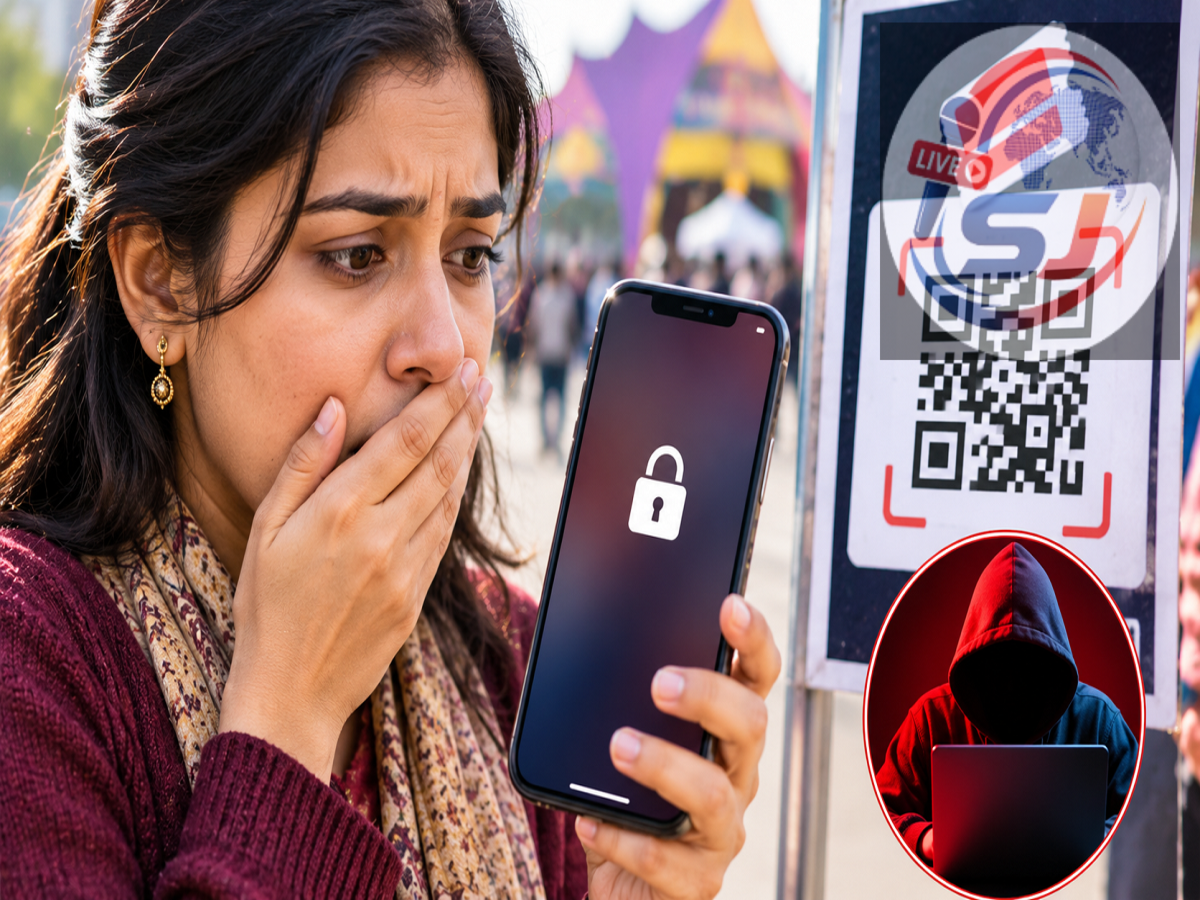
QR Code Fraud Alert 2026: A reported cyber fraud incident in Delhi has raised fresh concerns about the risks of scanning unknown QR codes while purchasing tickets online. According to a report published by Aaj Tak on November 17, 2026, a woman allegedly encountered a serious security problem with her iPhone after scanning a QR code while trying to purchase discounted tickets for a trade fair in the national capital.
The incident has attracted attention because iPhones are generally considered difficult to compromise through conventional malware attacks. However, cybersecurity specialists have repeatedly warned that even devices with strong security features can become vulnerable when users are tricked into visiting fraudulent websites, sharing sensitive information or approving suspicious requests.
The reported case highlights how cybercriminals may exploit attractive offers and digital payment systems to deceive unsuspecting users.
Delhi Trade Fair QR Code Scam: What Happened?
According to the report, the woman was reportedly looking for affordable tickets to attend a trade fair in Delhi. During the process, she came across a QR code associated with a discounted ticket offer.
She scanned the code using her iPhone, expecting to access ticket-related information or complete the booking process.
However, the situation allegedly changed after the QR code was scanned. The woman reportedly experienced problems accessing her device, raising concerns about a possible cyberattack.
The incident was described as an iPhone hacking case, although the limited information available does not establish the exact technical method used by the suspected fraudsters.
It is important to understand that scanning a QR code does not automatically mean a smartphone has been hacked. In many QR code scams, the code directs users to a fraudulent website where additional actions may compromise their accounts or devices.
Why Are Fraudsters Using QR Codes to Target Smartphone Users?
QR codes have become a common part of everyday digital transactions. They are widely used for payments, restaurant menus, event registrations, public transport tickets and online shopping.
Their convenience has also made them attractive to cybercriminals.
Unlike a conventional website link, the destination of a QR code may not be immediately visible to the person scanning it. This allows scammers to disguise suspicious websites behind seemingly legitimate codes.
For example, a fraudulent QR code may redirect users to a fake ticket-booking portal designed to resemble an official event website.
Once users reach such a page, they may be encouraged to enter personal details, make payments, download applications or approve security-related prompts.
These actions can expose sensitive information or create opportunities for account compromise.
Can an iPhone Really Be Hacked Through a QR Code?
Apple's iOS operating system includes several security protections, including application sandboxing, permission controls and restrictions on software installation.
These measures make many conventional attacks more difficult, but they do not provide complete protection against online fraud.
A QR code itself generally contains information such as a website address. Simply scanning an ordinary QR code is not normally sufficient to take control of an updated iPhone.
The danger often arises when users follow the embedded link and interact with malicious content.
Cybercriminals may attempt to steal Apple Account credentials, obtain verification codes, trick users into installing configuration profiles or persuade them to approve device-management settings.
In more sophisticated attacks, software vulnerabilities may also be exploited, although such attacks require specific technical conditions.
Therefore, the Delhi incident should not be interpreted as proof that every QR code can directly hack an iPhone.
Fake Discounted Tickets: A Common Cyber Fraud Technique
Fraudsters frequently use attractive offers to encourage quick decisions.
Discounted tickets for exhibitions, concerts, sporting events and popular tourist attractions can be particularly effective because buyers may worry about missing a limited-time opportunity.
A fake booking page may advertise unusually low prices or claim that only a few tickets remain.
Such messages can pressure users into completing transactions without checking whether the website is genuine.
Scammers may also circulate fraudulent booking links through social media platforms, messaging applications and online advertisements.
In some cases, victims are redirected to payment pages that imitate legitimate services. In others, attackers seek personal information rather than immediate payment.
How to Identify a Suspicious QR Code
Before scanning a QR code, users should consider whether it comes from a reliable source.
A code displayed on an unknown poster, shared through an unsolicited message or advertised alongside an unusually cheap offer deserves additional scrutiny.
Smartphone users should also inspect the website address shown after scanning the code.
Fraudulent websites sometimes use domain names that closely resemble those of genuine companies or government organisations.
Small spelling differences, unusual domain extensions and unnecessary requests for sensitive information can indicate potential fraud.
A professional-looking website is not necessarily trustworthy, as criminals can imitate the appearance of legitimate booking portals.
Important Safety Tips to Avoid QR Code Fraud
Following a few precautions can significantly reduce exposure to QR code scams.
1. Use official booking platforms: Purchase event tickets through authorised websites, applications or recognised ticket counters.
2. Verify the destination link: Check the website address before opening a link generated by a QR code.
3. Avoid unknown installation requests: Do not install unfamiliar applications, configuration profiles or device-management certificates.
4. Protect your Apple Account: Never disclose passwords, recovery information or verification codes to unknown websites.
5. Be cautious about unusually cheap offers: Compare advertised ticket prices with those listed by the official event organiser.
6. Keep your smartphone updated: Install available security updates to reduce exposure to known software vulnerabilities.
7. Review payment requests carefully: Confirm the merchant's identity and payment amount before authorising a transaction.
8. Avoid sharing sensitive information: A routine ticket purchase should not require access to unrelated personal accounts or security settings.
What Should You Do If Your iPhone Gets Locked After Scanning a QR Code?
If an iPhone becomes inaccessible after interacting with an unknown QR code, the first priority should be protecting personal accounts and financial information.
Users should avoid following instructions from suspicious messages demanding payment to unlock the device.
If the Apple Account may have been compromised, the password should be changed using a trusted device and Apple's official account recovery services.
It is also advisable to review trusted devices, account recovery settings and recent security notifications.
Anyone who suspects that a malicious configuration profile has been installed should inspect the VPN and Device Management section in iPhone settings, where applicable.
If banking information has been exposed, the affected bank or payment service should be contacted immediately.
Users experiencing persistent device-access problems should seek assistance through official Apple Support rather than relying on unknown third-party unlocking services.
How to Report QR Code Cyber Fraud in India
Victims of suspected cyber fraud in India can report incidents through the government's official cybercrime reporting system.
The National Cyber Crime Reporting Portal is available at cybercrime.gov.in.
For suspected financial cyber fraud, victims can also contact the national cybercrime helpline at 1930.
Reporting quickly is particularly important when money has been transferred or banking credentials may have been compromised.
Victims should preserve screenshots, transaction details, suspicious website addresses and relevant messages wherever possible.
These records may assist investigators in examining the incident.
Why This Incident Matters for Digital Payment Users
The reported Delhi case demonstrates how an everyday activity, such as buying an event ticket, can become an opportunity for cybercriminals.
QR codes are convenient, but users should remember that their safety depends partly on the destination and the actions requested after scanning.
Whether someone uses an iPhone or an Android smartphone, strong device security cannot completely prevent phishing, impersonation or social-engineering attacks.
As digital ticketing and cashless transactions continue to expand, awareness of these risks becomes increasingly important.
Conclusion
The reported incident involving a Delhi woman and a trade fair ticket QR code has highlighted the importance of caution when dealing with unfamiliar digital offers.
Although the report describes the woman's iPhone as having been compromised, the precise technical cause has not been established in the supplied information.
The main lesson for smartphone users is to verify QR code destinations, avoid suspicious booking platforms and never approve unfamiliar security requests.
A few additional seconds spent checking a website or payment request can help prevent potentially serious financial and digital security problems.
Note: The reported incident is based on the supplied news excerpt. The exact method of compromise and the full circumstances have not been independently verified. General cybersecurity guidance has been included for reader awareness.