
LIC Fraud Alert 2026: Beware of Fake Calls, Messages and Insurance Scams, Know How to Protect Your Money
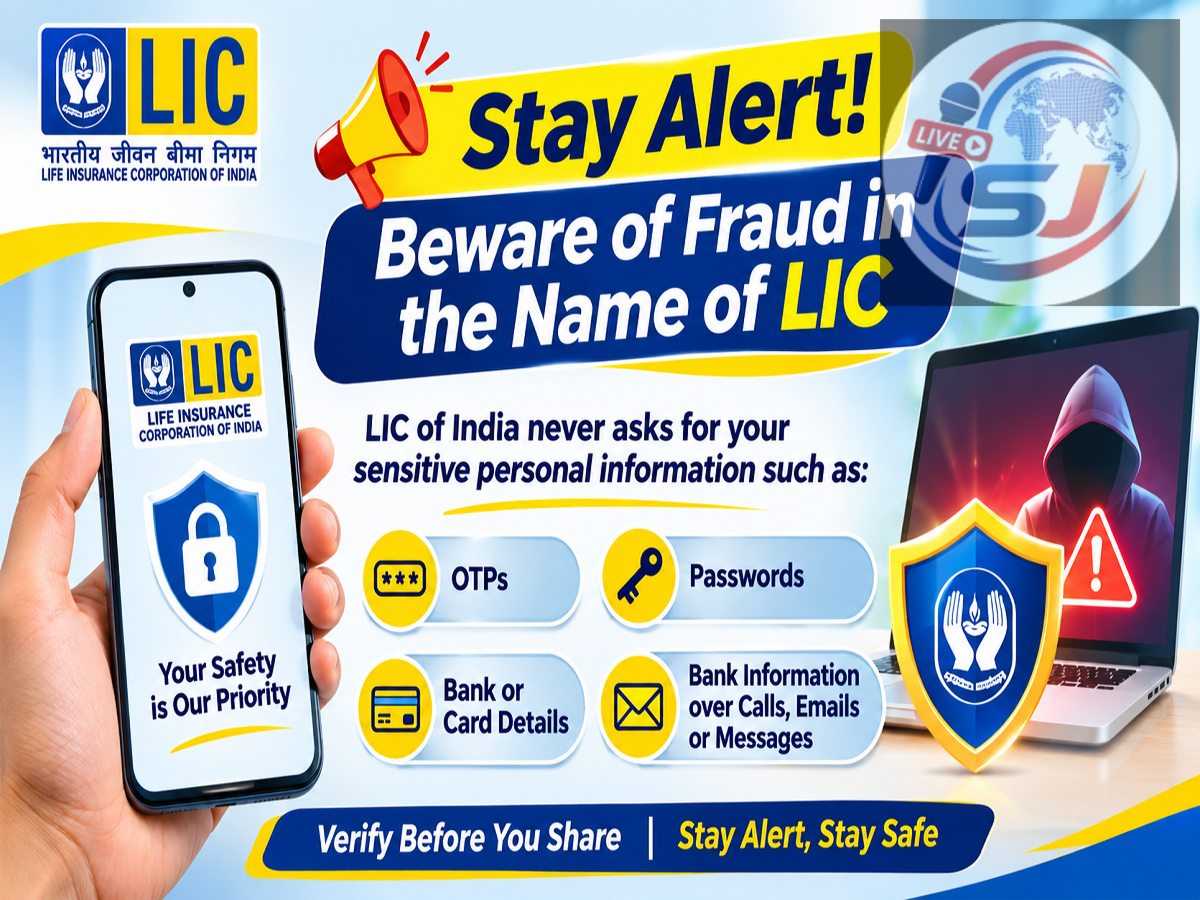
LIC Fraud Alert 2026: Life Insurance Corporation of India (LIC) has reminded customers to remain vigilant against increasingly sophisticated financial scams. In a social media message shared on November 1, 2026, LIC highlighted the importance of caution while dealing with suspicious calls, messages and individuals claiming to represent trusted organisations.
The insurer warned that fraudsters are becoming more sophisticated and that their deceptive methods can be difficult to identify.
LIC's message emphasised that even a brief moment of caution can help people avoid serious financial losses.
The warning is particularly relevant for policyholders who receive unexpected calls about insurance bonuses, premium payments, policy maturity benefits or investment opportunities.
Here is what LIC customers should know about common insurance-related scams, warning signs and the steps they can take to protect their savings.
LIC Issues Important Warning Against Financial Fraud
LIC shared the awareness message through its official social media account, @LICIndiaForever.
The communication encouraged customers to stay alert as scammers adopt increasingly convincing methods.
The insurer's message focuses on the importance of recognising suspicious activity before sharing personal information or transferring money.
Although the latest post does not identify a particular new fraud scheme, it serves as a general reminder about financial security.
Insurance policyholders should be especially careful when receiving unsolicited communications involving money, policy information or personal identification details.
Fake LIC Calls Can Put Policyholders at Risk
One common form of insurance fraud involves individuals pretending to be representatives of an insurance company.
Such callers may claim that a policyholder has an unpaid bonus, a pending maturity benefit or an urgent policy-related issue.
They may attempt to create pressure by suggesting that immediate action is necessary.
In some cases, fraudsters ask customers to transfer money to release a supposed benefit.
Others may request sensitive information under the pretext of updating policy records.
Customers should remember that a caller's claim of association with LIC does not establish that the person is authorised.
Any unexpected request involving money or confidential information should be independently verified.
Beware of Fake Insurance Bonus and Maturity Claims
Fraudsters sometimes attract victims by promising large insurance bonuses or additional returns.
They may claim that a policyholder is entitled to a special payment but must first pay a processing charge, tax or verification fee.
These offers can appear convincing when the caller uses insurance-related terminology.
However, customers should never transfer money solely because an unknown person claims that a bonus or maturity payment is waiting.
Policyholders should verify any such information directly through LIC's authorised customer service channels.
They should also avoid sharing bank details with individuals who contact them unexpectedly.
Fake Premium Payment Links Are Another Risk
Digital payments have made insurance premium transactions more convenient.
However, criminals can exploit this convenience by sending fraudulent payment links.
A suspicious message may claim that a policy is about to lapse unless the customer makes an immediate payment.
It may include a link that resembles an official insurance website.
Such websites can be designed to collect passwords, card details or other financial information.
Before making a premium payment, customers should open LIC's official website directly rather than clicking an unfamiliar link.
The official website is LIC India.
Policyholders should also verify payment details and retain transaction receipts.
Five Warning Signs of an Insurance Scam
Unexpected requests for OTPs or passwords
Legitimate account verification should not require customers to disclose confidential authentication codes to unknown callers.
Pressure to act immediately
Fraudsters may create artificial deadlines to prevent customers from verifying claims.
Advance payments for promised benefits
Requests to deposit money into unfamiliar accounts to release insurance payouts should be treated with suspicion.
Suspicious websites and payment links
Fake pages may imitate genuine insurance portals to steal personal or financial information.
Requests to install unknown applications
Unverified apps may expose sensitive information or allow unauthorised access to a device.
How to Verify Whether an LIC Call Is Genuine
Policyholders should not rely entirely on the phone number displayed during an incoming call.
Fraudsters may use techniques that make a call appear to come from a familiar or trusted source.
If a caller claims to represent LIC, customers should end the conversation and contact the insurer through a verified official channel.
They can use LIC's website to locate authorised branch offices and customer support information.
Customers should also verify policy-related information through their registered account or official service channels.
If the caller asks for money to be transferred to a personal account, the request should be treated as a serious warning sign.
Never Share These Details With Unknown Callers
Customers should protect confidential information such as banking passwords, debit card PINs, UPI PINs and OTPs.
They should also be cautious when sharing Aadhaar, PAN, policy and bank account details.
Although some personal information may be required during legitimate insurance servicing, customers should provide it only through verified and secure processes.
An unsolicited caller should not be trusted merely because they know the customer's name or policy number.
Such information can sometimes be obtained through data leaks, phishing or other fraudulent activities.
What to Do if You Become a Victim of Insurance Fraud
If a customer suspects that money has been stolen through an insurance-related scam, immediate action is important.
The first step is to contact the bank or payment service provider and report the unauthorised transaction.
In India, victims of financial cybercrime can call the national cybercrime helpline 1930.
They can also submit a complaint through the National Cyber Crime Reporting Portal.
Customers should preserve relevant evidence, including messages, transaction references, screenshots and phone numbers.
They should also inform LIC if someone has misused the insurer's name or impersonated its representatives.
Reporting quickly may improve the chances of restricting further fraudulent activity, although recovery of lost funds is not guaranteed.
How Can Senior Citizens Stay Safe From LIC Scams?
Senior citizens and retired individuals may receive insurance-related communications concerning maturity proceeds, pensions or policy benefits.
They should be particularly cautious about unexpected offers promising additional returns.
Family members can help by encouraging independent verification before any payment or disclosure of confidential information.
Customers should never feel pressured to make an immediate financial decision during an unsolicited call.
If an offer appears unusually attractive or the caller refuses to provide verifiable details, it is safer to end the conversation and contact LIC directly.
Does LIC Charge Money to Release Bonuses Through Unknown Agents?
Customers should not assume that a request for an advance payment is genuine simply because the caller claims that it relates to an insurance bonus.
Legitimate policy payments and servicing requirements should be verified through LIC's official systems.
Any applicable charges or documentation requirements must be confirmed directly with the insurer.
Customers should avoid transferring money to personal bank accounts or unfamiliar payment addresses based on telephone instructions.
LIC's Message Highlights the Importance of Financial Awareness
Financial fraud prevention depends on both secure systems and informed customers.
Even experienced internet users can be targeted by convincing scams.
Fraudsters may use professional language, copied logos and urgent messages to create an appearance of authenticity.
LIC's latest awareness communication encourages customers to recognise these risks and take time to verify unexpected requests.
A few minutes spent checking information through an official source can help prevent significant financial losses.
Final Words
LIC's November 1, 2026 fraud awareness message reminds policyholders that financial scammers are adopting increasingly sophisticated methods.
Customers should remain cautious about fake insurance calls, suspicious payment links, bonus promises and requests for confidential information.
The safest approach is to verify policy-related communication through LIC's official website or authorised customer service channels.
Anyone who suspects financial cybercrime should immediately contact their bank and report the incident through 1930 or the national cybercrime reporting portal.
Source Credit: Life Insurance Corporation of India, official X account @LICIndiaForever, November 1, 2026. Additional consumer safety reference: National Cyber Crime Reporting Portal, Government of India.