
FASTag-Based Parking Goes Live at Hazrat Nizamuddin Railway Station, Entry and Exit to Get Faster
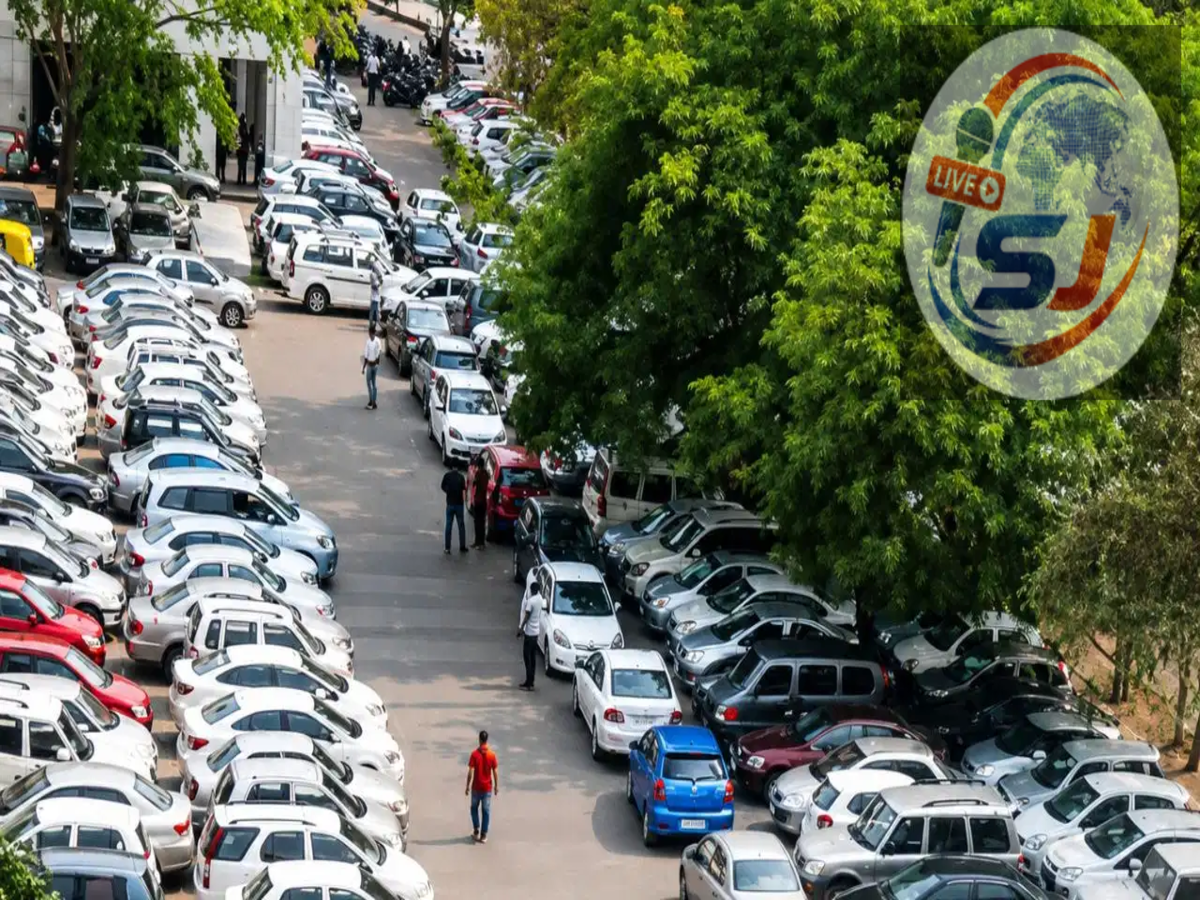
Hazrat Nizamuddin Railway Station Parking: Vehicle movement and parking at Hazrat Nizamuddin Railway Station in Delhi are getting a digital upgrade. A FASTag-based parking and access-control system has been introduced to make vehicle entry and exit faster while reducing dependence on manual processes.
The new arrangement is aimed at improving traffic flow around the busy railway station, making parking operations more organised and bringing greater transparency to vehicle access management.
FASTag to Speed Up Vehicle Entry and Exit
Under the new system, vehicles entering and leaving the parking area at Hazrat Nizamuddin Railway Station can be processed using FASTag-based technology.
The biggest advantage is expected to be quicker processing at entry and exit points. Traditional parking systems can require manual ticketing, cash collection or verification, which may result in queues during busy periods.
Automation can reduce these manual steps and allow vehicles to move through access points more efficiently.
How Will the Digital Parking System Help?
Hazrat Nizamuddin is one of Delhi's major railway stations and witnesses substantial passenger and vehicle movement every day. Cabs, private cars and other vehicles frequently arrive to pick up or drop off passengers.
A technology-based access system can help record vehicle movements digitally and streamline parking operations.
FASTag-based processing is also expected to reduce manual intervention, improve accountability and make the overall parking-management system more transparent.
Similar Digital Push at Railway Stations
The development comes after technology-based parking and access-management initiatives at New Delhi Railway Station.
Digital payment and automated access systems are increasingly being used at major transport hubs to reduce waiting times and simplify transactions.
For passengers, the practical benefit could be a smoother pickup and drop-off experience, particularly during periods when several trains arrive or depart within a short time.
Trained Staff Will Remain Available
The new system does not depend entirely on automation. Trained personnel have also been deployed at the station to assist motorists and passengers when required.
This combination of technology and on-ground staff is intended to ensure that problems with FASTag processing or other parking-related issues can be handled without unnecessarily disrupting vehicle movement.
The objective is to reduce processing time while keeping human assistance available for situations where automated systems alone may not be sufficient.
Focus on Better Traffic Management
Parking congestion can quickly affect roads around a busy railway station, particularly when vehicles spend too much time at access barriers.
Faster entry and exit processing could therefore have benefits beyond the parking area itself.
If implemented effectively, automated access can help reduce queues at gates and improve the circulation of vehicles within the station premises.
However, actual waiting times will still depend on factors such as traffic volume, available parking capacity and conditions outside the station.
Who Is Managing the Parking Operations?
According to the provided information, the parking and access-control contract has been awarded to SNG Securities and Placement, a Delhi-based company involved in security, manpower and integrated services.
The company is reported to have worked with Indian Railways for around seven years and previously handled passenger-related facilities including operations associated with New Delhi Railway Station and cloak-room services at Delhi railway facilities.
The Hazrat Nizamuddin project expands its role into technology-enabled parking and access management.
What Does It Mean for Passengers?
For passengers arriving at Hazrat Nizamuddin Railway Station by car or cab, the biggest expected change is quicker and more organised movement at parking entry and exit points.
Vehicle owners using the facility should ensure that their FASTag is active and has sufficient balance where FASTag-based parking payment is applicable.
Drivers should also check the parking tariff displayed at the station, as FASTag makes the transaction digital but does not necessarily mean that parking itself is free.
The new system represents another step towards automated services at major railway stations, with the focus on reducing manual processing, speeding up vehicle movement and improving the overall passenger experience.