
Passenger files case after train delayed by 9 hours; Railways to pay ₹35,000 compensation.
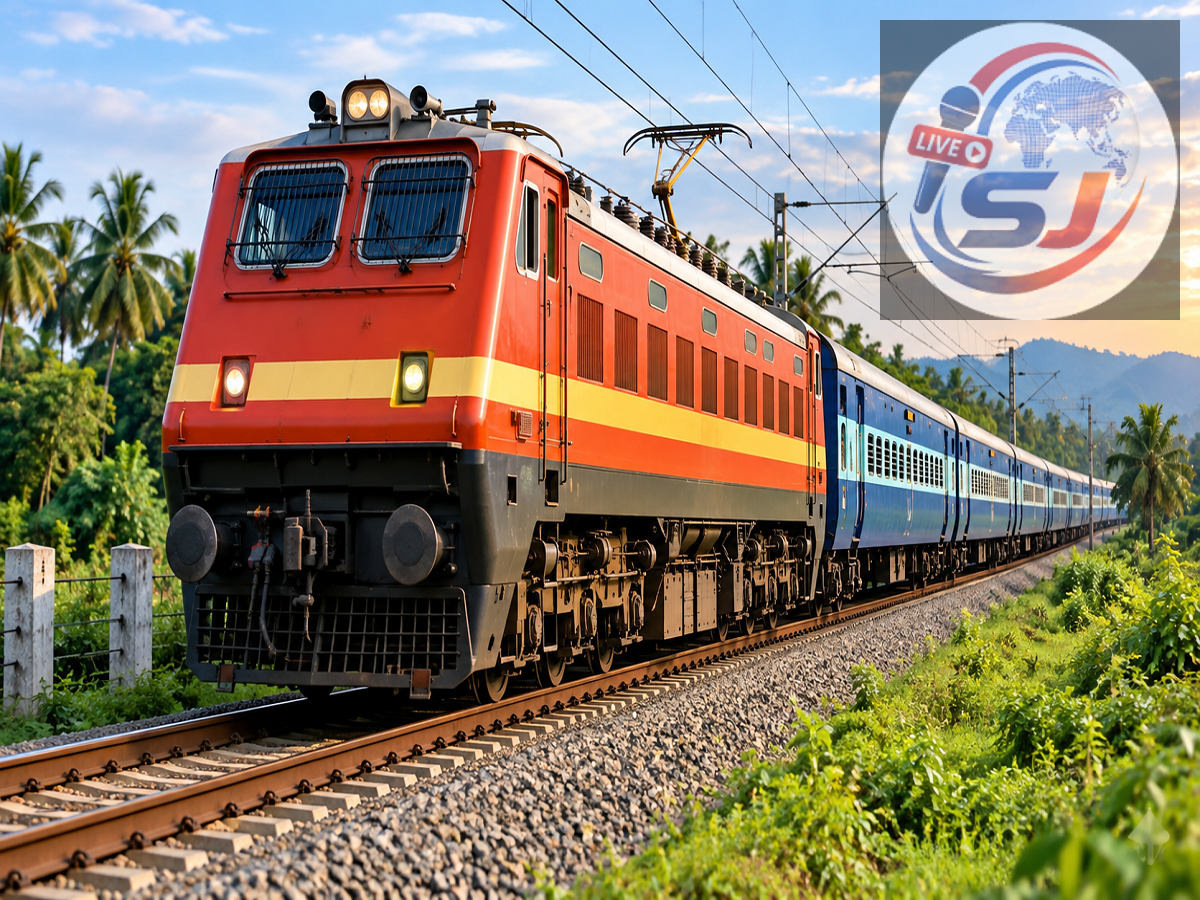
A district consumer commission in Jharkhand has directed railway authorities to pay ₹35,000 to a passenger after his train reached its destination 8 hours and 48 minutes late. The case shows that a passenger can seek compensation when a serious delay causes hardship and the railway cannot establish a sufficient reason for it. It does not create a fixed ₹35,000 payout for every delayed train.
According to reporting on the commission’s order, the award consists of ₹30,000 for the harassment caused and ₹5,000 towards litigation costs. The Seraikella district commission issued its decision on September 2, 2026.
What Happened During the Journey?
The passenger had booked two sleeper class tickets on the Ispat Express for travel from Tatanagar to Sambalpur in September 2024. The train was scheduled to leave Tatanagar at 10:18 a.m. and arrive at Sambalpur at 3:50 p.m. Instead, it reached the destination 528 minutes behind schedule, according to the case records cited in the report.
A delay of that length can disrupt more than the journey itself. It may affect onward travel, appointments and the arrangements a passenger has made on the basis of the published timetable. In this case, the passenger said he had suffered physical, mental and financial harassment. He sent a legal notice to railway officials and subsequently filed a consumer complaint seeking ₹4.5 lakh in damages.
The amount he requested and the amount awarded were very different. After considering the dispute, the commission awarded ₹35,000 in total. That distinction is useful for anyone reading the headline: the passenger did not receive the full amount he claimed.
What Did the Railways Argue?
The railway authorities contested the complaint. They argued that the passenger had not produced substantial evidence of a specific financial loss from the delay. They also questioned whether the consumer commission could hear the case, arguing that it belonged before the Railway Claims Tribunal.
The commission rejected the jurisdiction objection. It also found that the railways had failed to establish that the prolonged delay was caused by circumstances beyond their control. On the evidence before it, the commission concluded that the passenger had suffered harassment because of the late-running train and was entitled to compensation for a deficiency in service, as reported by The Indian Express.
The order directed payment within 45 days. It also provided for 12% annual interest from the date of the order until payment if the amount was not paid within that period. The publicly reported result is a direction to pay; readers should not assume from the headline alone that the passenger has already received the money.
Does Every Long Train Delay Qualify for Compensation?
No. The ruling concerns the facts and evidence in this particular complaint. A train running late does not automatically entitle each passenger to ₹35,000, and the award is not a new standard rate based on the number of hours delayed.
A complaint would need to explain what happened, how the passenger was affected and why compensation is sought. The railway’s explanation and the available records would also matter. The Jharkhand commission reached its decision after examining the passenger’s case and the objections raised by the railways.
What Can Passengers Do After a Serious Delay?
Passengers who face a substantial delay should keep their ticket or booking confirmation, note the scheduled and actual arrival times, and retain records of any disruption or expense they intend to raise. If they make a complaint, they should preserve its reference number and any response received.
This case illustrates that passengers can pursue a consumer complaint over a significant service failure. It also shows why accurate records matter: the outcome depends on the circumstances presented to the commission, rather than the delay alone.