
Iran Rejects US Pressure Over Strait of Hormuz as Explosions Rock Southern Military Zones
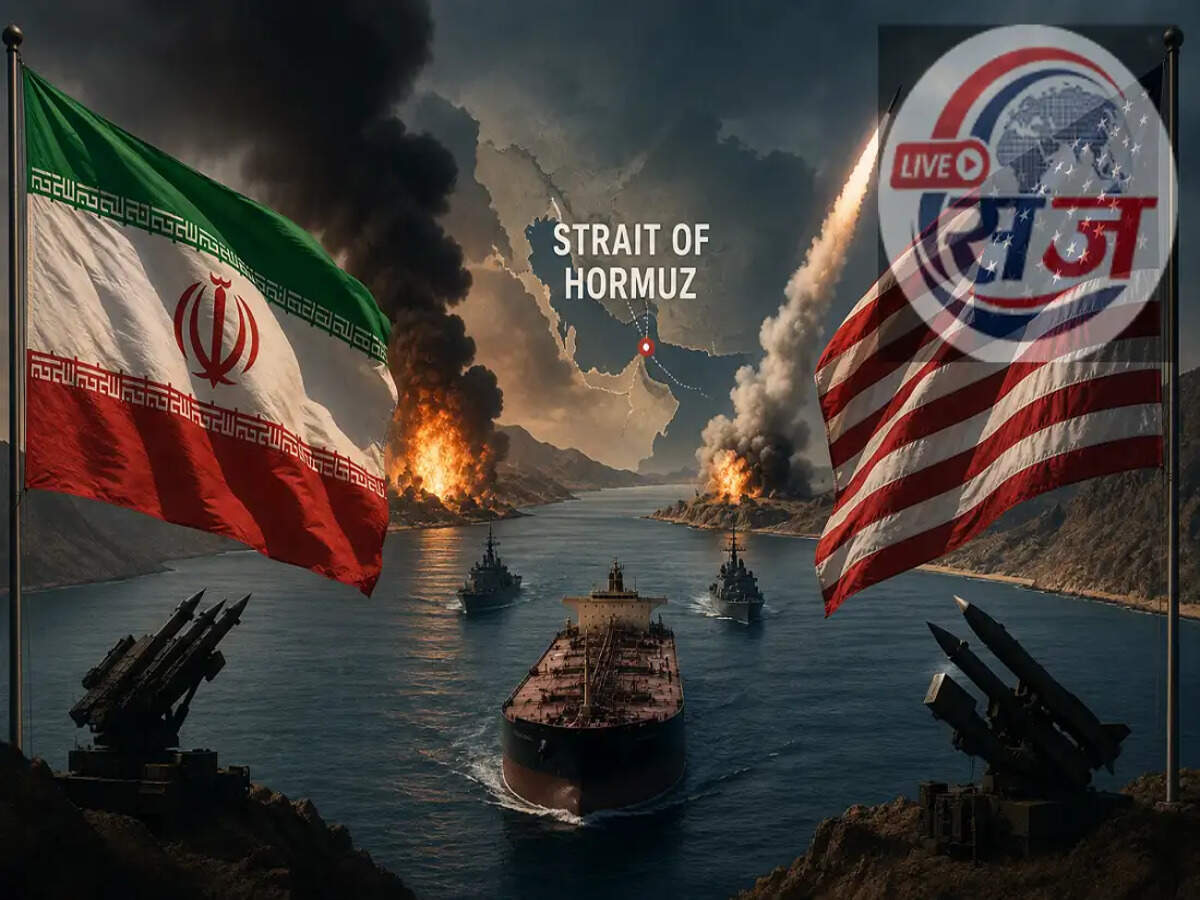
Tensions between Iran and the United States have escalated further after explosions were reported near Iran's southern cities of Bushehr and Bandar Abbas, while Tehran issued a strong warning over the future of the strategically important Strait of Hormuz. The latest developments come amid renewed military exchanges and growing concerns over global energy supplies and regional security.
Iranian officials said the country would not allow external military pressure to determine access to the Strait of Hormuz, one of the world's busiest oil shipping routes. The comments followed recent announcements by U.S. President Donald Trump regarding new measures affecting maritime traffic through the waterway. (The Guardian)
Explosions Reported Near Bushehr and Bandar Abbas
Iranian state media reported multiple explosions in southern Iran on Tuesday. According to official reports, several locations in Bushehr province were struck during the latest round of military operations. Separately, residents near the port city of Bandar Abbas reported hearing a series of powerful blasts.
Bushehr is home to significant energy infrastructure, including Iran's civilian nuclear power facilities, making the region strategically important. Bandar Abbas, meanwhile, serves as one of Iran's key naval and commercial ports overlooking the Strait of Hormuz.
Iran Says Strait Will Not Open Under Military Pressure
Responding to the latest developments, Iranian military spokesperson Brigadier General Mohammad Akraminia said the Strait of Hormuz would not be opened through what he described as war, military threats, or foreign pressure. He stated that Iran's armed forces would continue to defend the country's position in the strategic waterway and insisted that respect for Iran's national rights was essential for any lasting solution.
The statement reflects Tehran's continued opposition to outside involvement in one of the world's most important maritime trade routes, through which a significant share of global crude oil exports passes.
US Tightens Maritime Measures
The latest escalation follows President Donald Trump's announcement that the United States would reinstate a blockade targeting Iranian shipping and introduce charges for vessels using the Strait of Hormuz under U.S. protection. Washington says the move is aimed at ensuring freedom of navigation after recent attacks on commercial shipping in the region.
The announcement marks another sharp increase in tensions between the two countries, with both sides accusing each other of destabilizing the Gulf region.
Tanker Attacks Raise International Concern
The security situation in the Strait of Hormuz has worsened following attacks on commercial oil tankers. Authorities in the United Arab Emirates reported that two Emirati-linked vessels were targeted, resulting in casualties, including the death of an Indian crew member and injuries to several others.
The incident has intensified international concerns over the safety of one of the world's most critical shipping corridors.
India Condemns Attack on Commercial Vessels
India has strongly condemned the attacks on merchant ships carrying Indian nationals. The Ministry of External Affairs summoned a senior Iranian diplomat to register its protest and expressed serious concern over the safety of Indian citizens and international shipping operating through the Strait of Hormuz.
Officials reiterated the importance of maintaining secure maritime routes and called for measures to prevent further escalation that could endanger civilian lives and disrupt global trade.
Global Markets Watching Closely
The continuing military confrontation has heightened fears of prolonged disruption to oil supplies and maritime commerce. Analysts warn that any sustained conflict around the Strait of Hormuz could lead to increased energy prices, shipping delays, and broader economic consequences worldwide.
With military operations continuing and diplomatic tensions showing little sign of easing, governments and global markets remain focused on developments in the Gulf, where the risk of further escalation continues to grow.