
Iran Moves Toward Charging Ships in Strait of Hormuz, Parliament Backs Maritime Fee Plan
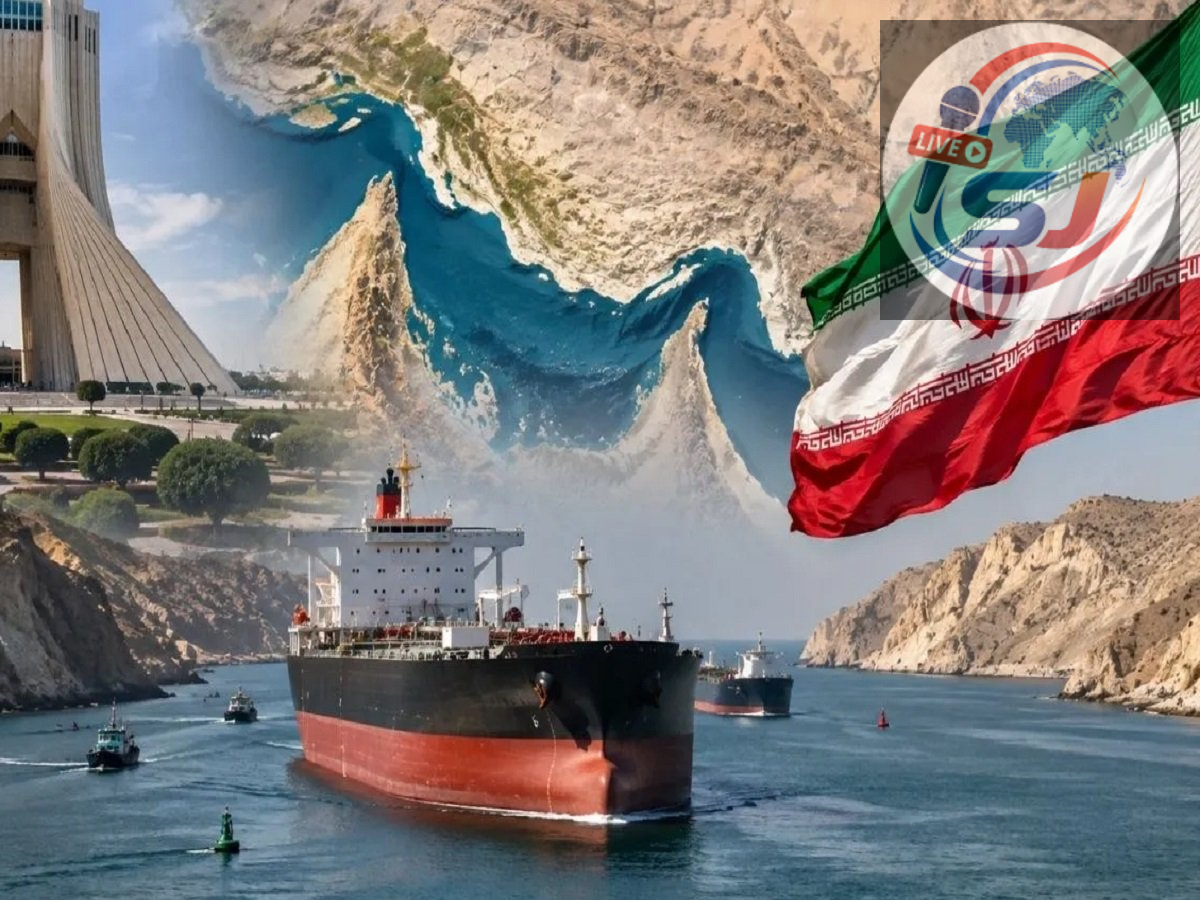
Iran has taken a significant step involving the Strait of Hormuz, one of the world's most strategically important maritime passages, as tensions with the United States continue. According to reports, the Iranian parliament has approved a proposal that would allow fees to be collected from ships permitted to pass through the waterway in return for maritime-related services.
Under the proposed arrangement, eligible vessels using the Strait of Hormuz could be required to make payments for services including maritime security, insurance and other assistance. The move comes against the backdrop of continuing economic pressure on Iran and heightened friction between Tehran and Washington.
The development could attract international attention because the Strait of Hormuz serves as a crucial route for global energy shipments and commercial shipping.
What Has Iran Proposed for Ships Using the Strait of Hormuz?
According to the reported plan, ships belonging to countries permitted to navigate through the Strait of Hormuz could be charged for maritime services provided during their passage.
Hassan Qashqavi, spokesperson for the Iranian parliament's National Security and Foreign Policy Commission, provided details about the proposal.
The fee would reportedly cover a range of facilities and services rather than simply functioning as a charge for passage.
These could include maritime assistance, security-related services and insurance facilities. Environmental services could also be provided, while fuel may be made available under certain circumstances.
The proposed mechanism could therefore be presented by Tehran as payment for services offered to ships travelling through the strategically important route.
Payments Could Be Accepted in Iranian Rial or Another Currency
Another important aspect of the proposal concerns how the charges would be paid.
According to the reported details, payments could be collected in Iranian rial or another currency accepted by Iran.
The ability to receive payments in an alternative currency could be particularly significant given the extensive financial restrictions imposed on Iran and the difficulties Tehran faces in accessing parts of the international banking system.
However, further details regarding the size of the proposed fees, the categories of vessels that would be covered and the mechanism for implementing the system were not specified in the initial report.
Why the Strait of Hormuz Matters to the Global Economy
The Strait of Hormuz has enormous strategic and economic importance because it connects the Persian Gulf with the Gulf of Oman and the Arabian Sea.
A substantial volume of internationally traded oil and liquefied natural gas passes through the waterway, making stability in and around the strait important for energy-importing countries.
Any major change affecting commercial navigation in the region can therefore attract the attention of governments, shipping companies, insurers and global energy markets.
The reported Iranian proposal is likely to be closely watched to determine how it would be implemented and how other countries could respond.
US Continues to Increase Economic Pressure on Iran
The development comes as the United States continues its campaign of economic pressure against Tehran.
US Treasury Secretary Scott Bessent has said that the administration of President Donald Trump intends to intensify economic measures against Iran.
According to Bessent, Washington's objective is to restrict major sources of revenue available to Tehran. He indicated that the US government could use its agencies and available authorities as part of its effort to increase economic pressure.
The Trump administration has portrayed its sanctions strategy as a major component of its approach toward Iran.
Washington has also urged other countries to cooperate with efforts aimed at economically and diplomatically isolating Tehran.
Economic Pressure Remains at the Centre of US-Iran Tensions
Economic restrictions have become one of the most important tools used by Washington in its dealings with Iran.
Measures targeting oil exports, financial transactions and other revenue-generating activities can have significant consequences for the Iranian economy. Tehran, meanwhile, has repeatedly sought alternative methods of conducting international trade and reducing its dependence on financial channels vulnerable to US restrictions.
Against this backdrop, the proposal involving maritime service fees in the Strait of Hormuz could take on greater economic and geopolitical significance.
If implemented, the arrangement could potentially create an additional source of revenue associated with maritime activity in a region where Iran holds considerable strategic influence.
What Happens Next?
Although the Iranian parliament has reportedly backed the proposal, several practical questions remain unanswered.
It will be important to see how the fee system is structured, which ships or countries are covered, how charges are calculated and what services vessels receive in exchange. International reactions will also be closely monitored.
Any implementation affecting navigation through the Strait of Hormuz could have implications beyond Iran and the United States because of the waterway's importance to international trade and energy supplies.
For now, the development adds another dimension to the continuing confrontation between Tehran and Washington, with maritime policy and economic pressure increasingly becoming part of the broader geopolitical contest.