
Inflation Alert October 2026: Prices of 41 Out of 42 Essential Items Rise, Only One Gets Cheaper
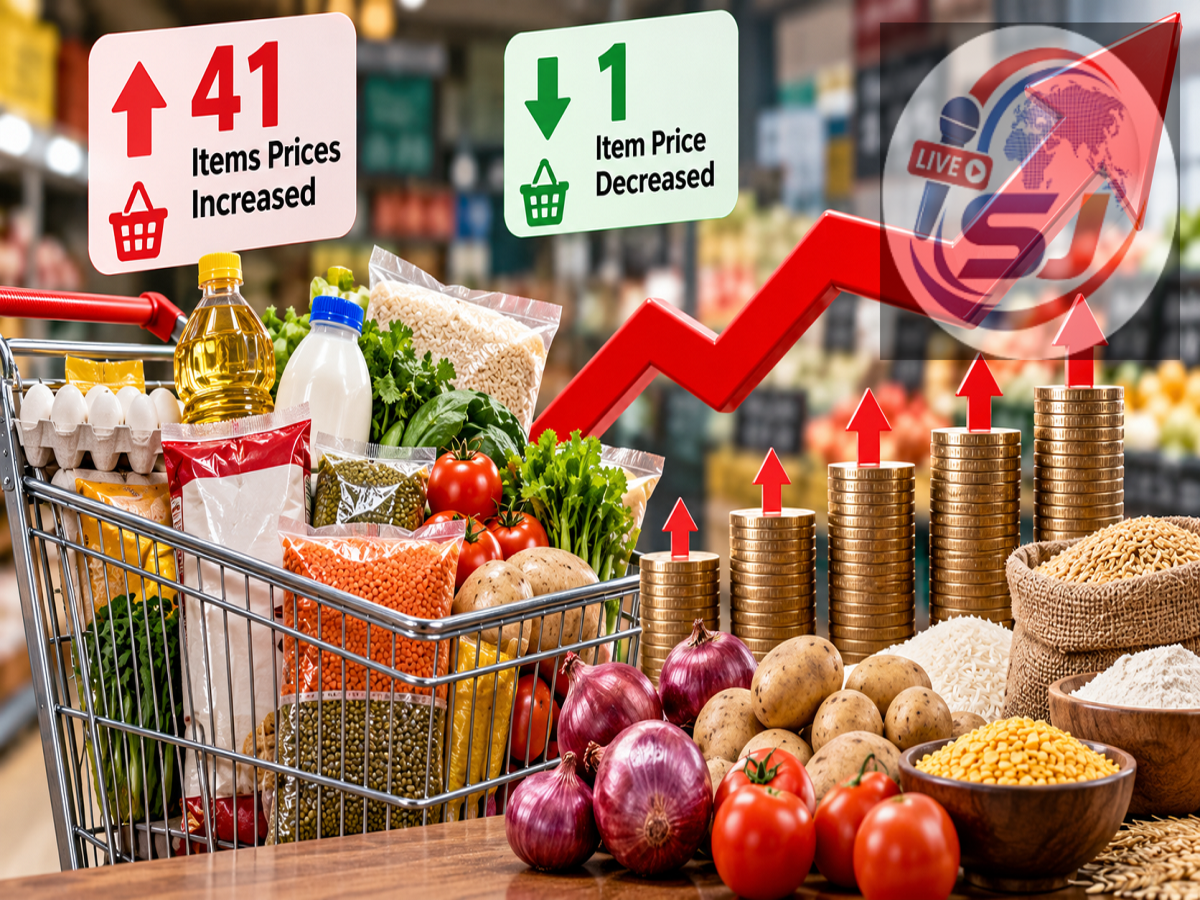
Essential Commodities Price Update: Rising household expenses have become a major concern for Indian consumers as the prices of everyday necessities continue to put pressure on family budgets. According to government price-monitoring data cited in a report dated October 13, 2026, retail prices of 41 out of 42 monitored essential commodities have increased over the past year, while only one item has reportedly become cheaper.
The reported increase covers a broad range of everyday products, highlighting how changes in food prices can affect monthly household spending. Vegetables, cooking ingredients, pulses, edible oils, and other kitchen essentials are particularly important because families purchase them regularly.
The latest figures have also brought renewed attention to retail inflation, especially as consumers prepare for additional spending during the festive season.
Government Data Highlights Rising Prices of Essential Goods
The government monitors the retail prices of essential commodities to understand market conditions and track changes in the cost of everyday necessities.
According to the October 13 report, a comparison of 42 monitored products found that 41 had become more expensive over the preceding 12 months.
This indicates that price increases were widespread across the items included in that comparison.
However, it is important to distinguish between the number of products becoming more expensive and the overall inflation rate.
A rise in 41 commodity prices does not mean that inflation has reached 41%. It means that 41 individual items reportedly recorded higher retail prices compared with the reference period.
The size of the increase can also differ significantly from one product to another.
Some commodities may experience relatively small changes, while others may record sharper price movements because of supply shortages, transportation costs, seasonal demand, or changing agricultural production.
Onion Prices Jump Nearly 113% in One Year
Among the commodities examined, onions recorded the sharpest reported increase.
Government price-monitoring figures cited for October 12, 2026, placed the all-India average retail price of onions at ₹53.37 per kilogram.
This represented an annual increase of approximately 113%, making onions one of the biggest contributors to the rising cost of kitchen essentials in the comparison.
Market participants have estimated that Maharashtra's kharif onion production could decline by around 5% to 7%. However, fresh kharif onions have started reaching markets in some major producing states.
The government indicated on October 7 that increasing arrivals were beginning to create conditions for softer onion prices in certain wholesale markets.
Whether consumers receive meaningful relief will depend on crop availability, transportation, and the volume of fresh produce reaching retail markets.
Pulses Become More Expensive as Tur Dal Reaches ₹129 per Kg
Pulses are another important category experiencing price increases.
Tur dal, widely consumed across Indian households, reportedly increased from approximately ₹113 per kilogram a year earlier to nearly ₹129 per kilogram on October 12.
In four major metropolitan cities, its retail price was reported at around ₹140–₹145 per kilogram.
Chana dal also became more expensive, increasing from approximately ₹85 to ₹91 per kilogram over the same period, a rise of about 6.4%.
For households that regularly consume pulses, even moderate price increases can have a noticeable impact on monthly grocery spending.
Cooking Oil Prices Rise Across Several Categories
Edible oils have also contributed to higher household expenses.
Sunflower oil prices increased by approximately 18% over the year, reaching an average retail price of around ₹191 per litre.
Palm oil and soybean oil recorded increases of approximately 15.2% and 14.6%, respectively.
Mustard oil, another commonly used cooking ingredient, reportedly became more expensive as well. Its average retail price increased from around ₹188 to ₹204 per litre.
Higher edible oil prices can affect not only household cooking expenses but also the cost of prepared foods and other food products.
Rice, Sugar and Tomato Prices Also Increase
The price increases were not limited to onions, pulses, and cooking oils.
Regular rice reportedly became approximately 12% more expensive over the past year, with the average retail price reaching around ₹47 per kilogram.
Sugar prices also recorded a significant annual increase of approximately 22%, with the average retail price exceeding ₹56 per kilogram.
However, sugar became cheaper compared with the previous month, when its average price was approximately ₹59 per kilogram.
Tomato prices increased from around ₹36 per kilogram a year earlier to approximately ₹42 per kilogram on October 12.
Wheat and wheat flour also registered relatively modest price increases during the comparison period.
Which Essential Commodity Became Cheaper?
Potatoes were the only product among the 42 monitored essential commodities reported to have become cheaper over the year.
According to the comparison, potato prices declined by more than 6% on an annual basis.
This provided some relief to consumers, although the reduction in potato prices was outweighed in many household budgets by increases in other frequently purchased products.
Essential Commodity Price Changes: October 2026
| Commodity |
Reported price or annual change |
|---|---|
| Onion |
₹53.37/kg; up approximately 113% |
| Tur dal |
₹129/kg; up from ₹113 |
| Chana dal |
₹91/kg; up approximately 6.4% |
| Sunflower oil |
₹191/litre; up approximately 18% |
| Palm oil |
Up approximately 15.2% |
| Soybean oil |
Up approximately 14.6% |
| Mustard oil |
₹204/litre; up from ₹188 |
| Rice |
₹47/kg; up approximately 12% |
| Sugar |
Above ₹56/kg; up approximately 22% |
| Tomato |
₹42/kg; up from ₹36 |
| Potato |
Down more than 6% |
Figures refer to the reported all-India retail price comparison around October 12, 2026. Prices may vary across cities and markets.
Retail Inflation Reaches 5.54% in September 2026
The widespread rise in essential commodity prices coincided with an increase in India's reported retail inflation rate.
According to the October 13 report, headline retail inflation reached 5.54% in September 2026, while food inflation stood at 7.74%.
The higher food inflation figure highlights the pressure that grocery prices can place on household finances.
Food products account for an important portion of regular spending, particularly among families with limited disposable income.
As a result, increases in the prices of vegetables, pulses, rice, and edible oils may force consumers to adjust their spending on other goods and services.
Will Essential Commodity Prices Fall Before the Festive Season?
Future price movements will depend on several factors, including agricultural production, fresh crop arrivals, weather conditions, and supply-chain availability.
Onion prices may receive some relief as new kharif crops reach wholesale markets. However, the extent of any reduction will depend on actual supply and demand conditions.
Similarly, prices of pulses, edible oils, and grains could fluctuate according to domestic production, imports, and market developments.
Consumers should remember that national average prices may differ considerably from rates in their local markets.
Conclusion
The reported increase in the prices of 41 out of 42 essential commodities highlights the continuing pressure on Indian household budgets in October 2026.
Onions recorded the largest reported annual increase at approximately 113%, while sugar, edible oils, pulses, rice, and tomatoes also became more expensive. Potatoes were the only monitored commodity to register an annual price decline.
With September retail inflation reported at 5.54% and food inflation at 7.74%, households may continue to face higher grocery expenses until market supplies improve.
The coming weeks will be important for consumers, particularly as fresh agricultural produce enters markets and the festive season influences demand.
Note: Commodity prices are based on the reported government price-monitoring comparison for October 12, 2026. Actual retail rates vary by location and date.
Alert me when essential food prices change significantly