IndiGo Flight Tickets to Cost More From October 6
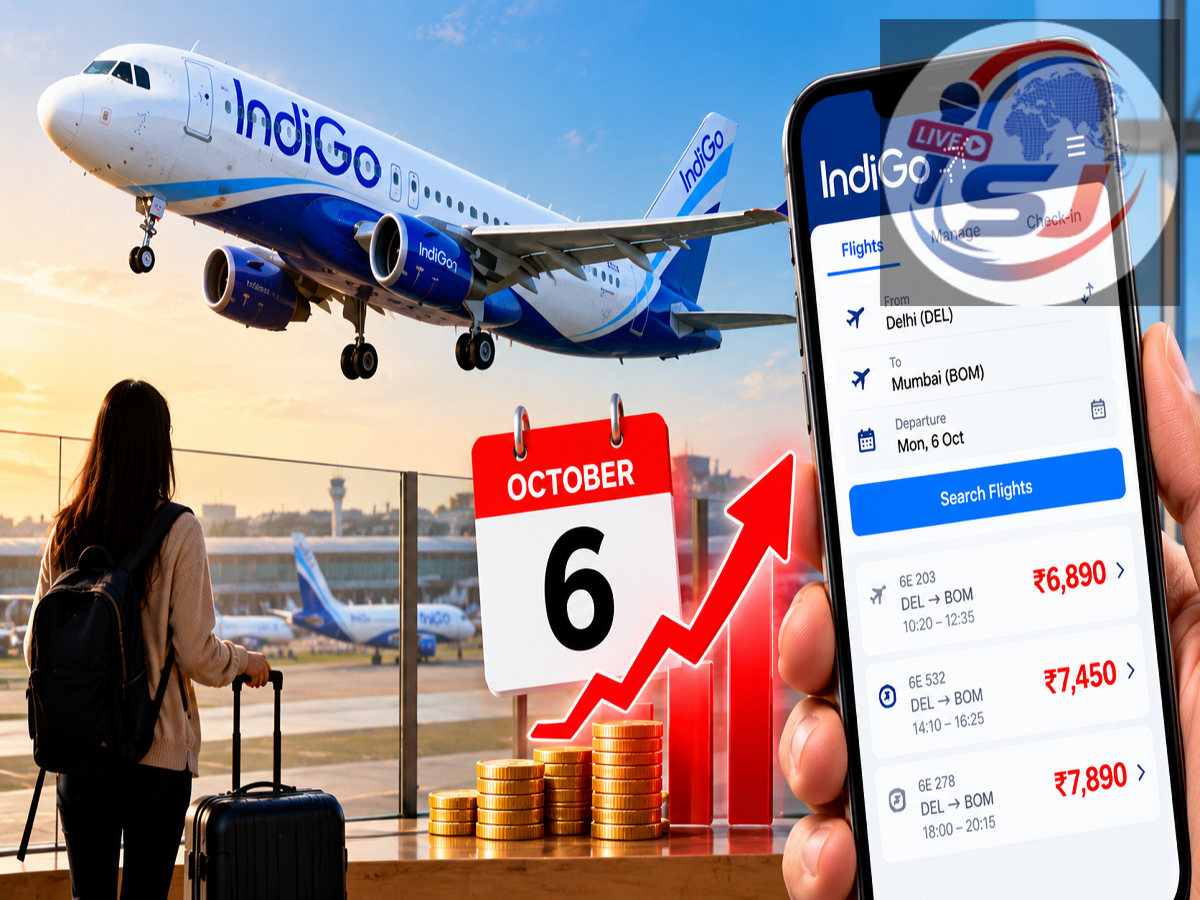
Air travel is set to become more expensive for some passengers from October 6, 2026, after IndiGo announced an increase in its fuel surcharge on domestic and international flights.
The airline announced the revision on Monday, citing rising aviation turbine fuel (ATF) costs. The higher fuel surcharge will apply to applicable IndiGo bookings from October 6.
The development comes ahead of the Diwali and Chhath festive travel period, when demand for flights on several popular routes typically increases.
Passengers planning to travel in the coming weeks should therefore check the complete fare breakup while booking their tickets, as the fuel surcharge is one component that can affect the final amount payable.
IndiGo Raises Fuel Surcharge
IndiGo has decided to revise the fuel surcharge applicable to its flights as the airline faces higher jet-fuel costs.
The revised surcharge will apply to both domestic and international routes, according to the information provided in the report.
The change becomes effective from October 6, 2026.
This does not necessarily mean that the base fare of every IndiGo flight has been increased by the same amount. Instead, the airline is raising the fuel-related surcharge that forms part of the overall ticket price.
The actual amount a passenger pays can still vary considerably depending on the route, travel date, booking time, seat availability and other applicable charges.
Why Has IndiGo Increased the Fuel Surcharge?
Aviation turbine fuel is one of the major operating expenses for airlines.
When jet-fuel prices rise significantly, airlines face higher costs for operating flights. Depending on market conditions, carriers may absorb part of these costs or pass some of them on to passengers through fare adjustments or fuel-related surcharges.
IndiGo's latest move is linked to the increase in aviation fuel costs cited in the report.
Fuel expenses can be particularly important for airlines because even relatively small changes in ATF prices can affect operating costs across thousands of flights.
What Is a Fuel Surcharge?
A fuel surcharge is an additional charge that may be included in the overall airfare to account for higher fuel costs.
It is important to distinguish the surcharge from the basic airfare.
When passengers book a flight, the final ticket price can consist of several components. These may include the base fare, applicable taxes, airport-related charges and other airline charges depending on the booking.
A higher fuel surcharge can therefore increase the final ticket amount even if the underlying base fare remains unchanged.
Passengers should check the complete fare breakup shown on the payment page before completing a booking.
Will Every IndiGo Ticket Become More Expensive?
The fuel surcharge revision can increase the cost of applicable tickets, but it does not mean every ticket on every flight will increase by exactly the same amount.
Airfares are dynamic.
Ticket prices can change according to demand, route, booking date, travel date, remaining seat inventory and fare category.
For example, two passengers travelling on the same route may pay different amounts if they book their tickets at different times.
The fuel surcharge is only one part of this pricing structure.
Therefore, passengers should compare the final ticket price rather than looking only at the base fare.
Domestic and International Flights Covered
According to the supplied report, the revised fuel surcharge will apply to both domestic and international IndiGo flights.
The actual impact on a passenger's ticket can depend on the airline's applicable surcharge structure and the route being booked.
Travellers should check the fare details displayed during the booking process to understand how much they are paying toward each component.
For international flights, the overall fare may also be influenced by factors such as destination-specific charges and currency movements.
Festive Travel Could Keep Airfares in Focus
The timing of the surcharge revision is particularly relevant because the festive travel season is approaching.
Diwali and Chhath are major travel periods in India, with many people flying home or visiting family.
Higher demand can reduce the availability of lower-priced fare buckets on popular routes.
As a result, passengers travelling during peak dates could face a combination of dynamic airfare changes and the revised fuel surcharge.
However, festive demand does not mean every route will necessarily experience the same increase. Prices depend heavily on demand and seat availability on individual flights.
Booking Early May Help Find More Fare Options
Passengers with confirmed travel plans can compare fares across different dates and departure times.
Flights early in the morning, late at night or on less popular travel dates may sometimes have different fares than flights during peak hours, although cheaper prices are never guaranteed.
Using flexible travel dates can also help passengers compare more options.
When comparing flights, it is useful to consider the final payable amount rather than only the headline fare.
Baggage allowances, seat-selection fees, meals, convenience charges and other optional services can also affect the total cost of a journey.
Why Jet Fuel Prices Matter for Airlines
Aircraft consume large quantities of aviation turbine fuel, making fuel costs an important part of airline economics.
A sustained increase in ATF prices can put pressure on operating margins, particularly when airlines cannot fully offset the additional cost through higher fares.
International crude-oil prices, currency movements and domestic taxation can all influence aviation-fuel costs.
For Indian airlines, movements in the rupee can also matter because several aviation-related expenses have exposure to foreign currencies.
These factors make fuel prices an important variable for both airline profitability and passenger fares.
Check Fare Breakup Before Booking
Passengers booking an IndiGo flight from October 6 should carefully review the final fare displayed before making payment.
The headline price shown during the initial flight search may not always represent the final amount after all applicable components and optional services are added.
Travellers should particularly check the base fare, applicable surcharge, taxes and any additional services selected during booking.
It is also advisable to compare the final price across flights rather than assuming that a particular departure will be cheaper.
New Fuel Surcharge Effective October 6
The key change for passengers is that IndiGo's revised fuel surcharge takes effect from October 6, 2026, covering applicable domestic and international flights.
The airline has linked the move to rising aviation turbine fuel costs.
For passengers, the revision means the fuel-related component of applicable bookings can become more expensive. However, the final ticket price will continue to depend on several factors, including route, demand, travel date, booking time and available fare category.
With the festive travel season approaching, passengers planning trips around Diwali and Chhath may want to compare fares and check the complete ticket-price breakup before confirming their bookings.
Note: The fuel surcharge revision described above is based on the information provided in the supplied report. Actual ticket prices and the surcharge applicable to a particular booking may vary by route, date and fare conditions. Passengers should check the final amount displayed by the airline before payment.