
Got Off at the Wrong Railway Station? Know What to Do and Whether You Can Continue Your Journey
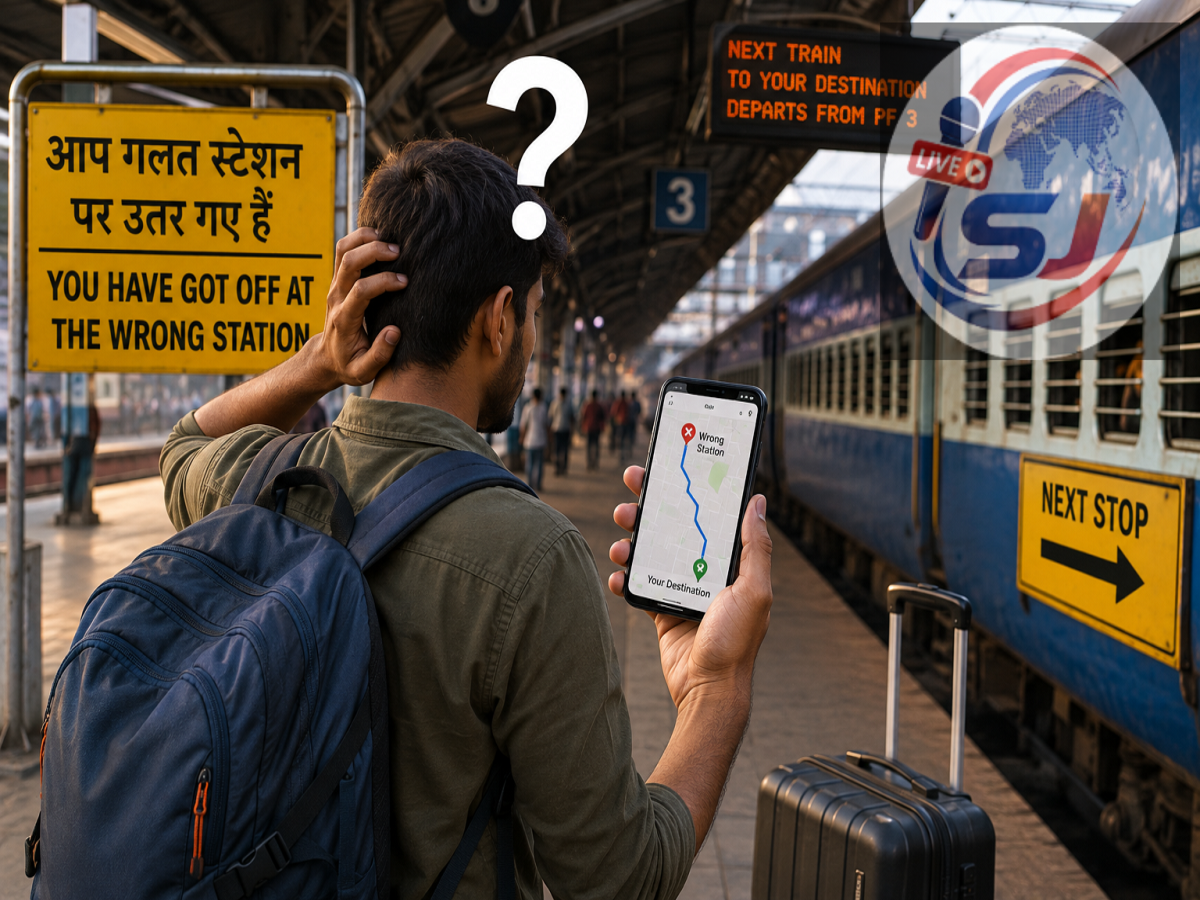
Indian Railways Travel Rules: Accidentally getting off at the wrong station can leave passengers confused about how to reach their actual destination. Instead of boarding another train without permission, passengers should approach railway officials and explain the situation. Here’s what you need to know.
Train journeys can sometimes become confusing, particularly when stations have similar names, trains make short stops or passengers misunderstand an announcement. In such situations, a traveller may accidentally get off the train before or after the station mentioned on the ticket.
If this happens, taking the correct steps immediately is important. Simply boarding another train using the same ticket may create problems during ticket checking, especially if the ticket is not valid for that particular train or section of the journey.
Passengers should therefore contact railway staff at the station and seek guidance before continuing their journey.
What Should You Do After Getting Off at the Wrong Station?
If you realise that you have mistakenly got off at the wrong railway station, the first step should be to contact the Station Master or another authorised railway official as soon as possible.
Explain what happened and show your valid journey ticket. Railway officials can check your ticket, train details, original destination and the circumstances under which you got off.
Based on the situation and applicable railway rules, they can tell you whether you can continue your journey on another train or whether a fresh ticket will be required.
The important point is not to assume that your existing ticket automatically permits travel on any other train.
Can the Station Master Issue a Free Return Journey Pass?
In certain circumstances, railway authorities may provide appropriate written authority or a memo after examining the passenger's case.
This may become relevant where a passenger has been carried beyond the intended station or has ended up at the wrong station because of circumstances recognised by railway authorities.
However, passengers should not treat a free return journey pass or similar authority as an automatic entitlement every time they mistakenly get off at the wrong station.
The decision depends on the circumstances, validity of the original ticket and assessment by the authorised railway official.
What If You Got Off Because of a Wrong Announcement?
The circumstances behind the mistake can matter.
For example, if a passenger gets off because of an incorrect or misleading railway announcement, railway officials may examine the situation differently from a case where the passenger simply misread the station name or voluntarily left the train.
This is another reason why passengers should immediately report the incident at the station instead of trying to resolve it themselves.
If possible, keep your ticket, booking details and other relevant journey information ready when speaking to railway staff.
Can You Take the Next Train?
You should not automatically board the next available train simply because it travels towards your destination.
If the Station Master or another authorised official permits you to continue the journey and provides the necessary authority, memo or other documentation, keep it safely with you.
When you board the permitted train, show your original ticket and any additional document issued by railway officials to the Travelling Ticket Examiner (TTE).
Your permission may be limited to a particular route, train, class or section of the journey.
Why Boarding Another Train Without Permission Can Be Risky
Suppose your original ticket was valid from Station A to Station C, but you accidentally got off at Station B. You may think that the same ticket automatically allows you to board any later train from Station B to Station C.
That may not always be the case.
Different trains can have different reservation requirements, and your original reservation may be linked to a specific train and journey. If you board another train without a valid ticket or appropriate authority, the TTE may treat your travel according to the applicable ticketing rules.
This could result in additional fare or other applicable charges.
You May Have to Buy a New Ticket
Not every case of getting off at the wrong station will qualify for free onward or return travel.
After examining your ticket and circumstances, railway officials may advise you to purchase a fresh ticket for the remaining journey.
If that happens, buying the required ticket before boarding the next train is the safer option.
Passengers should therefore avoid arguments based solely on the fact that they already paid for their original journey. Whether that ticket remains usable depends on the specific circumstances and applicable railway rules.
Keep These Things in Mind
If you accidentally get off at the wrong station, remember these basic precautions:
-
Contact the Station Master or authorised railway staff immediately.
-
Keep your original ticket or e-ticket details ready.
-
Clearly explain how you ended up at the wrong station.
-
Ask whether any written travel authority or memo can be issued.
-
Do not board another reserved train without confirming that you are permitted to travel.
-
Show any document issued by the station authorities to the TTE.
-
If officials ask you to purchase another ticket, do so before continuing the journey.
Don't Assume a Free Pass Is Guaranteed
The most important thing passengers should understand is that getting off at the wrong station does not automatically guarantee a free return or onward journey.
Railway officials may consider the original ticket, reason for the mistake, route and other circumstances before deciding what assistance can be provided.
Therefore, if you find yourself at the wrong station, approaching authorised railway staff is safer than boarding another train on your own.
Disclaimer: Railway procedures can vary depending on the ticket, train and circumstances of the incident. Passengers should follow the instructions given by authorised railway officials at the station.