
Festival Train Tickets Sold Out? Try Split Booking, Special Trains and Tatkal for a Confirmed Seat
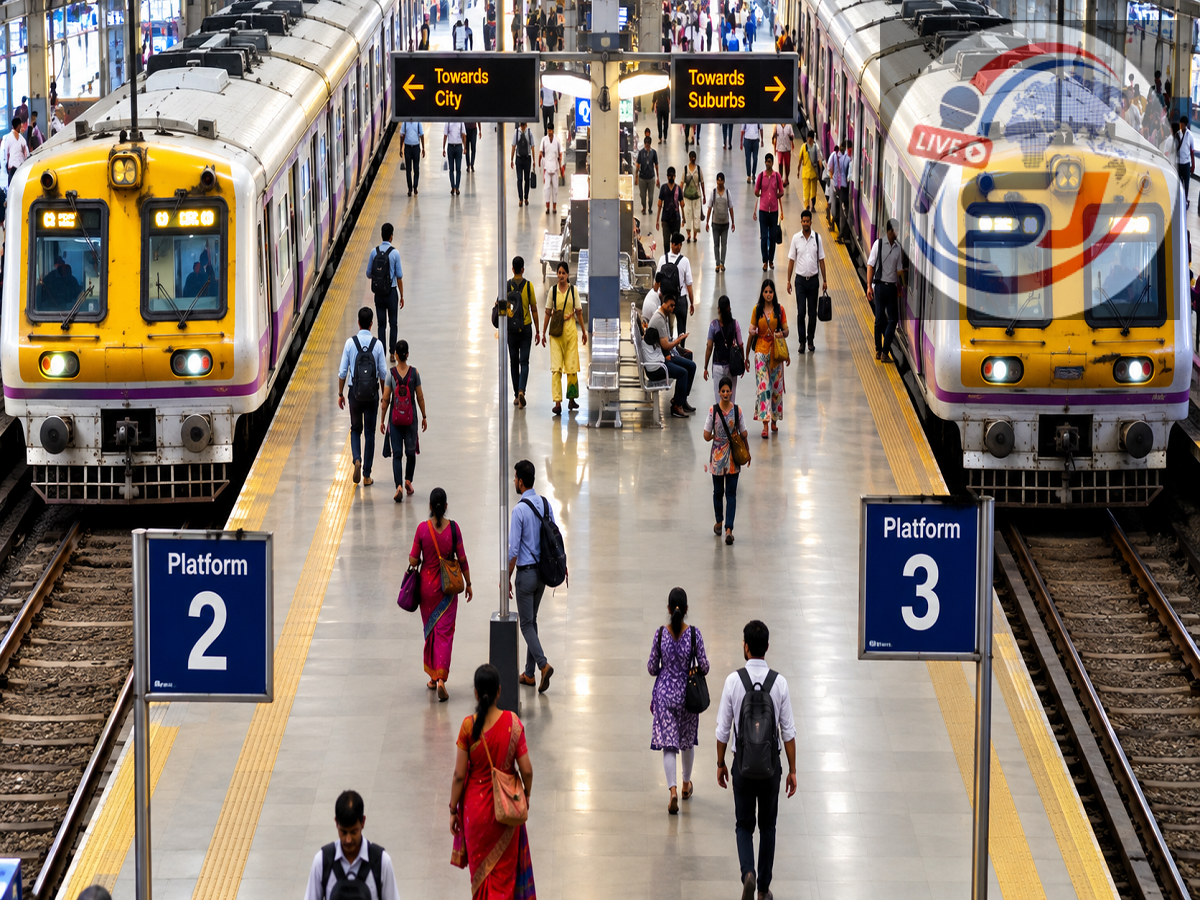
Train-ticket demand rises sharply ahead of Dussehra, Diwali and Chhath Puja as millions of passengers travel to their hometowns. Popular routes connecting major cities with Bihar, Uttar Pradesh, Jharkhand and other states can develop long waiting lists soon after reservations open.
Travellers who cannot find a confirmed berth on a direct train do not necessarily have to abandon their journey. They can explore alternative trains, split the route into two or more segments, check festival-special services or attempt a Tatkal booking.
These methods cannot guarantee confirmation, but they can improve the chances of finding an available seat when direct trains are fully booked.
Divide the Journey Into Separate Segments
One useful strategy is to split a long journey at a major interchange station. Instead of searching only for a direct ticket from the starting city to the final destination, passengers can check availability in separate sections.
For example, a traveller going from Delhi to Patna may find that the direct train has a long waiting list. The passenger can then search for:
- Delhi to Lucknow and Lucknow to Patna
- Delhi to Kanpur and Kanpur to Patna
- Delhi to Prayagraj and Prayagraj to Patna
- Delhi to Varanasi and Varanasi to Patna
The best connecting station will depend on the selected route, train timings and seat availability.
A direct train may have no confirmed berth for the complete journey even though seats are available for shorter portions. Searching each segment separately can sometimes reveal options that do not appear in a standard origin-to-destination enquiry.
Keep Enough Time Between Connecting Trains
Split booking generally creates separate tickets and separate PNRs. This introduces an important risk: if the first train is delayed and the passenger misses the second one, the onward ticket may not be automatically protected.
Passengers should therefore avoid connections with very short gaps. A larger buffer is particularly important during the festive season, when heavy traffic, weather conditions and operational congestion may delay trains.
Before booking, check:
- Scheduled arrival time of the first train
- Departure time of the connecting train
- Historical punctuality of both services
- Distance between platforms or stations
- Availability of waiting rooms and local transport
- Cancellation and refund conditions for each ticket
If the connection involves changing railway stations within the same city, additional travel time should be included.
Search From Nearby Boarding Stations
Passengers often check availability only from their nearest major station. During peak demand, it may be useful to search from another station in the same region.
For instance, someone travelling from Delhi may compare trains departing from New Delhi, Delhi Junction, Anand Vihar Terminal, Hazrat Nizamuddin or another practical nearby station. Similarly, passengers should check whether a train stops at a station close to their final destination.
Flexibility with the boarding point can reveal confirmed seats on another train or under a different availability quota. However, the boarding station entered during booking must be correct. Passengers should not board from an unapproved station without updating the boarding point according to railway rules.
Look for Festival-Special Trains
Indian Railways frequently introduces special services on high-demand routes during Dussehra, Diwali and Chhath Puja. These trains may be announced after regular services have already developed long waiting lists.
Passengers should continue checking the official enquiry system even if they were unable to obtain a ticket during the first attempt. A newly announced special train may offer better availability.
Special services may have different schedules, stoppages and fares from regular trains. Before booking, travellers should verify:
- Train number and operating dates
- Boarding and destination stations
- Departure and arrival timings
- Days of operation
- Class availability
- Fare and cancellation rules
- Whether the service is weekly, biweekly or one-time
Tickets should be purchased only through authorised railway channels or approved booking agents.
Keep Tatkal as an Alternative
Tatkal booking can help passengers who need to travel at short notice. A limited number of berths are released shortly before the journey under the Tatkal quota.
Since demand is extremely high during festivals, passengers should prepare before the booking window opens. They can save passenger details in advance, keep a valid identity document ready and ensure that the payment method is working.
A fast internet connection can help, but travellers should not use unauthorised software, booking bots or agents promising guaranteed confirmation. Such services may violate railway rules and expose customers to fraud.
Tatkal charges are added to the normal fare, and cancellation or refund conditions can be stricter. Passengers should review the applicable rules before confirming payment.
Compare Different Classes and Travel Dates
If the preferred class is unavailable, another class on the same train may still have confirmed seats. Passengers can compare Sleeper, Third AC, AC Economy, Second AC and Chair Car, depending on the train.
Travelling one day earlier or later may also make a major difference. Demand is usually highest immediately before the festival and during the peak return period.
Useful alternatives include:
- Changing the travel date
- Choosing a morning or late-night train
- Booking a higher or lower class
- Selecting a nearby destination station
- Using a combination of train and bus for the final section
- Checking trains on a parallel route
Travellers should compare the total fare and journey time before selecting a complicated alternative.
Do Not Depend Entirely on a Waiting-List Ticket
A waiting-list ticket does not guarantee a berth. Passengers should check the category of the waiting list, current status and confirmation probability before relying on it.
For an e-ticket on which all passengers remain fully waitlisted after chart preparation, the applicable railway rules may prevent them from boarding. Partially confirmed or RAC bookings are treated differently.
Passengers should verify the final PNR status through an official railway platform before leaving for the station.
Avoid Fake Ticket Agents and Confirmation Scams
Festival demand gives fraudsters an opportunity to target passengers with fake tickets, fabricated PNR screenshots and false confirmation promises.
Travellers should never share an OTP, UPI PIN, card PIN or internet-banking password with anyone claiming to arrange a railway ticket. Payment should be made only through the official booking platform or a verified authorised agent.
The safest approach is to remain flexible. Checking nearby stations, special trains, alternative classes, different dates and separately bookable route segments can significantly expand the available options. None of these methods guarantees a confirmed berth, but combining them can make festival travel planning less stressful and more practical.