
Cyclone Arnab Weather Alert: Heavy Rain in Delhi, UP and Bihar; Another Storm May Form in Bay of Bengal
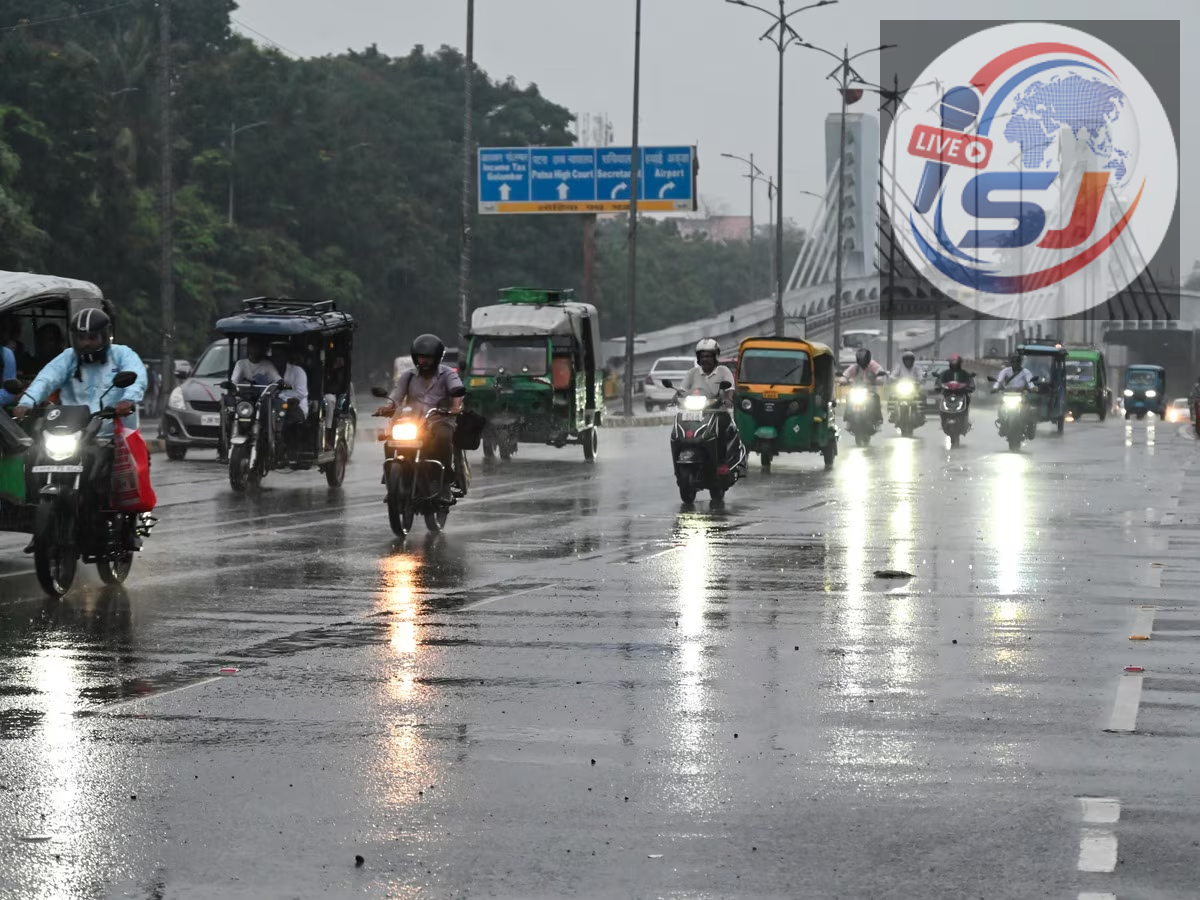
IMD Weather Alert, October 30, 2026: Cyclone Arnab may have weakened after crossing the Andhra Pradesh coast, but its impact continues to affect weather conditions across several parts of India. Heavy rainfall, thunderstorms, strong winds and falling temperatures have been reported in multiple states, including Delhi, Uttar Pradesh, Jharkhand, Odisha and Chhattisgarh.
According to a Live Hindustan report published on October 30, the India Meteorological Department (IMD) has warned that rainfall could continue in several northern and eastern states.
Meanwhile, another low-pressure system has developed over the South Andaman Sea. Weather officials are monitoring its development as it could intensify and bring heavy rainfall to southern India during the first week of November.
The developing weather system has raised concerns about further rainfall in Tamil Nadu, Andhra Pradesh, Kerala and Karnataka.
Cyclone Arnab Continues to Affect Several States
Although Cyclone Arnab has weakened, the associated low-pressure system continues to influence weather conditions across central, eastern and northern India.
Rainfall was reported across several regions during the night between October 29 and 30.
According to the report, Chhattisgarh recorded extremely heavy rainfall at isolated locations during the preceding 24 hours.
Odisha also experienced heavy to very heavy rainfall, while several other states received significant precipitation.
The weather system has contributed to cloudy skies, thunderstorms and lower daytime temperatures in affected areas.
IMD Rain Alert: Which States May Receive Heavy Rain?
The weather department has indicated that several states could experience further rainfall on October 30.
The reported rainfall outlook includes:
| State or region |
Weather outlook |
|---|---|
| Delhi-NCR |
Rain, thunderstorms and cloudy skies |
| Uttar Pradesh |
Heavy rain possible at isolated locations |
| Bihar |
Heavy rainfall possible in some areas |
| Jharkhand |
Heavy rain at isolated locations |
| West Bengal and Sikkim |
Heavy rain possible in selected areas |
| Uttarakhand |
Rain, thunderstorms and strong winds |
| Punjab and Haryana |
Rain and gusty winds possible |
| Odisha |
Continued effects of the weakened weather system |
| Chhattisgarh |
Recent extremely heavy rainfall |
Weather conditions can vary considerably within a state. Residents should check district-level warnings before travelling.
Delhi Weather Today: Rain and Thunderstorm Warning
Delhi has experienced a noticeable change in weather following rainfall associated with the broader weather disturbance.
According to the October 30 report, overnight rainfall was followed by cloudy skies and mist during the morning.
The rain also brought a drop in temperature, offering relief from warmer conditions.
The report states that Delhi recorded one of its wettest October days in recent years.
The weather department reportedly issued a red alert for parts of the capital, warning of further rain and thunderstorms over the following hours.
Such alerts are time-sensitive and may be revised as conditions change.
Residents should consult the latest IMD district forecast rather than relying on an earlier warning after its validity period has ended.
Delhi Temperature May Remain Between 24°C and 26°C
The report indicates that Delhi's maximum temperature on October 30 was expected to remain around 24°C to 26°C.
This would be considerably lower than normal daytime temperatures for the period.
Cloud cover and rainfall were expected to influence conditions through Friday.
However, the forecast suggested that weather conditions could gradually improve between October 31 and November 2.
The extent of improvement will depend on the movement and weakening of the weather system.
Heavy Rain Recorded in Chhattisgarh and Odisha
The IMD rainfall summary cited in the report highlights significant precipitation across several states during the previous 24 hours.
Chhattisgarh reportedly recorded extremely heavy rainfall of at least 21 centimetres at isolated locations.
Odisha experienced heavy to very heavy rainfall, with reported amounts ranging from approximately 12 to 20 centimetres in affected areas.
Heavy rainfall of around 7 to 11 centimetres was also reported in parts of Gangetic West Bengal, Jharkhand, Uttarakhand, Haryana, western Uttar Pradesh and coastal Andhra Pradesh.
These figures refer to rainfall categories and reported locations, not uniform rainfall across entire states.
Persistent heavy rain can increase the risk of waterlogging, local flooding and disruption to road transport.
Another Weather System Developing Over the Andaman Sea
While the effects of Cyclone Arnab continue, meteorologists are monitoring a separate weather disturbance.
According to the report, a low-pressure area was present over the South Andaman Sea and adjoining Andaman and Nicobar Islands at 8:30 AM on October 30.
The system was expected to strengthen into a depression around October 31.
A depression is a more organised low-pressure weather system that can bring strong winds and significant rainfall.
However, the formation of a depression does not automatically mean that it will become a cyclonic storm.
Its future intensity and movement depend on atmospheric and ocean conditions.
Will Another Cyclone Hit Tamil Nadu?
The developing Bay of Bengal system has raised concerns about the possibility of another cyclonic disturbance.
The report discusses a potential movement towards the northern Tamil Nadu coast around November 1 or 2.
However, the exact track, intensity and landfall location of a developing weather system can change.
It would therefore be premature to treat a Chennai-area landfall as confirmed.
Residents of coastal Tamil Nadu and neighbouring regions should follow updated forecasts issued by the IMD and local authorities.
Heavy Rain Forecast for Andhra Pradesh on November 2 and 3
Coastal Andhra Pradesh and Yanam may experience heavy to very heavy rainfall on November 2 and 3, according to the forecast described in the report.
Rainfall could also affect other southern states during the first few days of November.
| Region |
Reported forecast period |
Possible conditions |
|---|---|---|
| Coastal Andhra Pradesh and Yanam |
November 2–3 |
Heavy to very heavy rainfall |
| Tamil Nadu |
November 1–5 |
Widespread rainfall possible |
| Kerala |
November 1–5 |
Rainfall activity may increase |
| Karnataka |
November 1–5 |
Rainfall possible in affected areas |
| Andaman and Nicobar Islands |
October 30–31 |
Conditions associated with developing low pressure |
These are forecast possibilities, not confirmed rainfall observations.
Strong Winds Expected in Northern India
Apart from heavy rain, the weather report warns of gusty winds across parts of northwestern India.
Uttarakhand, Punjab, Haryana and Uttar Pradesh could experience wind speeds of approximately 30–50 km/h in affected locations on October 30.
Thunderstorms and lightning may accompany the rainfall.
Strong winds can damage temporary structures, disturb loose objects and create hazards for people travelling on exposed roads.
Residents should avoid taking shelter beneath isolated trees during thunderstorms.
Safety Precautions During Heavy Rain and Thunderstorms
People living in areas covered by weather warnings should take basic precautions.
-
Avoid unnecessary travel during intense rainfall or thunderstorms.
-
Do not attempt to drive through flooded roads or underpasses.
-
Stay away from electric poles, fallen wires and waterlogged electrical installations.
-
Secure loose objects on balconies, rooftops and outdoor spaces.
-
Fishermen and coastal residents should follow official marine weather advisories.
-
Keep mobile phones charged and monitor local emergency instructions.
-
Follow evacuation directions if issued by district authorities.
For current weather forecasts and official warnings, visit the India Meteorological Department website.
Cyclone Arnab Weather Update: What Happens Next?
The weakened remnants of Cyclone Arnab are expected to continue influencing rainfall across parts of northern and eastern India.
Meanwhile, the developing low-pressure system over the South Andaman Sea could become an important weather concern for southern India in early November.
Delhi-NCR may see gradual improvement in weather conditions after October 30, while coastal Andhra Pradesh and neighbouring southern states could face another period of significant rainfall.
The key takeaway: Cyclone Arnab's effects are still being felt across several Indian states, with heavy rain and thunderstorms possible on October 30. A separate Bay of Bengal weather system is also developing and may bring heavy rainfall to southern India in early November. Residents should monitor official IMD warnings because forecasts and alert levels can change rapidly.
Source Credit: India Meteorological Department (IMD).