
UNESCO World Heritage 2026: Three Indian Sites Added to Tentative List in Andaman Islands and Chhattisgarh

UNESCO World Heritage Update 2026: India has achieved another important milestone in its heritage conservation efforts, with three locations from the Andaman and Nicobar Islands and Chhattisgarh reportedly added to UNESCO's World Heritage Tentative List.
According to an announcement by India's Permanent Delegation to UNESCO in Paris on October 20, 2026, the newly included locations are the Karst-Mud-Volcano Complex of Baratang, the Andaman Subduction Volcanoes, and the Sirpur Cultural and Archaeological Landscape.
The development highlights India's geological diversity, volcanic landscapes and rich archaeological heritage.
However, there is an important distinction: these three locations have been added to UNESCO's Tentative List, not the final World Heritage List. Their inclusion represents an early stage in the process of seeking international recognition.
The Archaeological Survey of India (ASI) has also been acknowledged for its contribution to the preparation and submission of these heritage proposals.
UNESCO Tentative List 2026: Three New Indian Sites
| Site |
Location |
Heritage Significance |
|---|---|---|
| Karst-Mud-Volcano Complex of Baratang |
Andaman and Nicobar Islands |
Geological formations, karst features and mud-volcano activity |
| Andaman Subduction Volcanoes |
Andaman and Nicobar Islands |
Volcanic activity associated with tectonic plate movements |
| Sirpur Cultural and Archaeological Landscape |
Chhattisgarh |
Ancient temples, Buddhist remains and archaeological heritage |
These additions strengthen India's collection of potential World Heritage nominations.
1. Karst-Mud-Volcano Complex of Baratang: A Rare Geological Landscape
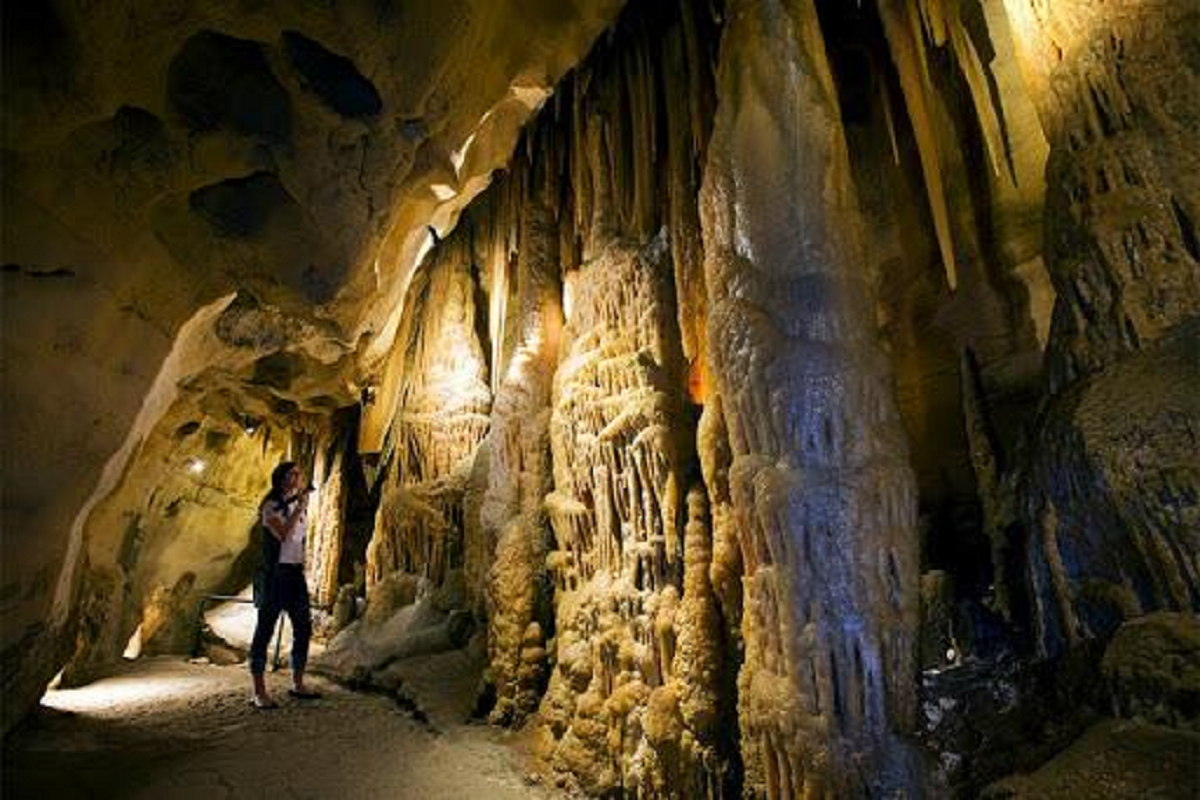
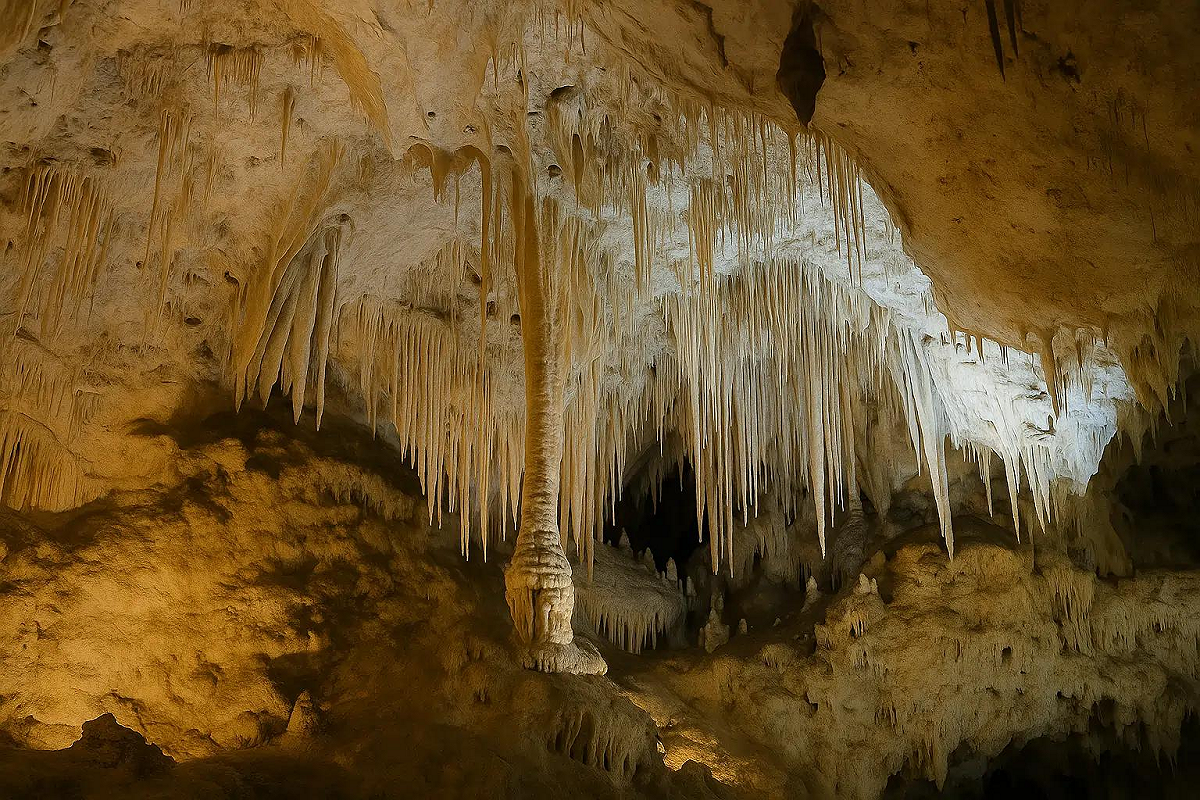
The Baratang region in the Andaman and Nicobar Islands is known for its unusual geological features, including limestone formations and mud volcanoes.
Karst landscapes develop when soluble rocks, particularly limestone, undergo gradual dissolution through natural processes.
Over long periods, these processes can create caves, channels and other distinctive geological structures.
Mud volcanoes are different from conventional volcanoes. Rather than producing molten lava, they typically release mud, water and gases from beneath the Earth's surface.

The combination of these features makes Baratang an important location for understanding geological activity and landscape development.
Its inclusion on the Tentative List could support further scientific documentation and conservation planning.
However, the site's future World Heritage nomination would need to demonstrate the relevant UNESCO criteria, including its potential Outstanding Universal Value.
2. Andaman Subduction Volcanoes: India's Remarkable Volcanic Heritage
The Andaman and Nicobar region lies within a geologically active zone influenced by the movement of tectonic plates.
The region is associated with a subduction system, where one tectonic plate moves beneath another.
This process contributes to volcanic activity, earthquakes and the formation of distinctive geological structures.
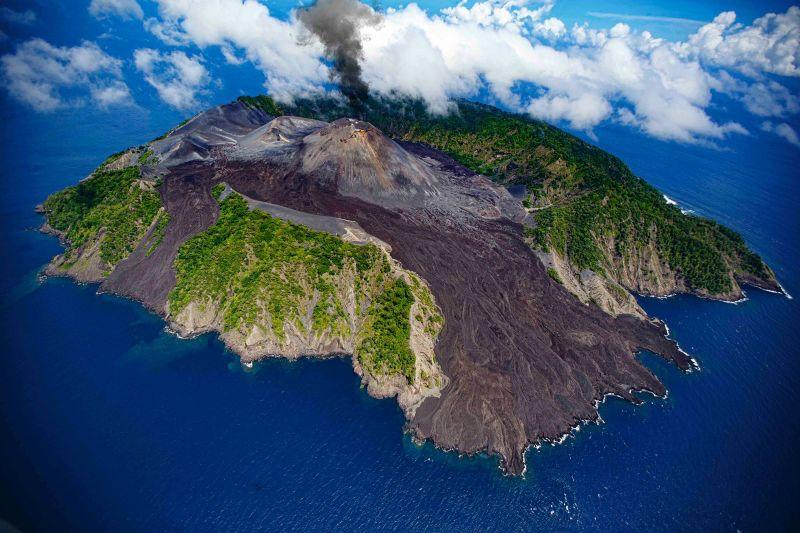
Among the region's best-known volcanic landmarks is Barren Island, which is widely recognised for its active volcanic system.
Narcondam is another volcanic island in the Andaman region, although its geological characteristics and activity differ from those of Barren Island.
The proposed Andaman Subduction Volcanoes heritage area highlights the broader geological importance of these volcanic landscapes.
Recognition through UNESCO's nomination process could encourage research into volcanic processes, geological history and the conservation of fragile island environments.
Any future nomination would require a clearly defined property boundary, scientific justification and appropriate protection arrangements.
3. Sirpur Cultural and Archaeological Landscape: Chhattisgarh's Ancient Heritage
Sirpur, located in Chhattisgarh, is an important archaeological destination associated with India's early medieval history.
Situated near the Mahanadi River, the ancient settlement is known for its religious monuments, archaeological remains and evidence of cultural exchange.
The region contains structures associated with Hindu, Buddhist and Jain traditions.
One of its most prominent monuments is the Lakshman Temple, celebrated for its historic brick architecture and intricate decorative work.
Archaeological investigations have also revealed Buddhist monasteries, sculptures and other remains that help researchers understand the settlement's historical significance.
Sirpur's heritage value extends beyond individual monuments.
Its archaeological landscape provides evidence of religious activity, settlement patterns, artistic traditions and cultural developments over several centuries.
The inclusion of Sirpur on UNESCO's Tentative List could provide an opportunity to present its wider historical significance to an international audience.
What Is UNESCO's World Heritage Tentative List?
The Tentative List is an inventory of properties that a country may consider nominating for inscription on the UNESCO World Heritage List in the future.
It is an important preliminary requirement in the World Heritage nomination process.
Countries identify sites that they believe may possess Outstanding Universal Value and submit them for inclusion in their national Tentative Lists.
However, inclusion does not guarantee eventual World Heritage status.
A site must undergo additional documentation, evaluation and consideration before it can be inscribed on the final list.
Tentative List vs World Heritage List
| Feature |
Tentative List |
World Heritage List |
|---|---|---|
| Purpose |
Identifies potential future nominations |
Recognises sites formally inscribed under the Convention |
| Status |
Preliminary stage |
Final UNESCO inscription |
| Evaluation |
Detailed nomination may still be pending |
Formal evaluation and committee decision completed |
| Recognition |
Candidate for future consideration |
Official World Heritage Site |
| Guaranteed inscription? |
No |
Already inscribed |
The three newly reported Indian additions belong to the first category.
How Does a Site Become a UNESCO World Heritage Site?
The nomination process involves several stages.
First, a country identifies a location with potential cultural or natural heritage significance and includes it on its Tentative List.
The relevant authorities then prepare a detailed nomination dossier.
This documentation generally explains the site's proposed Outstanding Universal Value, authenticity or integrity, boundaries, legal protection and management arrangements.
The nomination is subsequently examined through UNESCO's established evaluation process.
Advisory bodies, including ICOMOS for cultural properties and IUCN for natural properties, may assess nominations according to their areas of expertise.
The World Heritage Committee ultimately decides whether a nominated property should be inscribed, referred, deferred or not inscribed.
Therefore, Tentative List inclusion is an important beginning rather than the final stage.
Archaeological Survey of India's Role in Heritage Recognition
India's Permanent Delegation to UNESCO reportedly acknowledged the Archaeological Survey of India for its work relating to the new Tentative List entries.
The ASI plays an important role in archaeological research, conservation, documentation and the protection of nationally significant monuments.
For heritage nominations, detailed research and technical documentation are essential.
This may involve historical studies, archaeological surveys, geological assessments, mapping and conservation planning.
Collaboration between national authorities, state agencies, researchers and local stakeholders is also important for protecting heritage sites.
The latest additions demonstrate the value of documenting both natural landscapes and cultural properties.
How Many UNESCO World Heritage Sites Does India Have in 2026?
According to the supplied October 21, 2026 report, India has 45 UNESCO World Heritage Sites, comprising 37 cultural sites, seven natural sites and one mixed site.
The report attributes the latest increase in the total to the inclusion of the historic Buddhist site of Sarnath in July 2026.
These figures are reported information and should be checked against UNESCO's current official country profile before publication as a definitive count.
Importantly, the three newly added Tentative List properties do not increase the number of fully inscribed World Heritage Sites.
The official UNESCO database can be accessed through the India World Heritage country profile.
India's Position Among Countries With the Most World Heritage Sites
The source report places India sixth globally and second in the Asia-Pacific region in terms of the number of inscribed World Heritage Sites.
It also provides the following comparative figures:
| Country |
World Heritage Sites Reported |
|---|---|
| Italy |
62 |
| China |
61 |
| France |
56 |
| Germany |
55 |
| Spain |
50 |
| India |
45 |
These are the figures cited in the supplied report, not an independently verified live ranking. UNESCO's official list should be consulted for the latest totals.
India's First UNESCO World Heritage Sites
India's association with UNESCO's World Heritage List dates back to 1983.
Four Indian sites were inscribed that year: the Ajanta Caves, Ellora Caves, Agra Fort and Taj Mahal.
These landmarks represent significant achievements in Indian architecture, artistic expression and cultural history.
Ajanta is particularly renowned for its Buddhist cave paintings and sculptures, while Ellora reflects a remarkable tradition of rock-cut architecture.
Agra Fort and the Taj Mahal are celebrated examples of Mughal-era architecture.
Since those initial inscriptions, India's World Heritage portfolio has expanded to include historic cities, temples, monuments, archaeological landscapes, forests and natural ecosystems.
The latest Tentative List additions reflect the country's continuing efforts to identify heritage properties that may merit international recognition.
What Could UNESCO Recognition Mean for These Three Sites?
Tentative List inclusion may help bring greater attention to the conservation needs and heritage potential of the three locations.
For Baratang and the Andaman volcanic landscapes, it could encourage geological research, environmental protection and carefully managed visitor awareness.
For Sirpur, it could support archaeological documentation, monument conservation and responsible cultural tourism.
However, the potential benefits depend on effective management and long-term protection.
UNESCO Tentative List status does not automatically provide funding, impose a tourism development programme or guarantee final inscription.
Authorities must continue working on the documentation and protection measures required for any future nomination.
UNESCO World Heritage Update 2026: Final Details
India's reported addition of the Karst-Mud-Volcano Complex of Baratang, the Andaman Subduction Volcanoes and the Sirpur Cultural and Archaeological Landscape to UNESCO's Tentative List marks an important development in the country's heritage identification efforts.
The two Andaman and Nicobar entries highlight exceptional geological landscapes, while Sirpur represents India's rich archaeological and cultural history.
The Archaeological Survey of India's contribution has also been recognised in connection with the process.
The key point is that these three properties are potential World Heritage nominees, not newly inscribed UNESCO World Heritage Sites.
Their progress toward full recognition will depend on future nomination submissions, expert evaluations and decisions by the World Heritage Committee.
Disclaimer: This article is based on the supplied October 21, 2026 report. The latest UNESCO inscription totals, rankings and Tentative List entries should be verified through the official UNESCO World Heritage Centre before publication.