
Train Travel Tips: Common Mistakes Passengers Should Avoid for a Safer and Smoother Journey
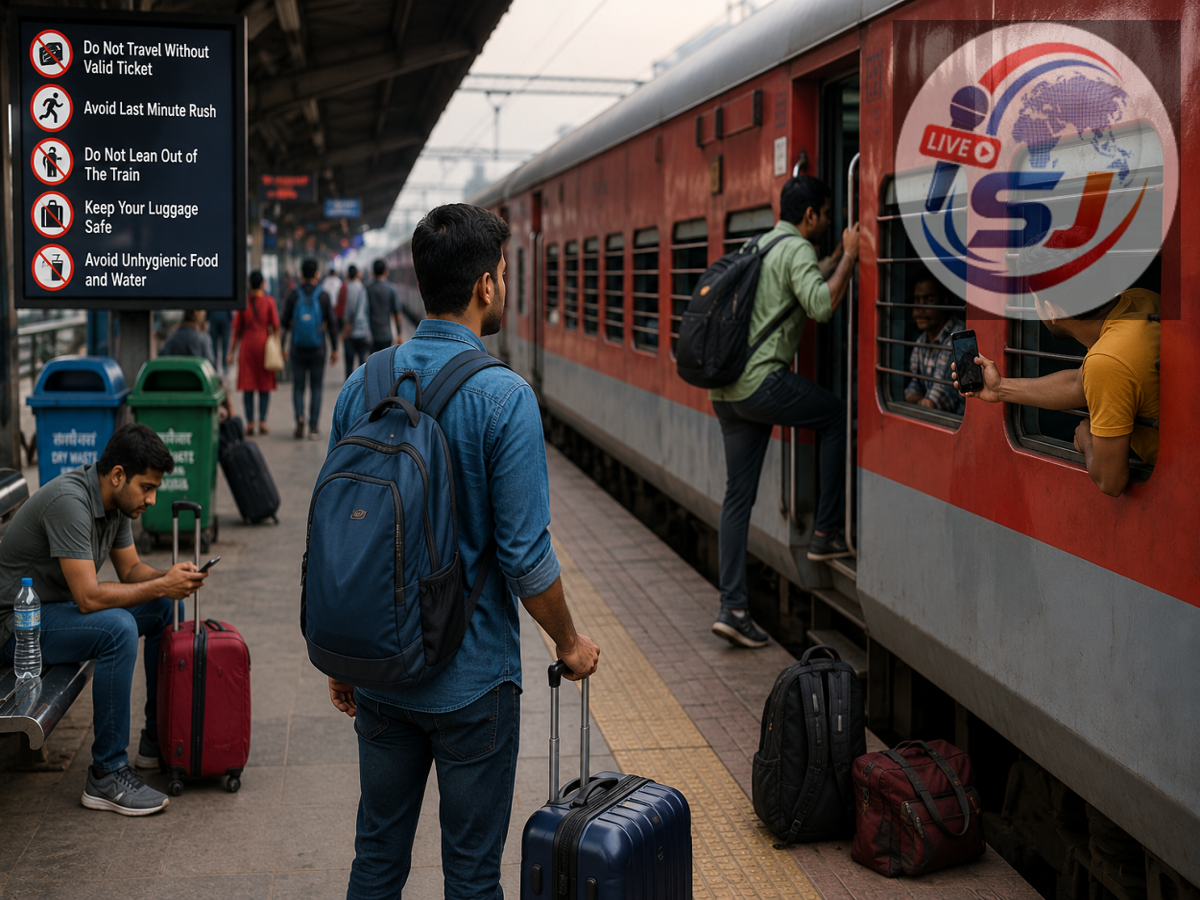
Travelling by train is one of the most familiar and convenient ways to explore India. Whether it is an overnight journey, a short intercity trip or a long-distance ride across several states, train travel offers an experience that is quite different from other modes of transport. Changing landscapes, busy railway stations and interactions with fellow passengers all become part of the journey.
However, a comfortable train journey also requires some preparation. Small mistakes—such as reaching the wrong railway station, failing to check ticket details, leaving luggage unattended or arriving just before departure—can quickly turn an otherwise pleasant trip into a stressful experience.
A few simple precautions before and during the journey can help passengers avoid unnecessary problems. Here are some common train travel mistakes worth avoiding.
Don't Assume You Know the Correct Railway Station
One of the easiest mistakes to make is heading to the wrong station, particularly when travelling from a large city.
Several Indian cities have multiple major railway stations, and trains operating on similar routes may depart from different terminals. Passengers should therefore carefully check the boarding station printed on their ticket instead of relying on memory or assumptions.
Before leaving home, verify the train number, boarding station, departure time and travel date. Platform information should also be checked closer to departure because operational changes may occur.
Don't Reach the Station at the Last Minute
Unlike some other forms of transport, trains may stop at certain stations for only a limited period. Reaching the station just minutes before departure can therefore be risky.
Large railway stations can also take time to navigate. Passengers may need to cross foot overbridges, use escalators or lifts and walk a considerable distance before reaching the correct platform.
Once on the platform, finding the position where your coach is expected to stop can take additional time.
Arriving with a reasonable buffer gives you enough time to locate the platform, identify the coach position and organise your luggage without rushing.
Check Your Ticket Details Before Starting the Journey
Booking a ticket is not the final step in preparing for a train journey.
Passengers should carefully review important details such as the traveller's name, journey date, train number, boarding point, coach and seat or berth information. The latest booking or reservation status should also be checked when applicable.
Keeping your ticket easily accessible on your phone can make things more convenient. Saving an offline copy or screenshot may also be useful if mobile internet connectivity becomes unreliable during the journey.
Passengers should additionally carry any identification documents required under applicable railway rules.
Never Leave Valuable Belongings Unattended
Luggage security deserves special attention, especially during long-distance and overnight journeys.
Passengers may become relaxed after settling into their seats and sometimes leave phones, laptops, wallets, cameras or important documents unattended. This can create an unnecessary security risk.
Valuable belongings should ideally remain close to you. Larger bags should be stored appropriately and secured wherever possible. Wallets, identification documents, cash, electronic devices and other important items should not be left openly visible while sleeping or moving around the coach.
Being cautious is particularly important when passengers are boarding or leaving the train at busy stations.
Don't Depend Entirely on Mobile Internet
Smartphones have made railway journeys much easier, but internet connectivity cannot always be guaranteed.
Mobile signals may become weak while travelling through remote areas, tunnels or certain stretches of the railway network. Depending entirely on online access for essential information can therefore create problems.
Consider keeping important information available offline, including your ticket, destination address, hotel details and essential contact numbers.
At stations, passengers should also pay attention to official information displays and public announcements rather than relying exclusively on third-party apps.
Be Careful About Food and Drinking Water
Food is an important part of a long train journey, but passengers should be selective about what they consume.
When purchasing food during the journey, pay attention to hygiene, packaging and the condition of the item. Avoid food that appears improperly stored, stale or suspicious.
Carrying some light snacks can be useful, particularly on longer routes where your preferred food may not always be readily available.
Passengers should also ensure they have access to sufficient drinking water, especially during hot weather or extended journeys.
Take Extra Precautions During Overnight Travel
Night journeys require slightly greater attention to personal belongings and surroundings.
Before going to sleep, make sure important items are properly secured. Avoid leaving phones, wallets or other valuables where they can be easily picked up.
Travellers should also be cautious about sharing unnecessary personal information with strangers. Friendly conversation is common during train journeys, but details involving finances, accommodation, home addresses or other sensitive information are best kept private.
If a passenger feels unsafe or notices suspicious activity, assistance should be sought from authorised railway personnel or official railway support channels.
Don't Ignore Changes in Train or Platform Information
Another common mistake is checking travel information once and assuming nothing will change.
Train schedules, platform assignments and other operational information can sometimes be updated. Passengers should therefore continue monitoring official displays and announcements after arriving at the station.
This is particularly important at large or crowded railway stations, where a late platform change can require a considerable walk.
Keeping an eye on updates can help prevent last-minute confusion.
Remember That a Train Coach Is a Shared Space
Comfortable train travel depends not only on railway facilities but also on passenger behaviour.
Playing music or videos loudly, having noisy conversations late at night or spreading luggage unnecessarily across shared seating areas can inconvenience other travellers.
Using earphones, keeping conversations at a reasonable volume and storing belongings properly are simple ways to make the journey more pleasant for everyone.
Passengers should also respect shared facilities and maintain cleanliness as far as possible.
A Little Preparation Can Make Train Travel Much Easier
Most train journeys go smoothly when passengers prepare in advance and remain attentive throughout the trip.
Checking the correct station, verifying ticket information, arriving early, protecting valuables and keeping essential information available offline can prevent many common travel problems. Food, water and personal safety also deserve attention, particularly during long-distance or overnight journeys.
Train travel can be relaxing and enjoyable when passengers are not constantly dealing with avoidable problems. Spending a few extra minutes preparing before departure can save considerable inconvenience later.
Ultimately, a smoother railway journey comes down to three things: planning ahead, staying alert and being considerate of fellow passengers.