
Socrates’ Timeless Lesson: Why Knowing Yourself Is the Greatest Achievement Before Old Age
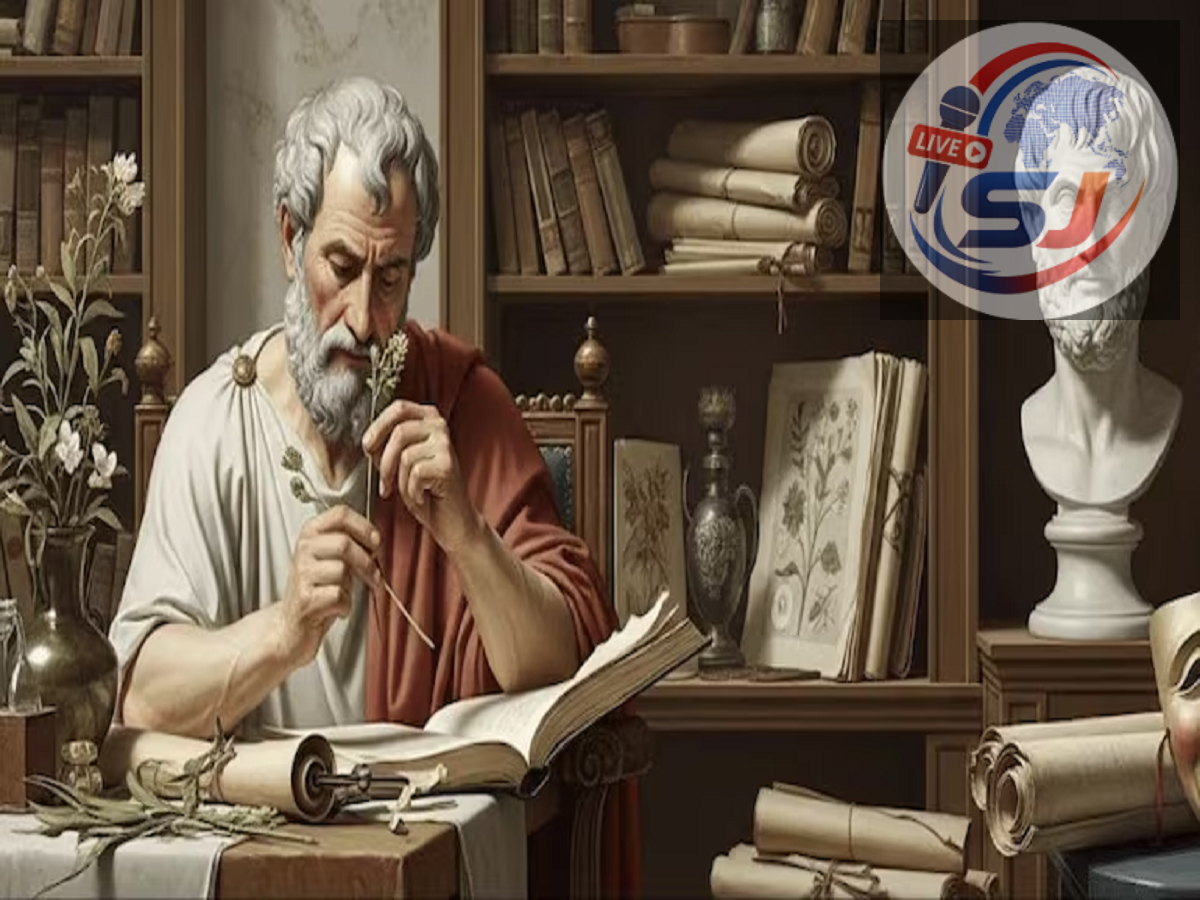
Socrates Philosophy: Ancient Greek philosopher Socrates is remembered for his profound ideas on wisdom, ethics, and self-awareness. Among his most inspiring teachings is the belief that every person should understand their true potential before growing old. For Socrates, taking care of the body was not merely about physical appearance—it was an essential part of living a disciplined, meaningful, and fulfilling life.
His philosophy continues to resonate even today, encouraging people to strengthen both their minds and bodies while striving for continuous self-improvement.
The Meaning Behind Socrates’ Famous Thought
One of Socrates' most well-known ideas emphasizes that it is unfortunate for a person to grow old without discovering the full strength and capability of their own body. Rather than promoting fitness for appearance alone, this philosophy encourages individuals to recognize and develop their physical and mental potential throughout life.
According to Socrates, just as people dedicate time to education, careers, and personal ambitions, they should also invest consistent effort in maintaining their health and overall well-being.
Fitness Is More Than Looking Good
Modern fitness is often associated with appearance, but Socrates viewed it from a much broader perspective. He believed that maintaining physical health is a personal responsibility that directly influences the quality of life.
A healthy body enables people to perform daily tasks more efficiently, improves self-confidence, and supports long-term independence. Good physical health also allows individuals to face life's challenges with greater resilience and energy.
His teaching reminds us that caring for our bodies is not a luxury but an essential responsibility toward ourselves.
A Healthy Mind Needs a Healthy Body
Socrates believed the mind and body work together rather than separately. Physical well-being contributes to emotional stability, sharper thinking, and better decision-making.
When the body remains active and healthy, people often experience higher levels of concentration, motivation, and confidence. On the other hand, neglecting physical health can affect productivity, mental clarity, and overall quality of life.
His philosophy highlights that personal growth depends on maintaining balance between mental development and physical wellness.
Discover the Potential Within You
Another important lesson from Socrates is the importance of self-discovery. Every individual possesses unique talents, strengths, and abilities, but these qualities can only be revealed through consistent effort and self-reflection.
He encouraged people to challenge themselves, learn continuously, and explore their capabilities instead of settling for comfort. Without trying new experiences or pushing personal limits, many people never realize what they are truly capable of achieving.
This message remains especially relevant in today's competitive world, where continuous learning and adaptability are key to success.
Discipline Builds Lasting Success
For Socrates, discipline was one of the strongest foundations of personal excellence. He believed that small, consistent habits eventually produce significant results over time.
Simple practices such as exercising regularly, managing time wisely, learning new skills, and maintaining healthy routines contribute to long-term success far more than occasional bursts of motivation.
His philosophy teaches that discipline is not about restriction but about creating habits that support a better future.
Socrates Practiced What He Taught
Socrates was not only a philosopher but also served as a soldier during the Peloponnesian War. His experiences in demanding and difficult conditions reinforced his belief in courage, endurance, and physical preparedness.
His own life demonstrated that intellectual strength and physical resilience could complement each other, making individuals better equipped to face adversity.
This practical experience gave additional weight to his teachings on discipline and self-improvement.
Learning Through Questions
One of Socrates' most influential contributions to education is the Socratic Method, a teaching approach based on asking thoughtful questions instead of simply providing answers.
Rather than telling students what to think, he encouraged them to examine ideas, question assumptions, and discover answers independently. This method promotes critical thinking, deeper understanding, and lifelong learning.
Even today, many universities, law schools, and educational institutions continue to use this questioning technique to develop analytical and problem-solving skills.
Why His Philosophy Still Matters Today
In today's fast-paced digital world, many people spend long hours working, using electronic devices, and managing busy schedules while neglecting their physical and mental health.
Socrates' message serves as a powerful reminder that true success is not measured only by wealth, status, or professional achievements. A meaningful life also depends on maintaining good health, strong character, continuous learning, and self-awareness.
By caring for both the mind and body, practicing discipline, and striving to understand our own abilities, we can build a healthier, happier, and more purposeful life.
His timeless philosophy continues to inspire people across generations, proving that the journey of self-discovery remains one of life's greatest achievements.