
Raksha Bandhan 2026: Know the History of Rakhi and Why This Festival Is So Special
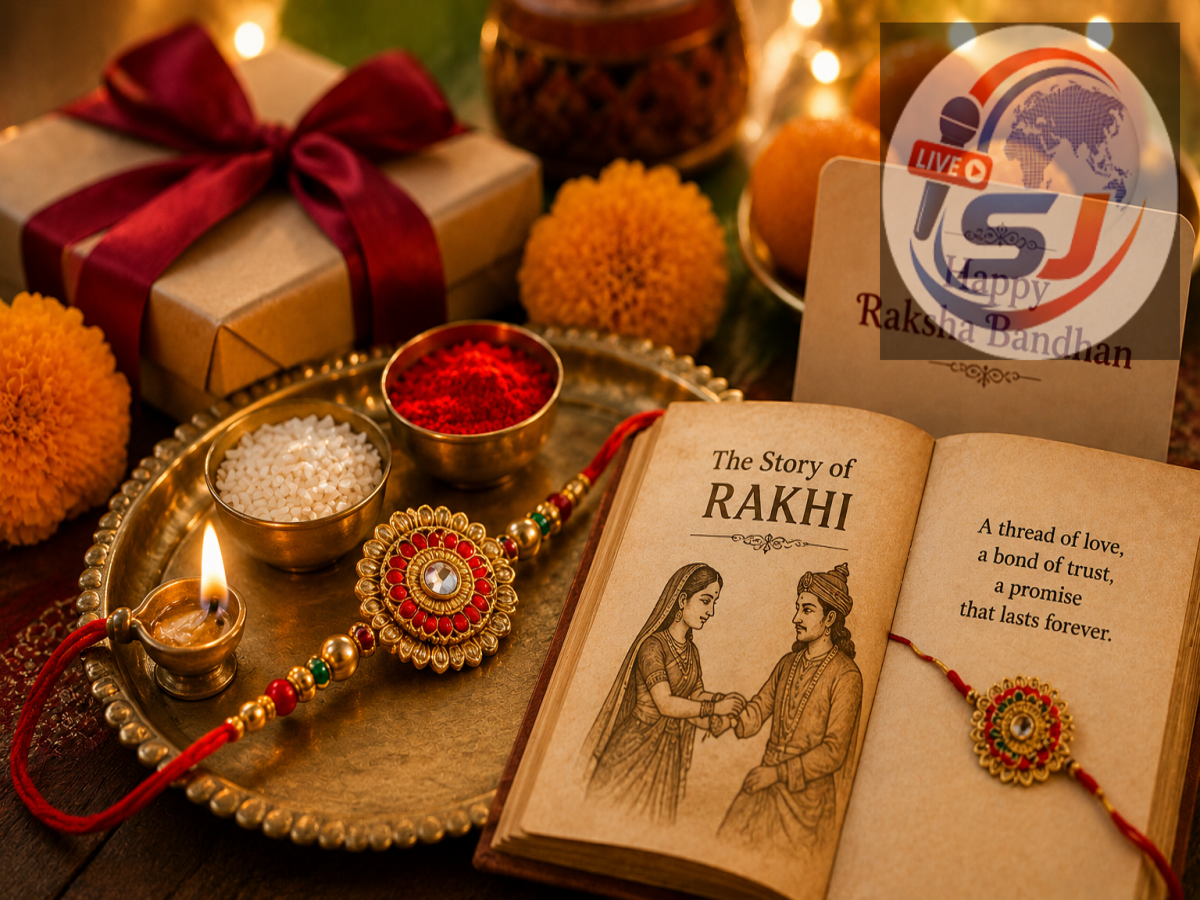
Raksha Bandhan 2026: A simple thread tied around the wrist carries deep emotional and cultural significance in Indian families. On Raksha Bandhan, sisters traditionally tie a rakhi on their brothers' wrists, apply tilak and pray for their happiness and well-being. Brothers, in turn, give gifts and traditionally promise to support and care for their sisters.
However, Raksha Bandhan has not always been celebrated exactly the way we see it today. The festival has evolved over generations, and its traditions vary considerably across different regions of India. From religious customs and family gatherings to modern-day video calls and online gifts, the way Rakhi is celebrated continues to change while its central message of affection and togetherness remains strong.
What Does Raksha Bandhan Mean?
The term "Raksha Bandhan" is formed from two Sanskrit-derived words—Raksha, meaning protection, and Bandhan, meaning bond or tie. It is therefore commonly understood as a "bond of protection."
Traditionally, a sister ties a sacred thread or rakhi around her brother's wrist and wishes him good health, prosperity and happiness. The brother acknowledges the relationship with affection, gifts and a symbolic commitment to stand by his sister.
Over time, however, Raksha Bandhan has developed a broader meaning. In many communities, the rakhi is also seen as a symbol of affection, goodwill, respect and emotional connection rather than being restricted solely to biological brothers and sisters.
How Old Is the Tradition of Rakhi?
The precise historical origin of Raksha Bandhan is difficult to trace to one single event. Instead, traditions involving protective threads appear in different religious texts, legends and regional customs.
One well-known tradition is associated with Indra and Indrani. According to a story linked with ancient Hindu tradition, Indrani tied a sacred protective thread on Indra before battle. The episode is often cited to illustrate that the early idea of a protective thread was not necessarily limited to the modern brother-sister relationship.
Another popular legend connects Raksha Bandhan with Lord Krishna and Draupadi. According to later popular tradition, Draupadi tore a piece of cloth and tied it around Krishna's injured finger, and Krishna subsequently promised to protect her. The story has become closely associated with the festival's broader themes of affection, gratitude and protection.
These stories are primarily part of religious and cultural tradition rather than independently verified historical accounts.
Is Raksha Bandhan Celebrated the Same Way Everywhere?
No. One of the most interesting aspects of Raksha Bandhan is the variety of traditions observed across India.
In Maharashtra and several coastal communities, the period coincides with Narali Purnima, when coconuts are traditionally offered to the sea. The occasion has particular significance for fishing communities, which pray for safety and favourable conditions at sea.
In other regions, the day may include religious ceremonies, family gatherings, special meals and local customs alongside the tying of rakhi.
This regional diversity shows how a common festival can acquire different cultural meanings while retaining its basic spirit of relationships and goodwill.
How the Tradition of Rakhi Changed With Time
For earlier generations, extended families often lived in the same village, town or nearby areas. Raksha Bandhan therefore provided an important occasion for relatives to meet.
The festival also became closely connected with married daughters returning to their parental homes and meeting brothers and other family members.
Modern lifestyles have changed this considerably. Education, employment and migration mean that siblings may now live hundreds or even thousands of kilometres apart.
Yet distance has not ended the tradition—it has simply changed the way people celebrate it.
From Postal Rakhi to Video Calls
Sending a rakhi through the post has long been common for siblings living in different cities. Today, technology has made long-distance celebrations even easier.
Rakhis, sweets and gifts can be ordered online and delivered directly to another city or country. Families who cannot meet physically can participate in rituals through video calls.
For many siblings living abroad, a virtual celebration may now accompany the traditional rakhi sent from home.
Rakhi Has Changed With the Market Too
The rakhi itself has undergone a dramatic transformation.
Traditional colourful threads remain popular, but shops and online marketplaces now offer designer rakhis, personalised name rakhis, children's character rakhis, bracelet-style rakhis and many other variations.
Gifting traditions have also evolved. Clothes, cash and sweets remain common, but people increasingly choose gadgets, books, skincare products, personalised photo albums, travel accessories and experience-based gifts.
Despite these commercial changes, the emotional significance of the occasion continues to be the main reason families celebrate it.
Why Is Raksha Bandhan Still Special?
The importance of Raksha Bandhan goes beyond the physical thread tied around the wrist.
Brothers and sisters may grow up, move to different cities, pursue separate careers and become busy with their own families. They may not even speak every day. Yet Raksha Bandhan creates an occasion to reconnect with childhood memories and family relationships.
It is also a reminder that protection in a modern relationship does not necessarily have to mean a brother protecting a sister. Care, emotional support, respect and responsibility can be mutual.
Raksha Bandhan: An Old Tradition With a Modern Meaning
Perhaps the most remarkable feature of Raksha Bandhan is its ability to change without completely losing its traditional character.
The rakhi may now arrive through a courier instead of being tied in person. Gifts may be ordered through an app, and siblings separated by continents may celebrate over a video call. Yet the idea behind the festival remains familiar—remembering a relationship and expressing affection, respect and support.
That is why this centuries-old tradition continues to hold a special place in modern life. The thread may be small, but the memories and relationships associated with it can last a lifetime.