
Peanuts With Skin or Without? Know Which Way of Eating Moongfali May Offer More Benefits
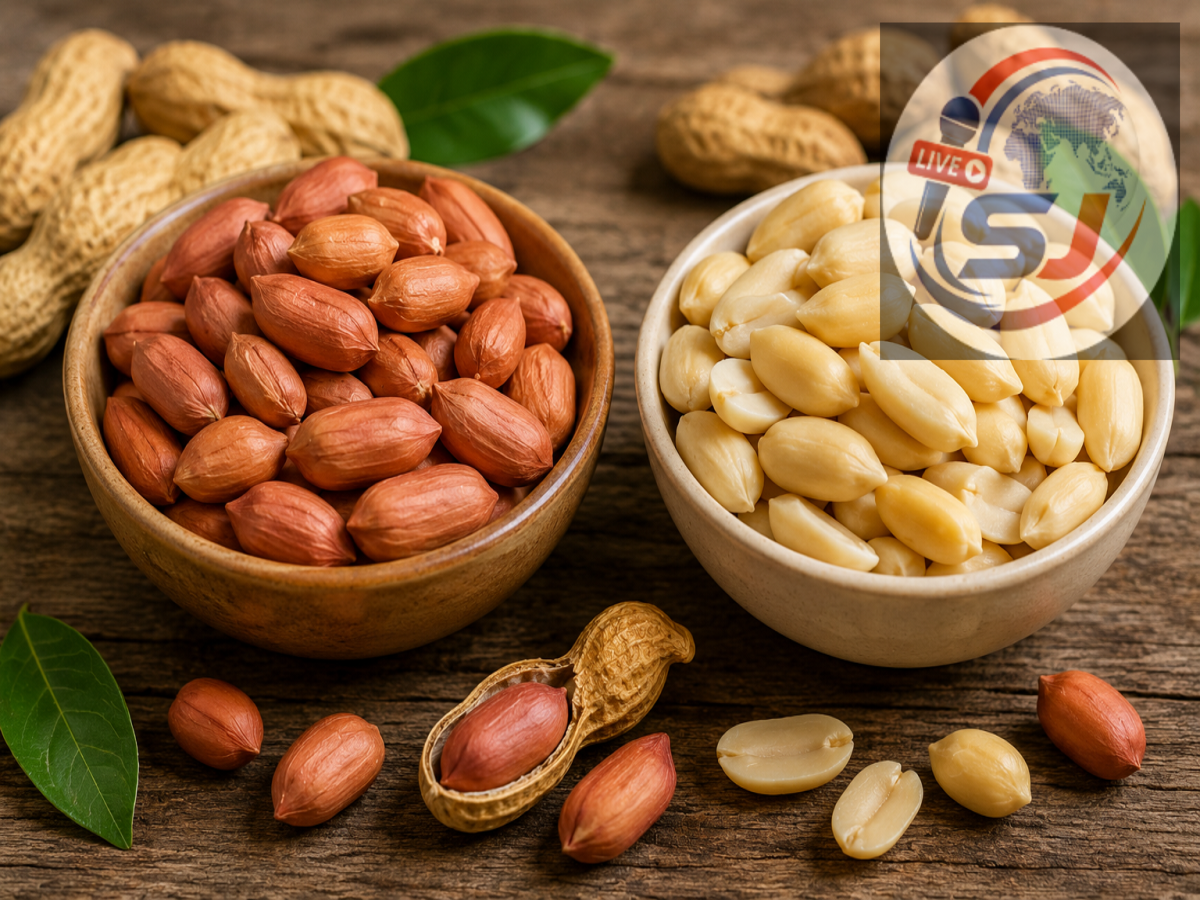
Peanuts are an affordable and convenient snack packed with protein, healthy fats and several essential nutrients. But there is one common question many people have while eating them: Should you eat peanuts with their thin reddish-brown skin or remove it first?
Both options can be part of a healthy diet. However, keeping the skin on may provide some additional plant compounds, antioxidants and fibre. At the same time, people who dislike the texture or experience digestive discomfort can remove the skin without losing the major nutritional benefits of peanuts.
Here is what you should know before choosing between peanuts with or without their skin.
Why Are Peanuts Considered Nutritious?
Despite commonly being treated like nuts, peanuts belong to the legume family. They are nutrient-dense and can provide considerable energy even in a relatively small serving.
Peanuts contain protein, unsaturated fats, fibre, vitamin E and several important minerals. This nutritional combination makes them useful as a snack when consumed in moderation.
Protein supports the maintenance and repair of body tissues, while dietary fats provide energy and help the body absorb certain vitamins.
The fibre content can also support digestive health and contribute to a feeling of fullness after eating.
What Nutrients Do Peanuts Provide?
Peanuts contain a range of nutrients needed for normal body functions. These include protein and predominantly unsaturated fats along with dietary fibre.
They also provide nutrients such as vitamin E, magnesium, phosphorus, potassium and zinc, although the exact amount varies according to the type of peanut and how it is processed.
Because peanuts are calorie-dense, portion size remains important even though they contain beneficial nutrients.
Should You Eat Peanuts With the Skin?
For most people who tolerate it comfortably, there is generally no need to remove the thin reddish skin covering the peanut.
The skin contains plant-based compounds, including different types of polyphenols, that contribute additional antioxidant activity.
Therefore, eating the entire peanut with its skin can preserve more of these compounds than removing the skin before consumption.
However, this does not mean skinless peanuts suddenly become unhealthy. Most of the peanut's protein, fats, vitamins and minerals remain in the kernel.
Peanut Skin Contains Antioxidant Compounds
One of the main reasons for keeping the skin is its concentration of naturally occurring plant compounds.
Peanut skins contain various polyphenolic compounds and other antioxidants. Antioxidants help protect cells against oxidative damage caused by unstable molecules commonly known as free radicals.
Plant foods contain many different antioxidant compounds, so peanuts should be considered one component of an overall balanced diet rather than a special treatment for any particular health condition.
Does Keeping the Skin Increase Fibre?
Peanut skin contributes a small amount of additional dietary fibre.
Fibre is important for normal digestive function and can support the gut microbiome. It also contributes to satiety, which may help people feel satisfied after eating.
The overall difference between skin-on and skinless peanuts may not be dramatic for a normal serving, but keeping the skin means retaining more of the whole food.
Can Peanuts Support Heart Health?
Peanuts contain predominantly unsaturated fats, including monounsaturated and polyunsaturated fats.
Replacing foods high in saturated fats with appropriate sources of unsaturated fats can form part of a heart-healthy eating pattern.
Peanut skins also contain antioxidant compounds, but it would be misleading to suggest that eating the skin alone can prevent heart disease.
Overall diet quality, physical activity, smoking status, sleep, blood pressure and several other factors influence cardiovascular health.
What About Blood Sugar?
Peanuts contain protein, fat and fibre and generally have relatively little carbohydrate compared with many common snack foods.
This combination may help slow digestion and make peanuts a useful snack option for some people seeking better control over their overall carbohydrate intake.
The additional fibre in the skin may offer a small benefit, but eating peanuts with their skin should not be regarded as a treatment for high blood sugar or diabetes.
People managing diabetes should follow advice tailored to their overall diet, medicines and individual health needs.
Are Skinless Peanuts Healthy Too?
Yes. Removing the reddish-brown skin does not remove the main nutritional value of peanuts.
Skinless peanuts continue to provide protein, healthy fats and various vitamins and minerals.
Therefore, people who dislike the slightly bitter flavour of peanut skin or find its texture uncomfortable can eat skinless peanuts without worrying that they are losing all the nutritional benefits.
The main difference is that some fibre and antioxidant-rich plant compounds present in the skin are removed.
Roasted, Raw or Fried: Which Is Better?
How peanuts are prepared can matter as much as whether the skin is left on.
Plain or dry-roasted peanuts can be convenient choices because they do not require large amounts of added oil.
Highly salted peanuts can substantially increase sodium intake, while varieties coated with sugar, flavouring or large amounts of oil may add unnecessary calories, sodium or sugar.
When choosing packaged peanuts, checking the ingredient and nutrition labels can help identify products with less added salt, sugar and oil.
How Much Peanut Should You Eat?
Peanuts are nutritious but also energy-dense.
Eating them directly from a large packet can make it easy to consume more than intended. A small handful can therefore be a more practical serving for many people than unrestricted snacking.
The appropriate quantity will vary depending on a person's total calorie requirements, activity level and overall diet.
The goal should be moderation rather than assuming that eating more peanuts automatically provides greater health benefits.
Who Should Avoid Peanuts?
Anyone with a diagnosed peanut allergy should avoid peanuts and follow medical guidance, as peanut allergies can sometimes cause severe or life-threatening reactions.
People who experience repeated digestive discomfort after eating peanuts should also consider discussing the issue with a qualified healthcare professional.
Removing the skin may improve the eating experience for some people, but it will not make peanuts safe for someone with a peanut allergy.
Peanuts With Skin vs Without Skin: Which Is Better?
From a nutritional perspective, peanuts with their skin have a slight advantage because the skin provides additional fibre and antioxidant-rich plant compounds.
However, the difference should not be exaggerated.
Skinless peanuts still retain most of the food's important nutrients, including protein and healthy fats. Therefore, both forms can fit into a balanced diet.
What matters more is choosing plain or lightly roasted peanuts, avoiding excessive salt and oil, and keeping portions reasonable.
The Bottom Line
If you enjoy the taste and your digestive system tolerates it well, eating peanuts with the thin reddish-brown skin can help retain additional fibre and beneficial plant compounds.
If you prefer removing the skin, there is no reason to worry. The peanut itself remains a nutritious food containing protein, healthy fats, vitamins and minerals.
So, instead of focusing only on the skin, pay attention to the bigger picture: moderate portions, minimal added salt, limited added oil and an overall balanced diet.
Disclaimer: This article provides general nutritional information and is not a substitute for professional medical or dietary advice. People with food allergies, diabetes, digestive conditions or other health concerns should seek guidance from a qualified healthcare professional.