
Peanuts With or Without Skin: Which Is Healthier and What Is the Best Way to Eat Them?
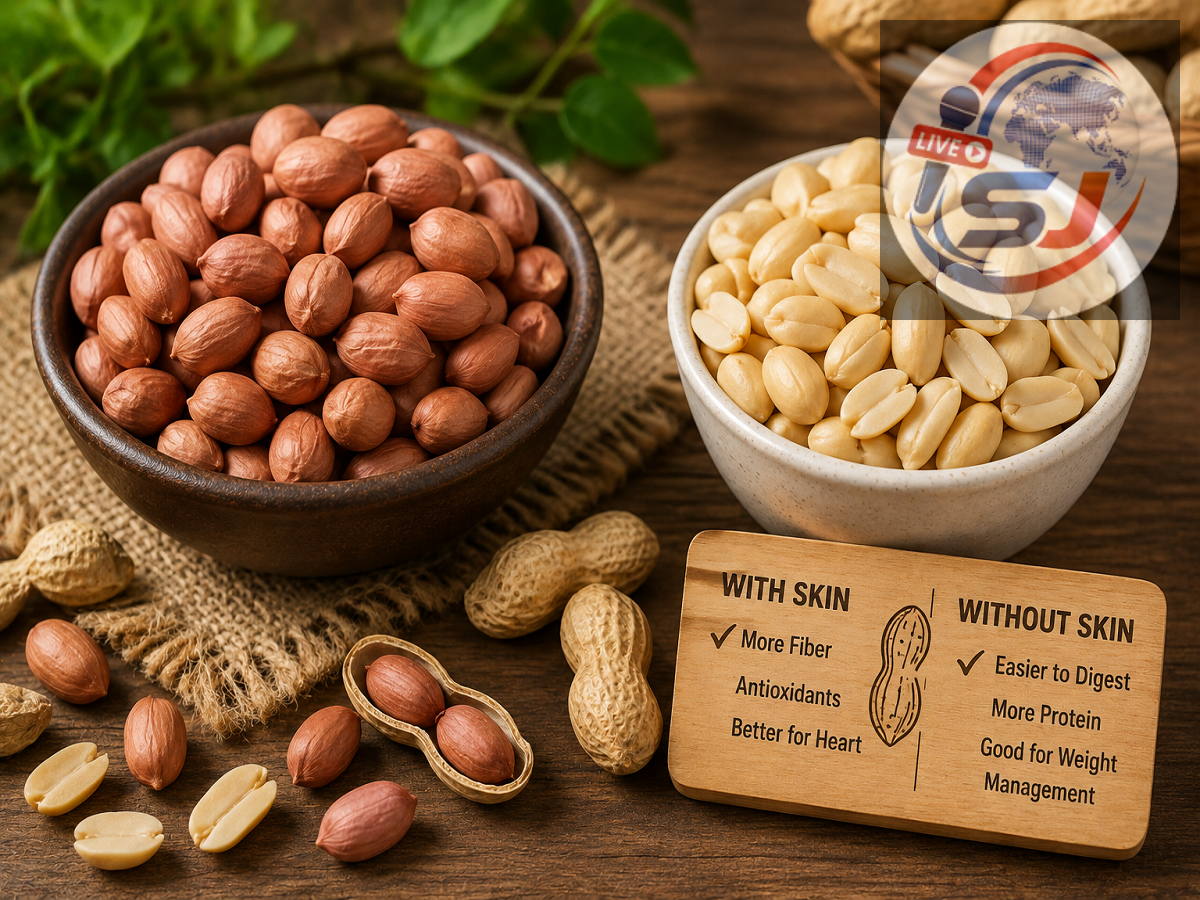
Peanuts are a popular everyday snack because they are affordable, filling and packed with several important nutrients. They can be eaten roasted, boiled, added to salads and dishes, or simply enjoyed as a quick snack between meals. But there is one question many people have while eating them: should you remove the thin reddish-brown skin or eat peanuts with the skin intact?
Both options can be part of a healthy diet. Removing the skin does not take away the protein and healthy fats that make peanuts nutritious. However, keeping the skin may provide some additional plant compounds and fibre.
Understanding the nutritional differences can help you decide which option works better for your diet and digestive comfort.
Why Are Peanuts Considered Nutrient-Dense?
Despite commonly being grouped with nuts, peanuts are technically legumes. Nutritionally, however, they share several characteristics with tree nuts and provide a combination of protein, fats, fibre, vitamins and minerals.
Peanuts contain plant-based protein, making them particularly useful for people looking to increase their protein intake through vegetarian food sources.
They also provide predominantly unsaturated fats, along with several micronutrients needed for normal body functions.
Some of the key nutrients found in peanuts include:
-
Protein: Supports the maintenance and repair of body tissues and muscles.
-
Unsaturated fats: Can form part of a heart-friendly diet when they replace foods high in saturated or trans fats.
-
Dietary fibre: Supports digestive health and may contribute to a feeling of fullness.
-
Vitamin E: An antioxidant nutrient that helps protect cells from oxidative damage.
-
Magnesium: Plays a role in muscle, nerve and several metabolic functions.
-
Phosphorus and other minerals: Contribute to various processes throughout the body.
Because peanuts contain protein, fat and fibre together, a modest serving can also be quite satisfying.
What Is Special About the Thin Peanut Skin?
The reddish or brown covering around a peanut kernel may appear insignificant, but it contains naturally occurring plant compounds.
Peanut skins contain polyphenols and other antioxidant compounds. These substances have attracted nutritional interest because antioxidants help counter oxidative processes in the body.
This does not mean that peanut skins should be treated as a medicine or that eating them can prevent diseases. Instead, they can simply provide an additional nutritional component when peanuts are consumed as part of an overall balanced diet.
Eating Peanuts With Skin May Provide More Antioxidants
One of the main reasons to retain peanut skin is its antioxidant content.
Plant-derived compounds, including different polyphenols, are concentrated in the skin. Removing the skin therefore means losing at least some of these compounds.
If you enjoy the taste and texture and have no digestive discomfort, eating peanuts with their natural skin can be an easy way to consume these additional plant nutrients without changing your diet significantly.
The Skin Can Add a Little More Fibre
Another advantage of leaving the skin intact is dietary fibre.
The peanut kernel itself already contains fibre, so peeled peanuts are not fibre-free. However, the outer skin contributes additional fibre.
Dietary fibre plays an important role in digestive health. It helps support normal bowel function and can contribute to satiety, which may make it easier to control unnecessary snacking.
A fibre-rich diet can also support the gut microbiome, although overall dietary patterns matter much more than any single food.
What About Blood Sugar?
Peanuts generally contain relatively little carbohydrate compared with many common snack foods while supplying fat, protein and fibre.
These characteristics can make them a more filling snack than many highly refined carbohydrate options.
The additional fibre from the skin may provide a small nutritional advantage. However, it would be misleading to suggest that simply eating peanut skins will control blood sugar.
People with diabetes or other conditions affecting blood glucose should consider their overall diet, portion size and medical guidance rather than depending on one food.
Are Peeled Peanuts Less Healthy?
Not necessarily.
If you dislike the slightly bitter or dry texture of peanut skin, removing it does not make the peanut nutritionally worthless.
Peeled peanuts still provide protein, unsaturated fats, fibre, vitamins and minerals. The primary difference is that removing the outer covering can reduce some of the fibre and antioxidant compounds associated with the skin.
Therefore, choosing peeled peanuts can still be a nutritious option, particularly for people who find the skin unpleasant or difficult to digest.
The more important consideration may be how the peanuts are prepared.
Roasted, Salted or Fried: Which Peanuts Should You Choose?
The healthiest way to eat peanuts is not determined solely by whether the skin is present.
Plain or dry-roasted peanuts can be a practical everyday choice. Heavily salted varieties can substantially increase sodium intake, while peanuts fried in additional oil may add unnecessary calories depending on the preparation method.
Flavoured packaged varieties can also contain substantial quantities of salt, sugar, coatings or other ingredients.
Checking the ingredient and nutrition labels can therefore be more useful than focusing only on whether the peanut skin has been removed.
Portion Size Matters Because Peanuts Are Calorie-Dense
Peanuts are nutritious, but they are also energy-dense because of their fat content.
That means eating large quantities can add a significant number of calories to the diet. A small portion can provide protein, healthy fats and fibre while still helping keep overall calorie intake under control.
Eating directly from a large packet can make it easy to consume more than intended. Serving a modest portion separately may help with portion awareness.
Who Should Be Careful With Peanuts?
Peanuts are not suitable for everyone.
Anyone with a known peanut allergy should avoid peanuts and follow the advice given by their healthcare professional. Peanut allergy can cause serious and potentially life-threatening reactions in some individuals.
People who experience digestive discomfort after eating peanut skins may also prefer peeled peanuts.
Additionally, individuals who have been advised to restrict sodium should pay particular attention to salted peanut products.
So, Should You Eat Peanuts With the Skin?
For most people who tolerate them comfortably, eating peanuts with the thin reddish-brown skin intact can offer a small nutritional advantage because the skin provides additional fibre and antioxidant plant compounds.
However, peeled peanuts remain nutritious and continue to provide protein, unsaturated fats and several important micronutrients.
Rather than worrying excessively about the skin, focus on the bigger picture: choose plain or lightly roasted peanuts, limit heavily salted or fried varieties and keep portions reasonable.
Ultimately, the healthiest option is one that fits comfortably into a varied and balanced diet.
Disclaimer: This article provides general nutritional information and should not be considered medical advice. People with peanut allergies, diabetes, digestive conditions or other health concerns should follow personalised advice from a qualified healthcare professional.