
Mouth Ulcer Not Healing? 5 Warning Signs of Oral Cancer You Should Never Ignore
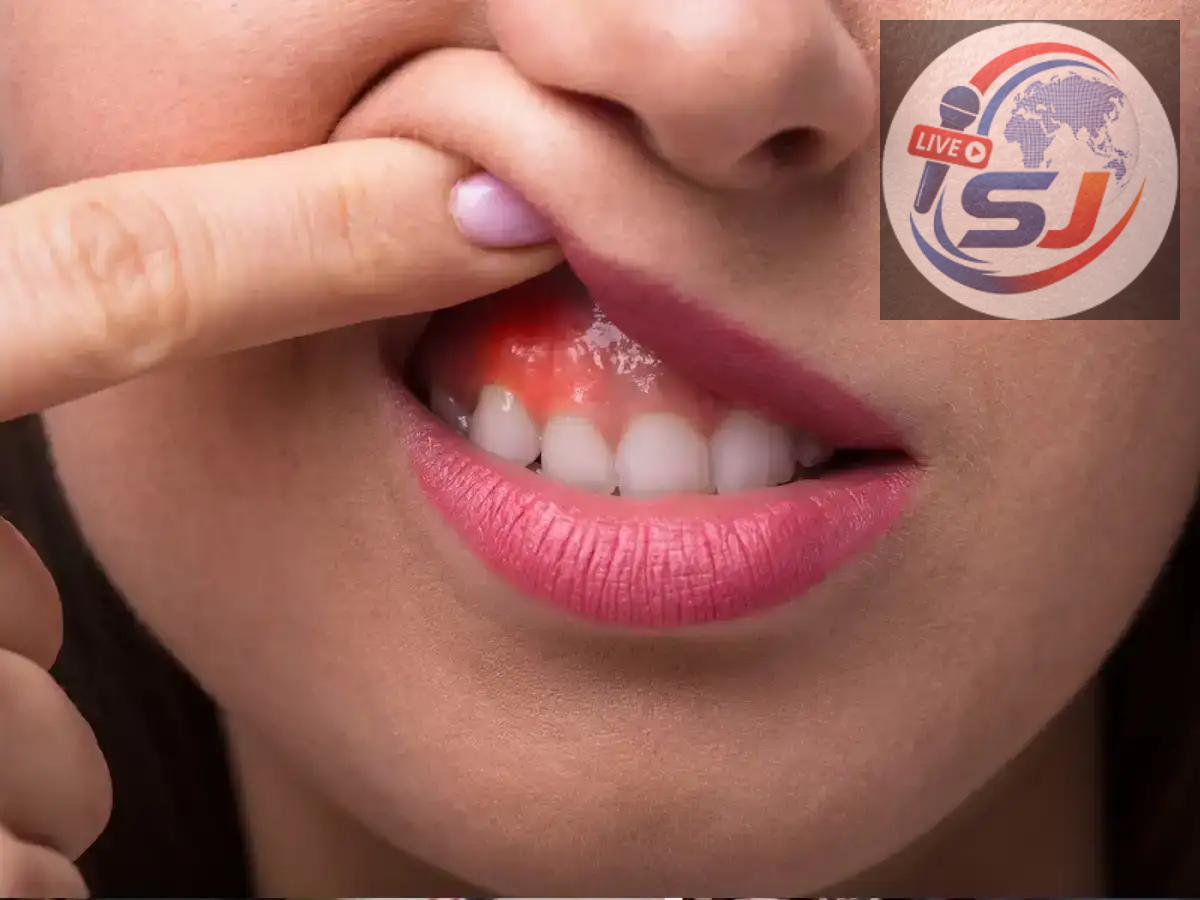
Mouth ulcers are extremely common. They can develop after accidentally biting the inside of the cheek, irritation from a sharp tooth, dental appliances, certain foods, stress or other relatively minor causes. In many cases, an ordinary mouth ulcer improves and heals within about one to two weeks.
But what if a sore on your tongue, lips, gums or elsewhere inside your mouth simply does not go away?
A persistent mouth ulcer does not automatically mean oral cancer. However, a sore that remains for an unusually long time, repeatedly returns in the same area or is accompanied by other unexplained changes deserves medical attention.
Recognizing unusual changes in the mouth and seeking professional evaluation early can be important. Here are five warning signs that should not simply be ignored.
1. A Mouth Ulcer That Doesn't Heal
One of the most important changes to watch is a persistent sore or ulcer.
Ordinary mouth ulcers generally improve over time. If a lesion remains present for weeks instead of healing normally, it should be examined by a healthcare professional.
The concern becomes greater when the ulcer appears to be getting larger, repeatedly bleeds or changes in appearance.
However, persistence alone cannot establish whether an ulcer is cancerous.
Several non-cancerous conditions can also cause prolonged mouth sores. A dentist or doctor needs to examine the affected area and determine whether further investigation is necessary.
The practical rule is simple: don't keep ignoring a mouth ulcer that refuses to heal.
2. An Unusual Lump or Thickened Area Inside the Mouth
Another change worth paying attention to is an unexplained lump, swelling or thickening inside the mouth.
You may notice that one part of your cheek, tongue, gum or another area feels different from the surrounding tissue.
A lump does not necessarily indicate cancer. Dental infections, irritation and several other conditions can produce swelling or changes in oral tissues.
But if a lump persists, grows or has no obvious explanation, professional examination is advisable.
Regularly paying attention to changes in your mouth can make it easier to notice when something feels different.
3. Persistent Pain or Discomfort
Occasional mouth pain is common and can occur for many reasons.
A tooth problem, gum inflammation, an accidental injury or a mouth ulcer can all cause temporary discomfort.
What deserves more attention is persistent or worsening pain without an obvious explanation.
Pain may occur in the mouth or throat and can sometimes become more noticeable while eating, speaking or swallowing.
Again, pain by itself does not prove oral cancer.
The important issue is persistence. If the discomfort continues instead of improving, especially alongside a non-healing ulcer, lump or visible tissue change, it should be evaluated.
4. Difficulty Chewing or Swallowing
Eating should not suddenly become difficult without a reason.
If you begin experiencing persistent difficulty while chewing food or swallowing, don't simply adjust your diet and ignore the problem.
Difficulty swallowing can have numerous causes, many of which are unrelated to cancer. Nevertheless, an unexplained and continuing change in swallowing or chewing warrants medical assessment.
Pay particular attention if the problem occurs together with persistent throat discomfort, a mouth lesion or another unusual change.
A healthcare professional can assess whether the problem originates from the mouth, throat, teeth or another condition.
5. Red or White Patches and Unexplained Bleeding
Visible changes inside the mouth can also provide useful warning signs.
Look out for unexplained red or white patches, particularly if they persist rather than disappearing.
Unexplained bleeding from an area inside the mouth should also not be repeatedly ignored.
There are many possible causes for these changes. Gum disease, infection, irritation and dental problems are among the conditions that can cause redness, white areas or bleeding.
However, persistent patches or unexplained bleeding should be assessed professionally, especially if they occur alongside another warning sign.
Where Can Oral Cancer Develop?
Oral cancer can involve different areas of the mouth rather than appearing in only one location.
Changes may potentially occur on the tongue, lips, gums, inside the cheeks, floor or roof of the mouth, or other tissues in and around the oral cavity.
This is why it is useful to pay attention to your entire mouth rather than only checking the lips or tongue.
Dentists can also play an important role in identifying suspicious oral changes during routine examinations.
A Persistent Ulcer Does Not Automatically Mean Cancer
This point is essential.
If you discover a mouth ulcer that has lasted longer than expected, there is no reason to immediately conclude that you have oral cancer.
Most mouth ulcers and many other oral changes have non-cancerous explanations.
The purpose of recognizing warning signs is not to diagnose yourself. It is to identify changes that may require professional evaluation.
Only an appropriate medical or dental assessment—and additional tests when considered necessary—can determine the cause of a persistent lesion.
When Should You See a Doctor or Dentist?
If a mouth ulcer is not healing within the expected period, particularly if it continues for a few weeks, arrange an examination rather than repeatedly treating it at home.
You should also seek professional advice for persistent lumps, unexplained red or white patches, unusual bleeding, continuing mouth or throat pain, or difficulty chewing or swallowing.
Symptoms that are worsening or occurring together deserve particular attention.
If a healthcare professional considers a lesion suspicious, they can recommend the appropriate next steps.
Don't Rely Only on Home Remedies
People commonly use salt-water rinses or other home remedies for minor mouth ulcers.
These measures may provide temporary comfort in some situations, but they should not become a reason to delay evaluation of a persistent lesion.
If a sore keeps returning in the same location or fails to heal, repeatedly applying home remedies without identifying the underlying cause may delay appropriate treatment.
Similarly, avoid assuming that an ulcer is harmless simply because it is not very painful. A professional assessment is more reliable than judging a lesion only by how much it hurts.
Reducing Oral Cancer Risk Matters Too
Awareness of symptoms is only one part of protecting oral health.
Avoiding tobacco is particularly important. Tobacco can be consumed in several forms, including cigarettes, bidis and smokeless products.
Chewing tobacco products should not be considered a safer alternative to smoking.
Regular dental examinations can also help identify oral health problems that may otherwise remain unnoticed.
Good oral hygiene and prompt attention to persistent changes are sensible preventive habits.
Five Signs to Remember
The major warning signs discussed here can be remembered easily:
-
A mouth ulcer that does not heal
-
An unexplained lump or thickening inside the mouth
-
Persistent or worsening mouth or throat pain
-
Difficulty chewing or swallowing
-
Persistent red or white patches or unexplained bleeding
None of these symptoms, individually or together, provides a cancer diagnosis.
They are reasons to consider professional evaluation, particularly when they persist.
Final Takeaway
Most mouth ulcers are temporary and heal without becoming a serious problem. However, a sore that remains for weeks, repeatedly returns or appears alongside other unusual oral changes should not be ignored.
Persistent lumps, unexplained pain, difficulty chewing or swallowing, red or white patches and unexplained bleeding are among the changes worth discussing with a doctor or dentist.
The presence of any of these symptoms does not mean you definitely have oral cancer. Many other conditions can cause similar symptoms.
The important message is to avoid self-diagnosis in either direction. Don't assume every ulcer is cancer, but don't assume a persistent one is harmless either.
If something in your mouth looks or feels unusual and is not improving, getting it professionally examined is the safer approach.