
Monsoon Diet Tips: 5 Vegetables That Need Extra Care During the Rainy Season
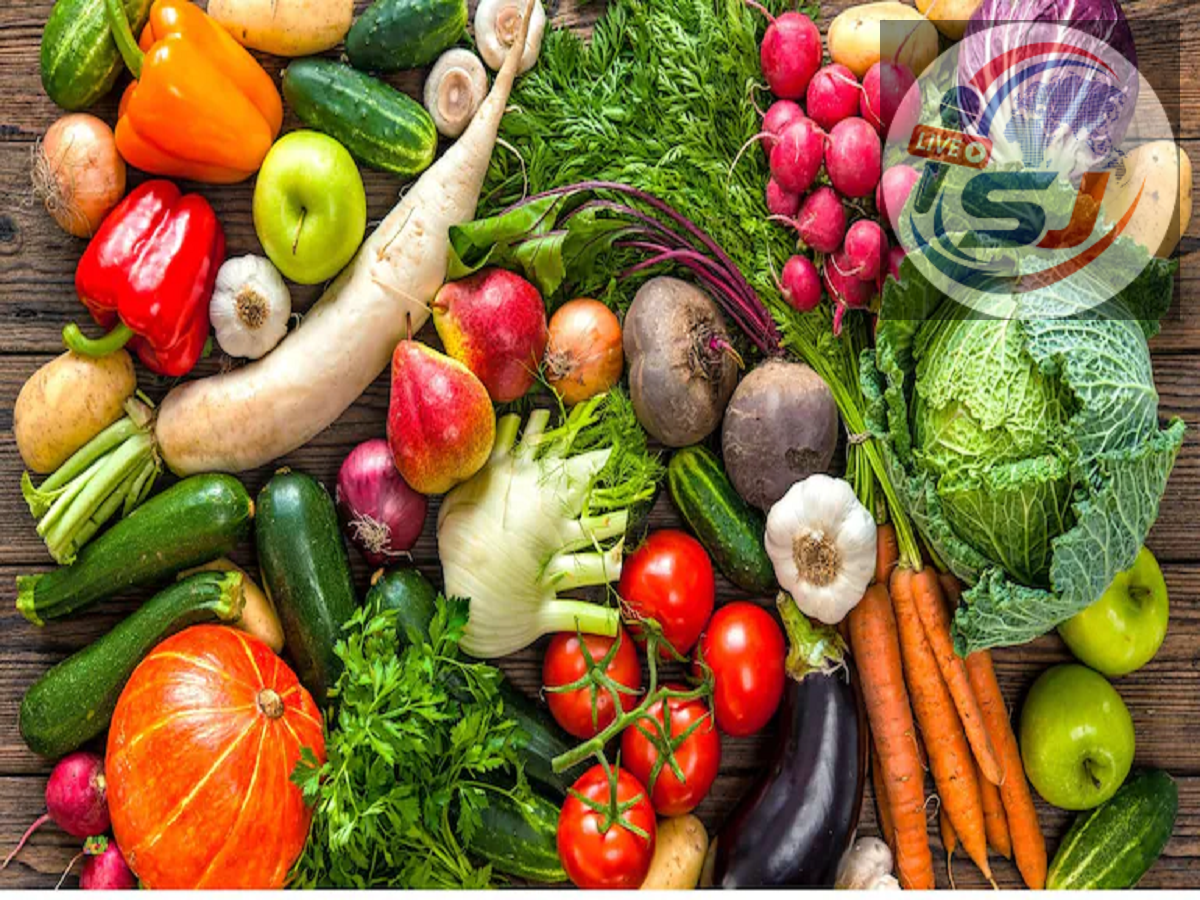
The arrival of the monsoon brings fresh produce to local markets, but the increased humidity also creates favorable conditions for bacteria, fungi, and insects to grow. While vegetables remain an essential part of a healthy diet, certain varieties require extra attention during the rainy season because they can spoil faster or harbor hidden contaminants.
Health experts advise that there is no need to avoid vegetables altogether during the monsoon. Instead, consumers should focus on buying fresh produce, washing it thoroughly, and cooking it properly to reduce the risk of foodborne illnesses.
Here are five vegetables that deserve extra care during the rainy season, along with practical tips for handling them safely.
Why Monsoon Calls for Extra Food Safety Measures
Heavy rainfall and high humidity can affect the quality of fresh vegetables during transportation, storage, and display at markets. Moist conditions encourage the growth of microorganisms, while mud and standing water can increase contamination risks.
Some vegetables also have multiple layers or dense structures where insects, dirt, and moisture can remain trapped even when the outer surface looks clean.
Proper washing and cooking can significantly reduce these risks.
1. Leafy Greens Can Retain Dirt and Moisture
Leafy vegetables such as:
-
Spinach
-
Fenugreek leaves
-
Coriander
-
Lettuce
are among the most commonly consumed greens, but they also require careful cleaning during the monsoon.
Their broad leaves can trap soil, moisture, insects, and microorganisms between folds. Excess humidity may also encourage fungal growth if the vegetables are stored improperly.
Before cooking, separate the leaves and rinse them thoroughly under running water. Washing them multiple times helps remove dirt and other contaminants more effectively.
2. Cabbage May Hide Insects Between Its Layers
Cabbage has tightly packed leaves that can conceal tiny insects, dirt particles, and moisture.
During the rainy season, the chances of fungal growth also increase if the vegetable is stored in damp conditions for extended periods.
When purchasing cabbage, check that the outer leaves are fresh and firm. Before cooking, remove the outer layers and wash the remaining head carefully.
3. Cauliflower Needs Thorough Cleaning Before Cooking
Cauliflower is another vegetable that requires extra attention during the monsoon.
Its compact florets can easily trap tiny insects that are difficult to notice at first glance. Increased humidity may further increase the likelihood of insect infestation.
To clean cauliflower properly, separate the florets and rinse them thoroughly. Many people also soak the florets in salted water for a short period before cooking, which may help remove hidden insects.
4. Mushrooms Spoil Quickly in Humid Weather
Mushrooms naturally contain a high amount of moisture, making them more susceptible to spoilage.
Warm and humid weather can accelerate bacterial and fungal growth, reducing their shelf life. For this reason, mushrooms should always be purchased from reliable vendors and consumed as soon as possible.
Avoid buying mushrooms that appear slimy, discolored, or have an unpleasant odor, as these may be signs of spoilage.
5. Brinjal (Eggplant) May Contain Hidden Insects
Brinjal is another vegetable that may require careful inspection during the rainy season.
Although it may appear fresh from the outside, insects can sometimes damage the vegetable internally without visible external signs.
Before cooking, cut the brinjal open and examine the inside carefully. If you notice insect damage or discoloration, it is best to discard the affected portion.
Tips to Handle Vegetables Safely During the Monsoon
Simple precautions can help reduce the risk of contamination while preserving the nutritional value of vegetables.
-
Buy vegetables that look fresh, firm, and free from visible damage.
-
Wash all vegetables thoroughly under clean running water.
-
Soak vegetables in salt water or a diluted vinegar solution for 15–20 minutes before cooking, if appropriate.
-
Avoid consuming raw vegetables during the rainy season unless they have been cleaned properly.
-
Cook vegetables thoroughly, as heat helps reduce harmful microorganisms.
Better Vegetable Choices During the Rainy Season
Some seasonal vegetables generally perform better during the monsoon and are commonly preferred for home-cooked meals.
These include:
-
Bottle gourd (Lauki)
-
Ridge gourd (Turai)
-
Pumpkin
-
Ash gourd (Petha)
When selected fresh and cooked properly, these vegetables can be a suitable addition to a balanced monsoon diet.
A Balanced Approach to Monsoon Nutrition
The rainy season does not mean vegetables should be eliminated from your meals. They remain an important source of vitamins, minerals, dietary fiber, and antioxidants. The key is to pay greater attention to food hygiene and proper preparation.
Choosing fresh produce, inspecting vegetables carefully, washing them thoroughly, and cooking them properly can help lower the risk of foodborne infections while allowing you to continue enjoying a nutritious diet throughout the monsoon.
Following these simple food safety practices can go a long way in protecting your health during the rainy season.