
How to Use Alum for Hair: A Simple Home Remedy That May Help Reduce Hair Fall and Dandruff
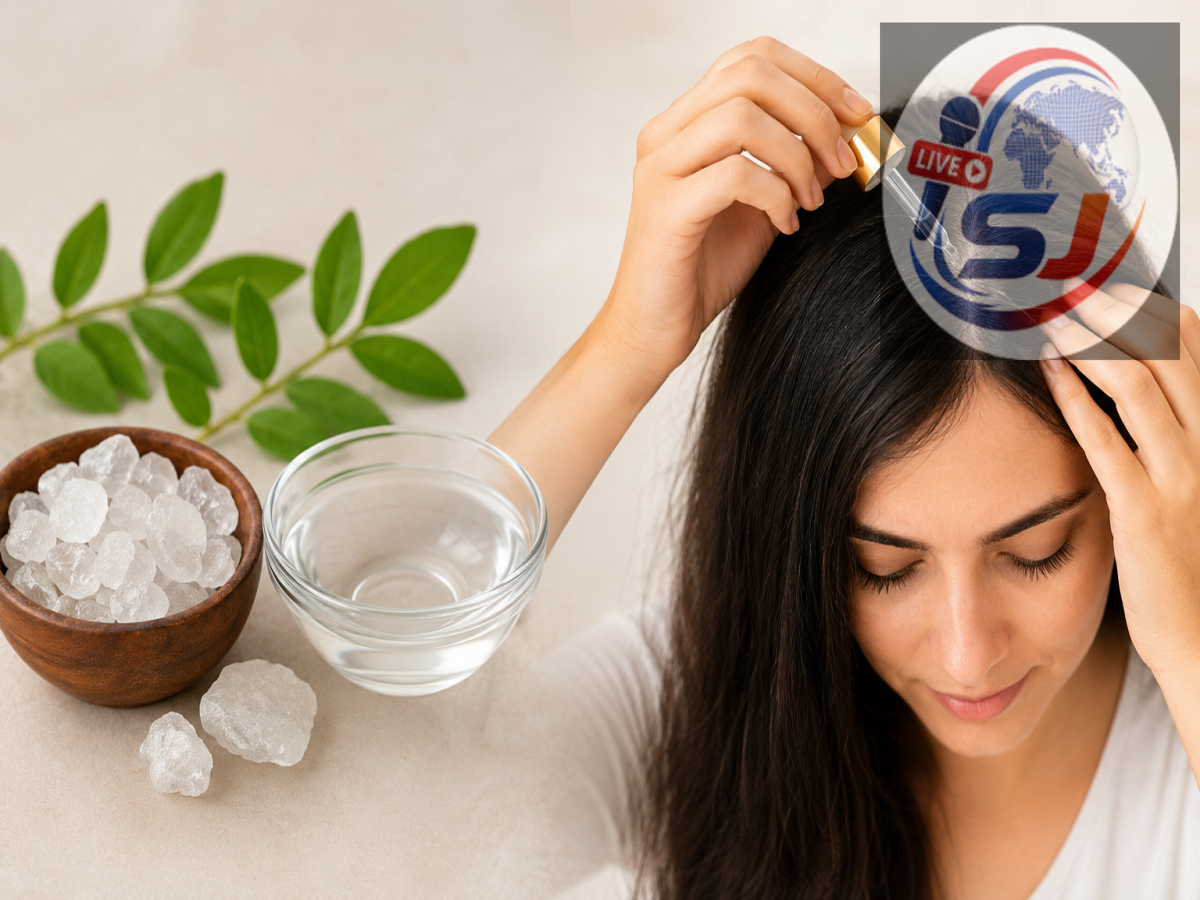
Alum is widely used in traditional home care routines for scalp hygiene. Here's how it can be applied safely and what benefits it may offer.
Hair fall and dandruff are among the most common hair concerns, affecting people across different age groups. While several shampoos and hair treatments are available, many people also turn to traditional home remedies for additional scalp care. One such remedy is alum (Fitkari), which has been used for generations for its cleansing and antimicrobial properties.
Although alum is often believed to help maintain scalp hygiene and reduce dandruff, scientific evidence supporting its effectiveness for hair growth or hair fall prevention is limited. If used correctly and in moderation, it may help keep the scalp clean and create a healthier environment for hair.
Can Alum Help Reduce Hair Fall?
Alum is known for its antibacterial and astringent properties, which may help remove excess oil, dirt, and impurities from the scalp. A cleaner scalp can support overall hair health and may reduce issues caused by buildup.
However, hair fall can occur due to several reasons, including:
-
Nutritional deficiencies
-
Hormonal changes
-
Stress
-
Genetics
-
Medical conditions
-
Scalp infections
Since alum does not address these underlying causes, it should not be considered a standalone treatment for hair loss.
May Help Control Dandruff
One of the commonly claimed benefits of alum is its ability to reduce dandruff by helping maintain scalp cleanliness.
When combined with a regular hair-care routine, alum may help:
-
Remove excess oil from the scalp
-
Reduce scalp buildup
-
Improve scalp hygiene
-
Minimise itchiness associated with dandruff in some people
If dandruff is severe or persistent, consulting a dermatologist is recommended, as it could be caused by fungal infections or other skin conditions.
How to Use Alum on Hair
If you wish to include alum in your hair-care routine, use it carefully to avoid scalp irritation.
Method 1: Alum Water Rinse
-
Dissolve a small piece of alum in clean water.
-
Let the solution sit until the alum completely dissolves.
-
Wash your hair with a mild shampoo.
-
Pour the alum water gently over your scalp.
-
Massage lightly for 2–3 minutes.
-
Rinse thoroughly with plain water.
Method 2: Alum and Rose Water
Some people mix finely powdered alum with a small amount of rose water to prepare a light scalp application.
-
Apply gently to the scalp.
-
Leave it on for a few minutes.
-
Wash thoroughly with water.
Avoid leaving alum on the scalp for long periods, as excessive use may lead to dryness.
Precautions Before Using Alum
Before trying alum on your scalp, keep these safety tips in mind:
-
Always perform a patch test before first use.
-
Avoid applying alum on cuts, wounds, or irritated skin.
-
Do not use it excessively, as it may dry out the scalp.
-
If you experience burning, redness, itching, or irritation, discontinue use immediately.
-
People with sensitive skin should consult a healthcare professional before using home remedies.
Other Ways to Maintain Healthy Hair
Along with proper scalp care, healthy hair depends on overall lifestyle habits. Experts recommend:
-
Eating a balanced diet rich in protein, iron, zinc, and vitamins.
-
Staying hydrated.
-
Washing hair regularly with a suitable shampoo.
-
Avoiding excessive heat styling and harsh chemical treatments.
-
Managing stress through regular exercise and adequate sleep.
The Bottom Line
Alum is a traditional home remedy that may help improve scalp cleanliness and reduce dandruff in some individuals. While it may support a healthier scalp environment, there is no strong scientific evidence that alum alone can stop hair fall or promote significant hair growth.
For persistent hair loss, severe dandruff, or other scalp concerns, seeking advice from a dermatologist remains the most reliable approach.
Disclaimer: This article is intended for informational purposes only and should not be considered medical advice. Always consult a qualified healthcare professional before trying any home remedy, especially if you have an existing scalp or skin condition.