
How Early Should You Reach the Airport? Why Arriving Ahead of Your Flight Can Save You Trouble
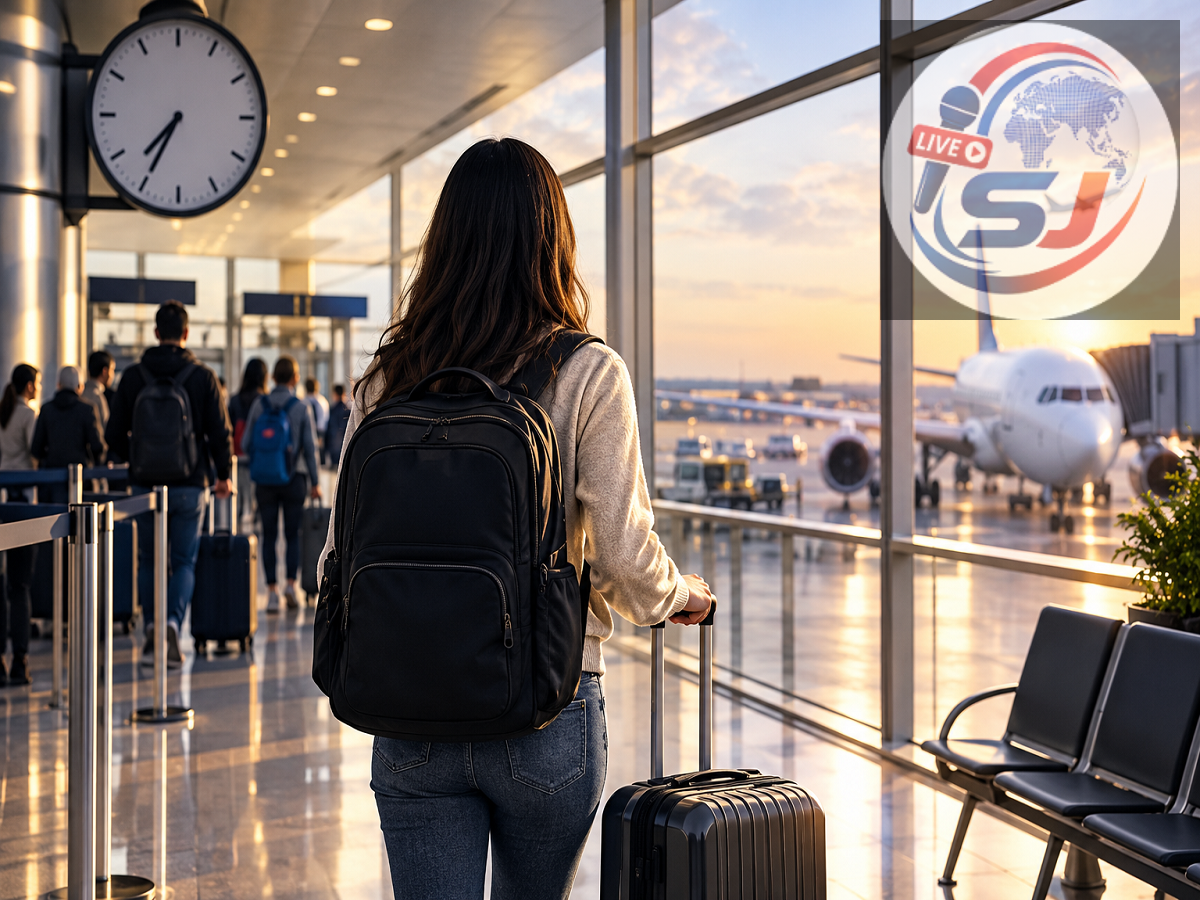
Planning to catch a flight involves much more than simply reaching the airport before the departure time printed on your ticket. Many travellers assume that if their flight is scheduled for 3 PM, arriving at the terminal around 2 PM should leave enough time. However, this approach can easily lead to a stressful rush—or even a missed flight.
Once you enter an airport, several steps may stand between you and your boarding gate. Check-in, baggage drop, security screening and walking to the assigned gate can all take time. At larger airports, simply travelling from one section of the terminal to another may add several minutes to the journey.
This is why keeping a comfortable time buffer before a flight can make air travel much smoother, particularly during holidays, weekends and other busy travel periods.
Departure Time Is Not the Same as Boarding Time
One of the most important things passengers should understand is the difference between departure and boarding.
The departure time shown on your ticket refers to the scheduled time associated with the flight's departure. Passengers, however, are expected to complete the necessary airport formalities and reach the boarding gate well before then.
Boarding generally takes place before the scheduled departure, and airlines may close boarding gates ahead of the flight's departure time. Arriving at the airport based solely on the departure time can therefore leave very little room for delays.
Passengers should carefully check their airline's instructions for check-in, baggage acceptance, boarding and gate-closing deadlines.
Check-In and Baggage Drop Can Add to Your Wait
Online check-in can save time, but it does not necessarily mean you can immediately head to the boarding gate.
Travellers carrying checked baggage usually still need to visit the airline's baggage-drop counter. During busy periods, queues at check-in and baggage counters can become considerably longer.
Families travelling with several bags, passengers requiring assistance or travellers who need document verification may also require additional time at the counter.
Keeping extra time in hand becomes particularly important when travelling with checked luggage.
Airport Security Queues Can Be Unpredictable
Security screening is another major reason not to arrive at the last minute.
The time required to clear security can vary considerably depending on passenger traffic, the number of screening lanes operating and the time of day. Airports may become especially crowded during morning and evening travel peaks, weekends, festivals and holiday seasons.
Passengers can make the process smoother by preparing their belongings according to applicable airport and airline rules. Keeping items that may require separate screening easily accessible can prevent unnecessary delays while going through security.
Your Boarding Gate May Be Far Away
Clearing security does not necessarily mean that the difficult part is over.
Modern airports can have large terminals with boarding gates located a significant distance from security checkpoints. Depending on the airport and terminal, reaching the gate could involve long corridors, moving walkways, buses, shuttle services or internal transit systems.
Gate assignments can also change, making it important to keep checking airport information screens and airline notifications.
Once your gate number is confirmed, consider how long it may take to reach it rather than assuming it is only a short walk away.
Traffic Can Disrupt Even a Carefully Planned Journey
Your airport journey begins well before you enter the terminal.
Traffic congestion, delayed taxis, road diversions, parking queues or unexpected transportation problems can quickly consume the time you thought you had available.
For example, a journey that normally takes 40 minutes could take considerably longer during rush hour or bad weather. Leaving home with an adequate buffer helps protect your travel plans against such unexpected delays.
International Flights Usually Require More Preparation
Passengers travelling internationally may need additional time compared with those taking domestic flights.
International journeys can involve document checks, immigration procedures, baggage formalities and other requirements depending on the airport and destination.
Instead of relying on one universal arrival-time rule, passengers should check the latest guidance issued by their airline and departure airport. Recommended reporting times and counter-closing deadlines can differ between airlines, airports and destinations.
Arriving Early Can Make the Journey Less Stressful
Reaching the airport comfortably ahead of time is not only about avoiding a missed flight. It can also make the entire travel experience more relaxed.
Once check-in and security procedures are complete, passengers have time to locate their gate, use the restroom, refill or purchase water where permitted, grab something to eat, make an important call or simply sit down before boarding.
Compare that with arriving late, rushing through the terminal and constantly checking the clock. A small time buffer can make a noticeable difference to how your journey begins.
How Early Should You Plan to Reach the Airport?
There is no single arrival time that works for every passenger or every airport. The right buffer depends on whether you are flying domestically or internationally, whether you have checked baggage, airport size, expected traffic and the airline's reporting requirements.
Busy travel dates may require even more preparation.
The safest approach is to check your airline's latest check-in and boarding instructions before leaving home and plan your journey backwards from those deadlines—not simply from the scheduled departure time.
Bottom Line
Getting to the airport early may sometimes mean spending a little extra time waiting, but that is usually far better than dealing with the consequences of arriving too late.
From traffic and baggage queues to security screening and long walks to the boarding gate, several factors can unexpectedly delay passengers. Building sufficient time into your travel plan gives you a cushion when something does not go as expected.
Before your next flight, check the airline's reporting requirements, estimate your travel time to the airport and keep a reasonable buffer for unforeseen delays. A little extra planning can turn a rushed airport experience into a much smoother start to your journey.