
Heart Failure Warning Signs: 5 Symptoms You Should Never Ignore, From Breathlessness to Swelling
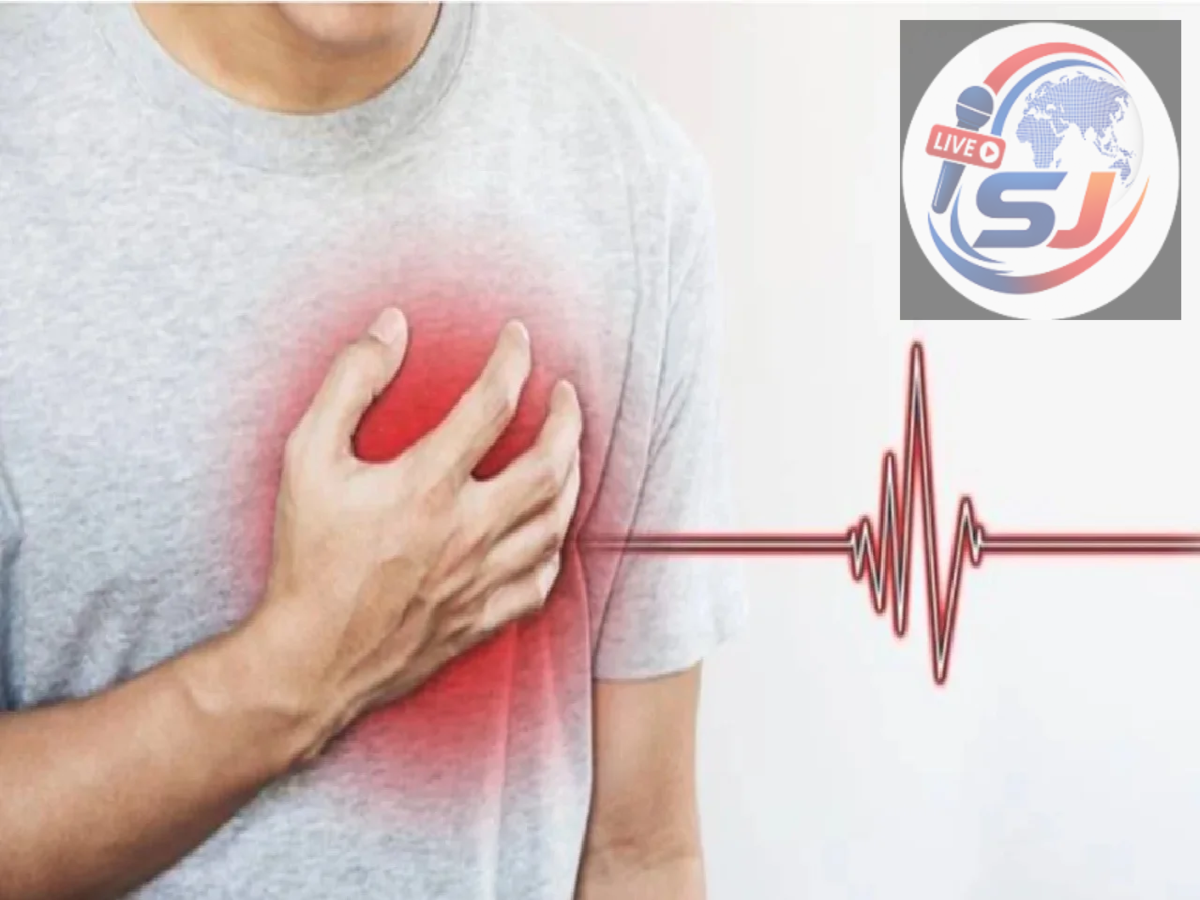
Heart Failure Symptoms: Heart failure is a serious condition in which the heart is unable to pump blood efficiently enough to meet the body's needs. When this happens, organs, muscles and other tissues may not receive adequate oxygen-rich blood, while fluid can also build up in different parts of the body.
The condition does not necessarily mean that the heart has completely stopped working. Instead, its pumping or filling ability has become impaired.
Symptoms can develop gradually in some people, while others may experience a sudden worsening of an existing heart condition. Recognising concerning changes and seeking timely medical care can therefore be important.
Here are five symptoms commonly associated with heart failure or worsening heart function that should not be ignored.
1. Shortness of Breath
Breathlessness is one of the most commonly recognised symptoms associated with heart failure.
A person may initially notice difficulty breathing while walking, climbing stairs or performing other routine physical activities. As the condition becomes more severe, breathlessness may occur even with minimal activity or while resting.
When the heart cannot pump blood effectively, pressure can increase in the circulation around the lungs and fluid may accumulate, making breathing more difficult.
Some people may also notice that breathing becomes uncomfortable when lying flat or that they need additional pillows to sleep comfortably.
Persistent or unexplained shortness of breath should not simply be dismissed as tiredness, particularly when it is new, worsening or accompanied by other symptoms.
2. Unusual Fatigue and Weakness
Feeling exhausted after a long or physically demanding day can be normal. However, persistent or unexplained fatigue during activities that were previously easy may deserve attention.
When the heart's pumping capacity is reduced, muscles and other tissues may receive less oxygen-rich blood during activity. As a result, even everyday tasks can feel unusually tiring.
A person may notice difficulty completing household chores, walking their usual distance or performing other activities without needing frequent breaks.
Fatigue alone can have many possible causes and does not automatically indicate heart failure. But when it appears together with breathlessness, swelling or other cardiovascular symptoms, medical evaluation may be appropriate.
3. Sudden or Severe Breathing Difficulty Needs Urgent Attention
Breathing problems should be taken especially seriously when they become severe or appear suddenly.
Severe shortness of breath at rest, rapidly worsening breathing difficulty, fainting, severe weakness, chest pain or blue or grey lips can indicate a medical emergency.
Such symptoms should not be managed by waiting at home to see whether they improve.
Emergency medical assistance should be sought promptly, particularly if the person has an existing heart condition or the symptoms are intense and unfamiliar.
Importantly, there is no single “third symptom” that reliably predicts that heart failure is only hours away. The urgency depends on the severity and combination of symptoms.
4. Swelling in the Feet, Ankles or Legs
Fluid retention is another important symptom that can occur with heart failure.
When circulation is affected, fluid may accumulate in the lower parts of the body. This can cause swelling around the feet, ankles or legs.
Some people may notice that their shoes feel tighter than usual or that pressing the swollen skin briefly leaves an indentation.
Fluid retention can also contribute to relatively rapid weight gain over a short period.
However, swollen legs can occur for many reasons other than heart failure. Persistent or increasing swelling should therefore be assessed by a healthcare professional rather than self-diagnosed.
5. Rapid or Irregular Heartbeat
Some people with heart failure may experience a faster-than-usual heartbeat, palpitations or the sensation that the heart is racing or beating irregularly.
The heart may attempt to compensate for reduced pumping efficiency by beating faster.
Palpitations can have many causes, but they deserve medical attention when they are new, frequent or accompanied by dizziness, fainting, chest discomfort or shortness of breath.
A healthcare professional may recommend tests to determine whether the symptoms are related to the heart or another condition.
Heart Failure Can Affect Pumping or Filling
Heart failure is not a single uniform condition.
In some forms, the heart's ability to contract and pump blood effectively is reduced. In others, the heart muscle may become stiff, interfering with the heart's ability to fill properly between beats.
Doctors use clinical evaluation and tests such as an echocardiogram to determine the type and severity of heart failure and guide treatment.
Because symptoms can overlap with lung disease, anaemia, kidney problems and several other conditions, diagnosis should always be made by a qualified healthcare professional.
When Should You Seek Emergency Medical Help?
Not every episode of tiredness or breathlessness means someone has heart failure. However, certain symptoms require urgent attention.
Seek emergency medical care for severe or sudden shortness of breath, chest pain or pressure, fainting, severe breathing difficulty at rest, confusion, or blue/grey lips or skin.
People who already have heart disease or heart failure should also contact their healthcare team if they notice a significant worsening of their usual symptoms, increasing swelling or unexpected rapid weight gain.
Don't Rely on a Fixed “Few Hours Before Heart Failure” Timeline
It is important to avoid assuming that five particular symptoms will always appear a specific number of hours before heart failure.
Heart failure may be chronic and progress over months or years. In other situations, symptoms can worsen rapidly and require emergency treatment.
Breathlessness, persistent fatigue, swelling and abnormal heartbeats can be warning signs, but they are not a precise countdown to a cardiac emergency.
The safest approach is to pay attention to new, unexplained or rapidly worsening symptoms and seek professional medical advice instead of waiting for additional warning signs to appear.
Early assessment can help doctors identify the underlying cause and determine whether treatment is needed.