
First Oral PCSK9 Drug Approved in US, Cholesterol Pill Cuts LDL by Up to 59% in Trials
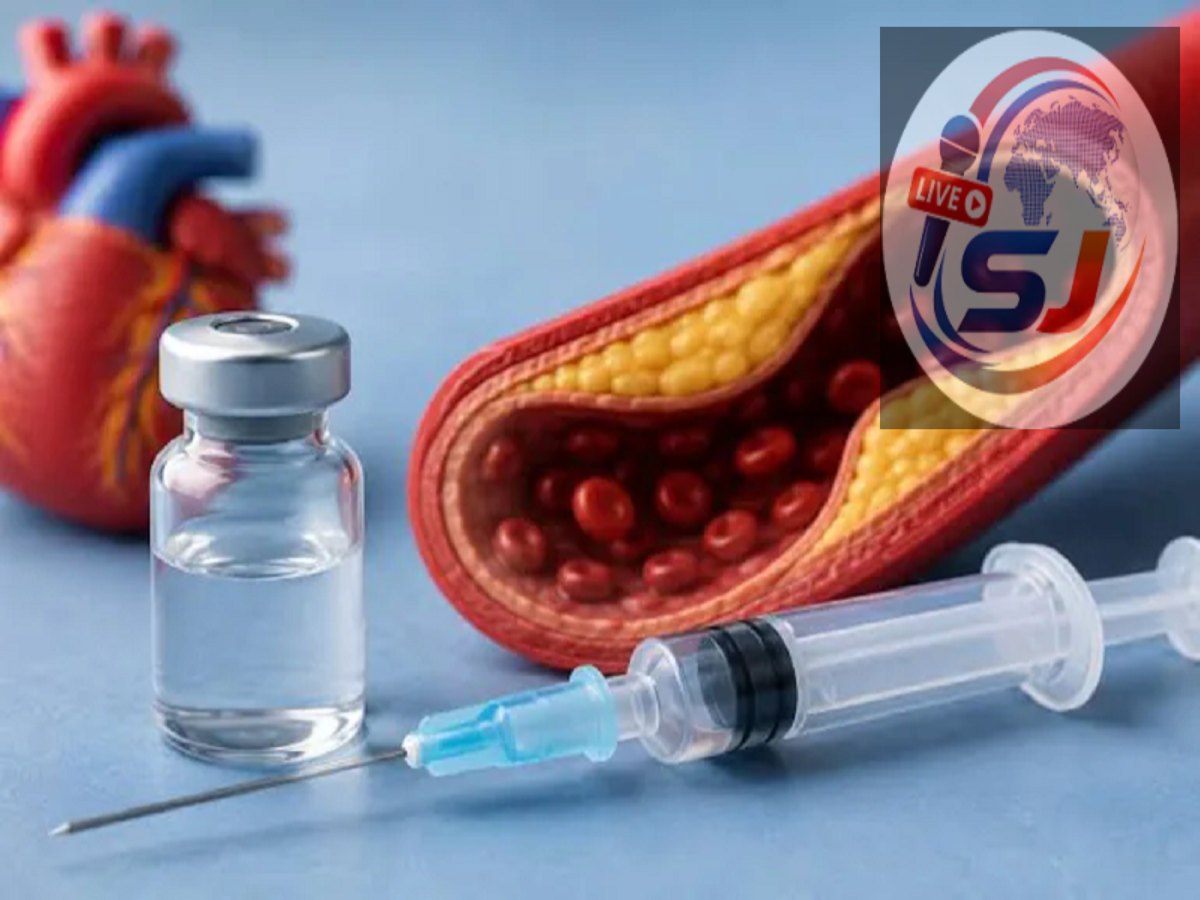
Cholesterol Medicine News: Patients who need additional treatment to lower dangerously high levels of bad cholesterol now have a new oral option in the United States. The US Food and Drug Administration has approved Lipfendra, also known as enlicitide, as the first cholesterol tablet that blocks the PCSK9 protein.
The once-daily medicine, developed by Merck, has been approved for use alongside diet and exercise in adults with high LDL cholesterol, including those with an inherited condition called heterozygous familial hypercholesterolemia, or HeFH.
The approval is considered significant because existing medicines that directly inhibit PCSK9 have generally been administered through injections. Lipfendra offers the same broad biological approach in tablet form, potentially making treatment more convenient for suitable patients.
However, the medicine has received approval in the United States. Its availability, price and regulatory status in India or other countries may be different.
What Is Lipfendra?
Lipfendra is the brand name of enlicitide, an oral PCSK9 inhibitor. It is taken once daily and is intended to reduce low-density lipoprotein cholesterol, commonly described as bad cholesterol.
The medicine is not meant to replace a healthy diet, physical activity or all existing cholesterol treatments. It may be prescribed as an additional option when a patient’s LDL level remains above the recommended target despite ongoing treatment.
The FDA said it has been approved for adults with high cholesterol as well as adults with HeFH, a genetic condition that can cause unusually high LDL levels from an early age.
How Does the Cholesterol Pill Work?
The liver removes LDL cholesterol from the bloodstream with the help of LDL receptors. A protein called PCSK9 can attach to these receptors and cause them to be broken down.
When fewer LDL receptors are available, the liver becomes less effective at clearing bad cholesterol from the blood.
Enlicitide binds to PCSK9 and prevents it from interfering with LDL receptors. As a result, more receptors remain available on liver cells, allowing the body to remove a greater amount of LDL cholesterol from circulation.
Injectable PCSK9 inhibitors work through a similar biological pathway, but Lipfendra delivers the treatment as a daily oral tablet.
How Much Did It Lower LDL Cholesterol?
The FDA based its decision on two randomised, double-blind and placebo-controlled studies involving a total of 3,207 adults. Participants were already taking the maximum dose of statin therapy they could tolerate.
In the first study, which involved adults with a history of atherosclerotic cardiovascular disease or a high risk of developing it, Lipfendra reduced LDL cholesterol by an average of 56% at 24 weeks compared with placebo.
In the second study involving adults with heterozygous familial hypercholesterolemia, LDL cholesterol fell by an average of 59% at 24 weeks compared with placebo.
A separate Phase 3 analysis reported a 55.8% reduction in LDL compared with placebo at Week 24, while a post-hoc reanalysis estimated the reduction at 59.7%. The cholesterol-lowering effect was also sustained over one year, although the difference was smaller at Week 52 than at Week 24.
These percentages represent average changes observed in clinical trials. An individual patient’s response may differ.
Who May Benefit From This Medicine?
The oral therapy may be considered for adults whose LDL cholesterol remains high despite statin treatment and lifestyle measures.
It may be particularly relevant for people with:
-
Established atherosclerotic cardiovascular disease
-
A high risk of heart attack or stroke
-
Heterozygous familial hypercholesterolemia
-
Persistently elevated LDL despite tolerated treatment
-
A need for an additional non-statin cholesterol medicine
The decision to prescribe it must be made by a qualified doctor after considering the patient’s cholesterol level, cardiovascular risk, medical history and current medicines.
Patients should not stop taking statins or switch from an injectable drug without medical advice.
Does It Mean Patients Can Avoid Injections?
For some eligible patients, Lipfendra may offer an oral alternative to injectable PCSK9 treatment. This could make therapy more acceptable to people who are uncomfortable with injections or find injectable medicines inconvenient.
However, it would be inaccurate to say that the pill will eliminate injections for every cholesterol patient. Injectable PCSK9 medicines may remain suitable or necessary for many people, depending on their condition, treatment response, access and doctor’s recommendation.
The new approval expands the available treatment choices rather than replacing every injectable cholesterol therapy.
What Side Effects Were Reported?
In one of the pivotal trials, the overall frequency of adverse reactions was similar among patients receiving Lipfendra and those receiving placebo.
In the study involving patients with inherited high cholesterol, the most commonly reported adverse reactions occurring more frequently than with placebo were diarrhoea and dizziness. The proportion of patients who stopped treatment because of adverse effects was similar in the treatment and placebo groups.
Patients should follow the prescribed dosing instructions carefully and discuss side effects, pregnancy, liver or kidney conditions, allergies and other medicines with their healthcare provider.
Why Is High LDL Cholesterol Dangerous?
LDL cholesterol can gradually enter the walls of arteries and contribute to plaque formation. Over time, this buildup may narrow blood vessels and restrict blood flow.
If a plaque ruptures, it can lead to the formation of a blood clot and increase the risk of a heart attack or stroke. High cholesterol often causes no obvious symptoms, which is why a lipid blood test is important for diagnosis and monitoring.
Lifestyle factors such as an unhealthy diet, physical inactivity and excess body weight may contribute to high cholesterol. Genetics can also play an important role.
Is Lipfendra Available in India?
The reported approval was granted by the US FDA on July 16, 2026. This does not automatically authorise the medicine for sale in India.
A separate approval from Indian drug regulators would normally be needed before it could be marketed in the country. Patients in India should not purchase or use the drug based solely on overseas reports and should consult a cardiologist or physician about currently approved treatment options.
Final Takeaway
The approval of Lipfendra marks an important development in cholesterol management because it is the first oral medicine approved in the US to directly inhibit PCSK9.
Clinical trials showed that the daily pill reduced LDL cholesterol by approximately 56% to 59% at 24 weeks when compared with placebo in patients already receiving statin therapy.
The medicine may provide a convenient additional choice for certain high-risk patients, but it is not a self-treatment product and will not replace injections or statins in every case. Its use should be based on a doctor’s prescription, the patient’s cardiovascular risk and the availability of the medicine in their country.