
Best Indoor Plants for Home: 10 Beautiful, Low-Maintenance Plants to Make Your Living Space Greener
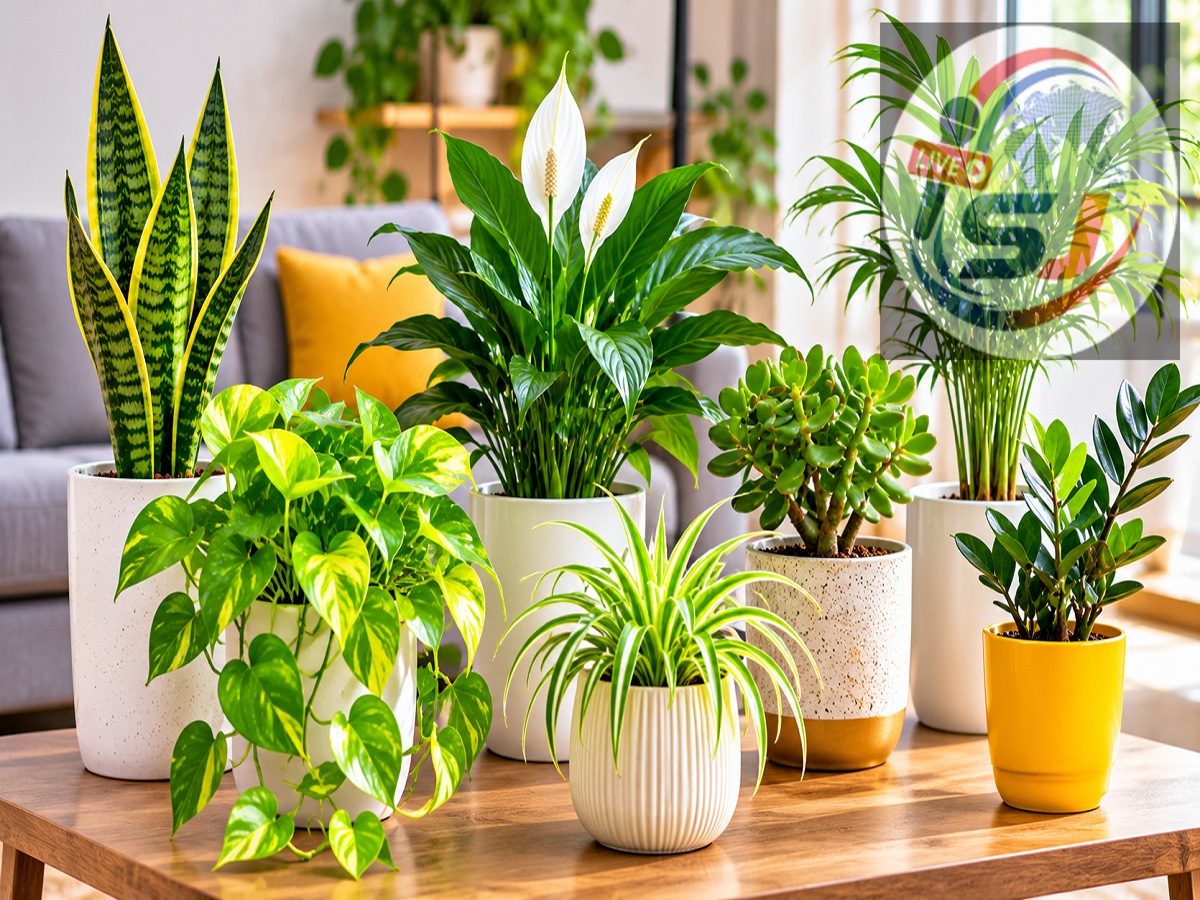
Indoor Plants for Home 2026: Adding greenery to your home is one of the simplest ways to refresh your interiors without spending heavily on decoration. Whether you live in a compact apartment, a modern flat, or a spacious house, indoor plants can bring natural beauty, texture, and a welcoming atmosphere to almost any room.
Houseplants have become increasingly popular among homeowners who want to create relaxing, nature-inspired living spaces. From elegant palms and colourful foliage to compact succulents and trailing vines, there are plenty of options for different lighting conditions and interior styles.
The good news is that you do not need a large garden or extensive gardening experience to grow indoor plants. Several varieties adapt well to containers and require relatively little maintenance when provided with suitable light, water, and drainage.
If you are planning to decorate your bedroom, living room, balcony corner, or workspace, here are 10 attractive indoor plants worth considering.
1. Money Plant: A Popular Choice for Green Home Decor
The money plant is among the most familiar houseplants found in Indian homes. Its heart-shaped leaves and trailing vines make it an excellent option for shelves, hanging baskets, and decorative pots.
This plant generally grows well in bright, indirect sunlight, although it can tolerate lower light conditions. Its vines can be guided around supports or allowed to hang naturally.
Water the plant when the upper layer of soil begins to dry. Avoid keeping the roots constantly submerged in water unless you are specifically growing it using a suitable water-based method.
Money plants are also associated with prosperity in some traditional beliefs, although these associations are cultural rather than scientifically established.
2. Snake Plant: An Easy-Care Option for Busy Households
The snake plant is known for its tall, upright leaves and striking architectural appearance.
Its structured foliage complements modern, minimalist, and contemporary interiors.
One of its biggest advantages is its ability to tolerate periods of neglect. Snake plants can survive in relatively low light, but they generally grow better when exposed to sufficient indirect sunlight.
Because the plant stores moisture in its leaves, frequent watering is unnecessary. Allow the potting mix to dry before adding more water.
Excessive watering is one of the most common reasons snake plants develop root problems.
3. Spider Plant: Perfect for Hanging Baskets and Shelves
Spider plants are recognised by their long, narrow leaves, often featuring attractive green and white stripes.
They are particularly suitable for hanging planters because their arching foliage creates a graceful cascading appearance.
Mature plants may produce small offshoots, commonly called spiderettes, which can be propagated into new plants.
Spider plants prefer bright, indirect light and moderately moist soil.
They can tolerate occasional missed watering, making them suitable for beginners.
Their compact size also makes them useful for decorating study rooms, kitchen windows, and small apartment corners.
4. Peace Lily: Elegant Green Leaves With White Blooms
The peace lily is admired for its glossy, dark green leaves and distinctive white flower-like structures.
It can add a sophisticated touch to living rooms, reception areas, and indoor corners.
Peace lilies generally prefer indirect sunlight and soil that remains lightly moist without becoming waterlogged.
They may droop when excessively dry, but repeated severe drying can damage the plant.
Good drainage and appropriate watering are essential for healthy growth.
Safety note: Peace lilies contain calcium oxalate crystals and can cause irritation if chewed or swallowed. Keep them away from pets and young children.
5. Jade Plant: A Compact Succulent for Tables and Windowsills
The jade plant is a popular succulent with thick, fleshy leaves and sturdy branches.
Its miniature tree-like appearance makes it an attractive choice for coffee tables, windowsills, and decorative shelves.
Unlike some shade-tolerant indoor plants, jade plants need plenty of light to grow well.
A bright windowsill with suitable sunlight is generally ideal.
Because jade plants store water in their leaves, they should be watered only after the soil has dried sufficiently.
Overwatering can lead to root rot and other problems.
Jade plants are sometimes associated with good fortune in traditional home decoration practices, but this is a cultural belief.
6. Areca Palm: Bring a Tropical Feel Into Your Living Room
The areca palm is an excellent option for people who prefer larger indoor plants.
Its long, feather-like fronds create a tropical appearance and can soften the look of furniture and empty corners.
Areca palms generally perform best in bright, filtered light.
They also prefer a suitable level of moisture in the soil, although the roots should not remain waterlogged.
During dry weather, maintaining appropriate indoor humidity may help prevent leaf tips from turning brown.
Because areca palms can grow relatively large, they are best suited to rooms with sufficient floor space.
7. Aloe Vera: A Practical Succulent for Sunny Indoor Spaces
Aloe vera is widely recognised for its thick, pointed leaves containing a gel-like substance.
It is also a popular decorative succulent because of its distinctive shape and relatively simple watering requirements.
Aloe vera prefers bright light and a well-draining potting mixture.
It can tolerate dry conditions better than consistently wet soil, so watering should be limited until the growing medium has dried.
A sunny windowsill or another well-lit indoor location is generally suitable.
Although aloe vera gel is used in various skincare products, home-grown aloe should not be consumed or used medically without appropriate guidance. Some parts of the plant can be harmful if ingested.
8. Pothos: A Versatile Trailing Plant for Small Apartments
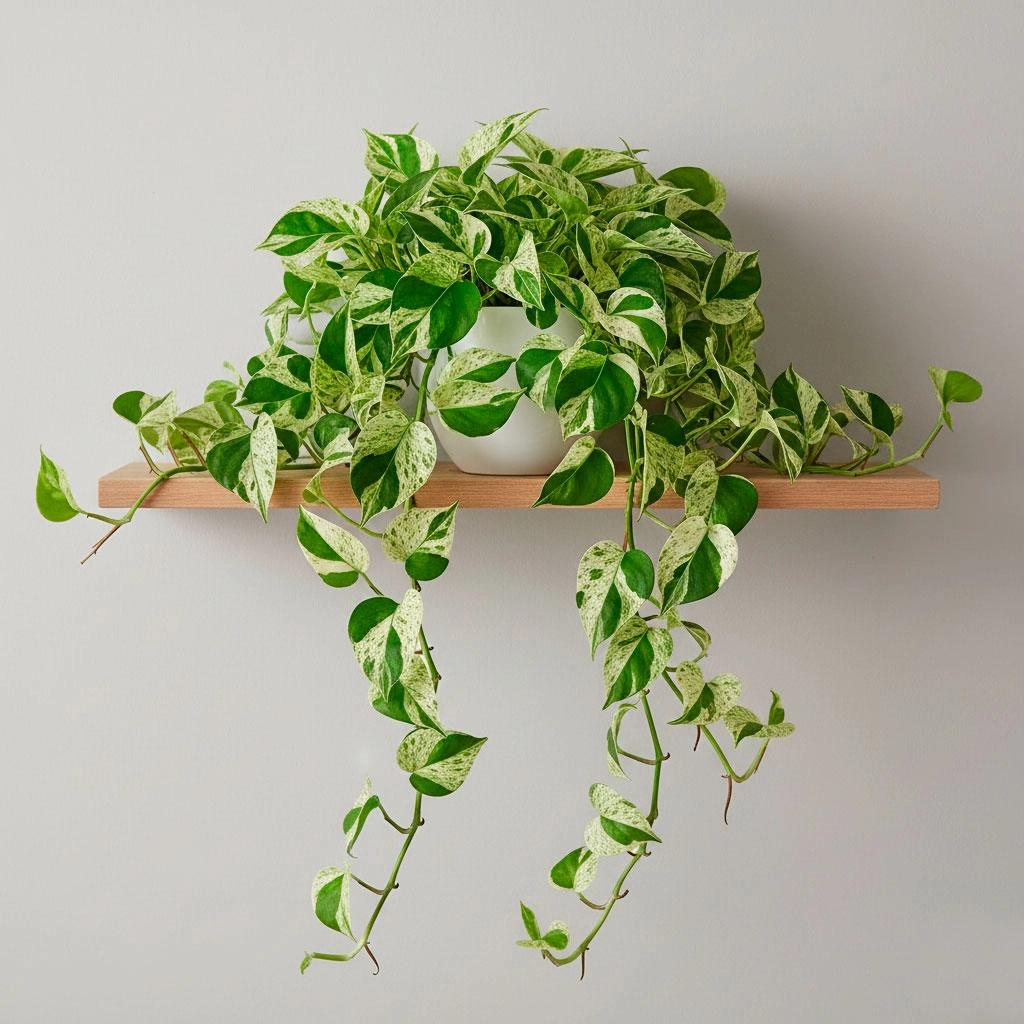
Pothos is a versatile climbing and trailing plant available in several attractive varieties.
Its foliage may feature green, yellow, cream, or white patterns, depending on the cultivar.
Pothos plants can be displayed in hanging containers, placed on bookshelves, or trained to climb decorative supports.
They generally prefer indirect light and soil that is allowed to dry slightly between watering sessions.
Pothos is especially suitable for people who want a lush appearance without complicated maintenance.
In India, golden pothos is commonly called money plant, so these two names can refer to the same species. Different cultivars provide distinct decorative appearances.
9. Rubber Plant: A Stylish Choice for Modern Interiors
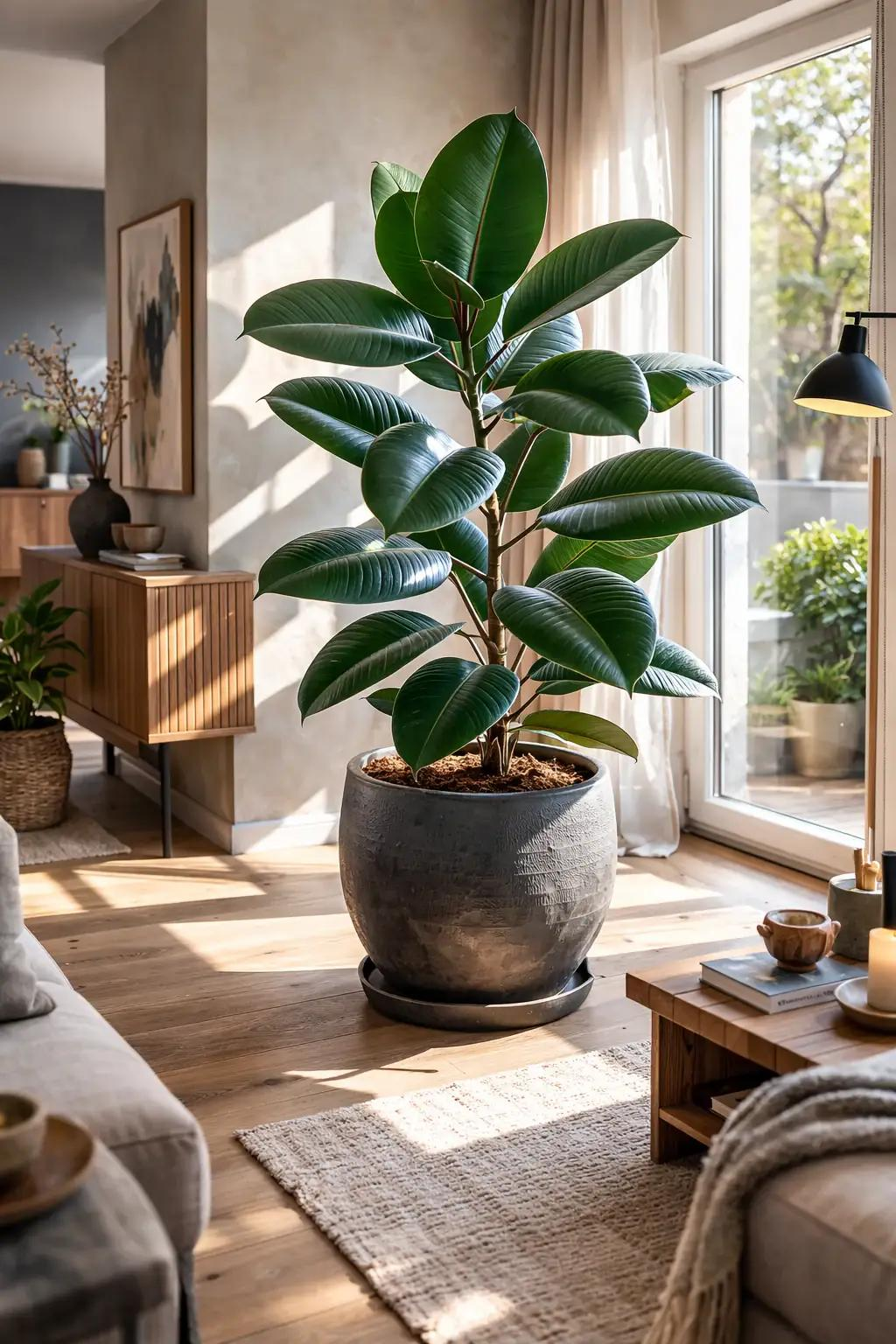
The rubber plant is valued for its broad, glossy leaves and upright growth.
It can become an attractive focal point in living rooms, bedrooms, or spacious office areas.
Rubber plants generally grow best in bright, indirect sunlight.
Their leaves can accumulate dust over time, so gently wiping them with a damp cloth can help keep them clean.
Water when the upper portion of the potting mix has dried, and ensure the container has adequate drainage.
Some rubber plant varieties have deep green foliage, while others display burgundy or variegated leaves.
The plant's sap can irritate skin, and it should be kept away from pets that may chew its leaves.
10. Ferns: Add Soft, Lush Greenery to Indoor Corners
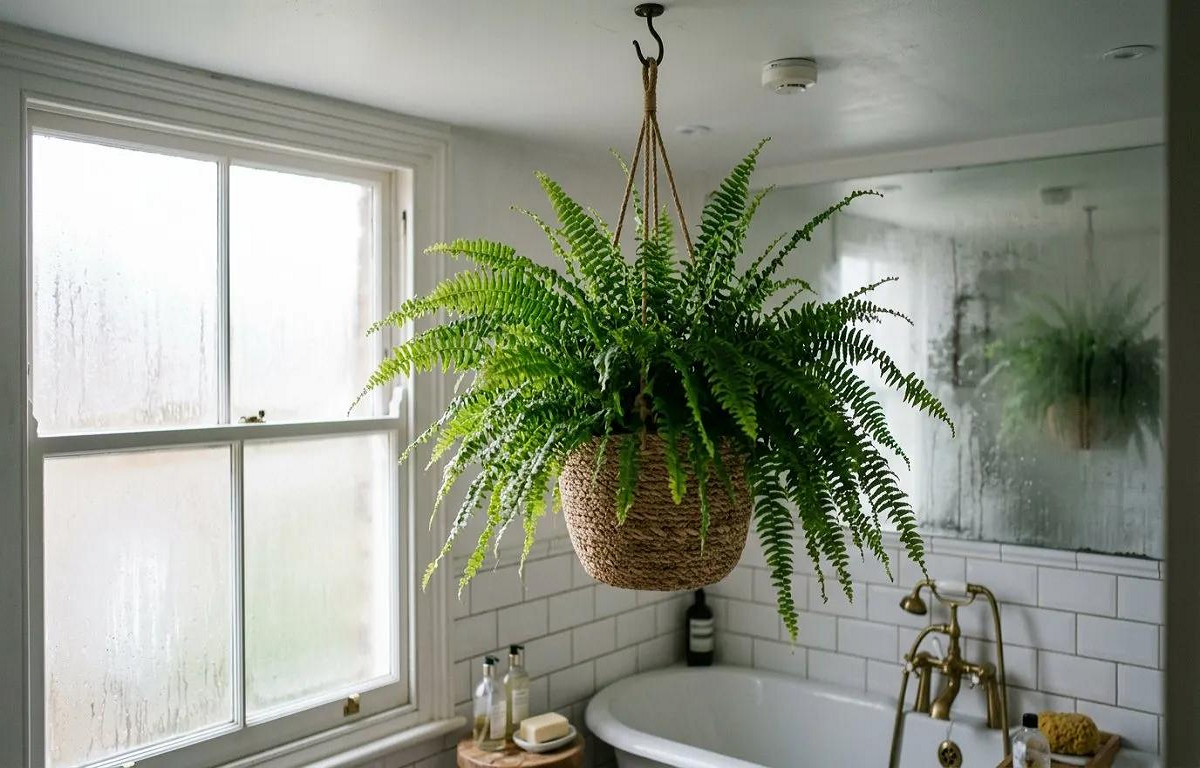
Ferns are known for their delicate, dense foliage and soft appearance.
Popular indoor varieties, such as the Boston fern, can create a refreshing natural look in hanging baskets or decorative planters.
Unlike drought-tolerant succulents, many ferns prefer consistently moist soil and relatively high humidity.
They generally grow well in indirect light and should be protected from harsh direct sunlight.
A bathroom with adequate natural light and ventilation may provide suitable conditions for some fern varieties.
However, bathrooms without sufficient light are not ideal simply because they are humid.
How to Choose the Right Indoor Plant for Your Home
Before purchasing houseplants, consider the amount of natural light available, the size of the room, and the time you can dedicate to plant care.
Here is a quick comparison to help you choose.
| Indoor Plant |
Preferred Light |
Watering Needs |
|---|---|---|
| Money Plant |
Indirect light |
Moderate |
| Snake Plant |
Low to bright indirect light |
Low |
| Spider Plant |
Bright indirect light |
Moderate |
| Peace Lily |
Indirect light |
Moderate |
| Jade Plant |
Bright light |
Low |
| Areca Palm |
Bright filtered light |
Moderate |
| Aloe Vera |
Bright light |
Low |
| Pothos |
Indirect light |
Moderate |
| Rubber Plant |
Bright indirect light |
Moderate |
| Fern |
Indirect light |
Regular moisture |
Watering frequency depends on factors such as pot size, temperature, humidity, soil type, and plant growth. Always check the soil rather than following a fixed watering schedule.
Can Indoor Plants Improve Air Quality?
Indoor plants are often promoted as natural air purifiers. However, their ability to remove indoor air pollutants under ordinary household conditions is limited.
Although some laboratory studies have demonstrated that plants can absorb certain pollutants in controlled environments, these results do not mean that a few houseplants can replace proper ventilation or air filtration.
Their most noticeable benefits are decorative, with greenery potentially contributing to a more pleasant and relaxing indoor environment.
For healthier indoor air, adequate ventilation, pollution source control, and suitable filtration remain more reliable measures.
Important Safety Tips for Homes With Pets and Children
Not all houseplants are safe for animals or young children.
Peace lilies, pothos, snake plants, jade plants, and certain other common indoor varieties can cause problems if chewed or swallowed.
Pet owners should check plant toxicity information before bringing new plants into their homes.
Spider plants and areca palms are generally regarded as non-toxic to cats and dogs, making them useful options for pet-friendly households.
Even non-toxic plants should be positioned carefully to prevent choking hazards, accidental ingestion of potting materials, or falling containers.
Final Thoughts: Make Your Home Greener With the Right Indoor Plants
Indoor plants offer a simple way to introduce natural beauty into modern homes.
From the low-maintenance snake plant and compact jade plant to the elegant peace lily and tropical areca palm, there are suitable choices for different spaces and preferences.
The key to successful indoor gardening is selecting plants according to available light, watering requirements, and household safety considerations.
With proper care, even a small collection of houseplants can create an attractive, welcoming, and nature-inspired living environment.
Source Credit: NewsPoint, edited by Ishvik Sharma, published November 14, 2026 — Indoor Plants for Home: 10 Beautiful Indoor Plants to Enhance Home Decor.