
Anti-Aging Face Pack: How to Make This Clove, Coffee and Besan Skin-Care Mix at Home
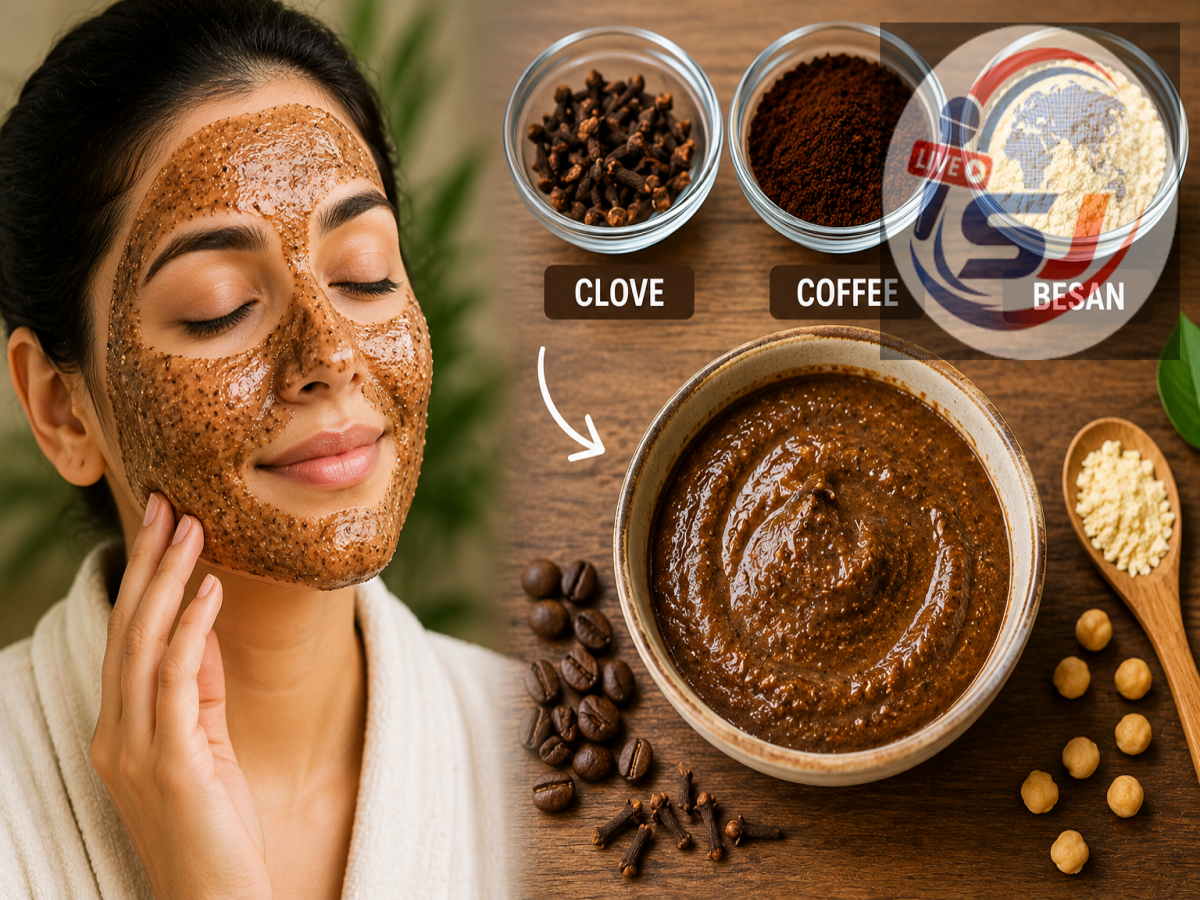
Anti-Aging Face Pack: Fine lines, uneven skin tone and dullness are common skin concerns, particularly as age, sun exposure and lifestyle factors begin to affect the skin. While the beauty market is filled with expensive creams and treatments, homemade face packs made with everyday kitchen ingredients continue to attract considerable attention.
One such DIY beauty recipe uses cloves along with coffee, gram flour and Multani mitti. The combination has become popular as a home skin-care remedy for people looking to refresh the appearance of tired or dull-looking skin.
However, it is important to keep expectations realistic. A homemade face pack cannot be considered a proven treatment for eliminating wrinkles, fine lines or pigmentation. It may temporarily make skin feel cleaner, smoother or fresher, depending on the ingredients and an individual's skin type.
Here is what you should know before trying a clove-based face pack at home.
Why Are Cloves Being Used in DIY Skin Care?
Cloves, commonly known as laung in India, are usually found in the spice section of the kitchen. Apart from their culinary use, cloves have also become an ingredient in several traditional and homemade beauty remedies.
For this viral-style face pack, only around five to six cloves are used.
The cloves are combined with ingredients such as coffee, gram flour or besan and Multani mitti to prepare a paste that can be applied to the face.
However, “natural” does not automatically mean suitable for every skin type. Spices and strongly aromatic ingredients can potentially irritate sensitive skin, so caution is important when experimenting with homemade preparations.
Ingredients Needed for the Face Pack
The recipe can be prepared using ingredients that are commonly available at home or in grocery stores.
You will need approximately five to six cloves, a small amount of coffee powder, besan and Multani mitti.
A suitable liquid can then be added gradually to turn the dry ingredients into a smooth paste.
The consistency is important. The mixture should not be extremely watery because it needs to remain on the face after application. At the same time, making it excessively thick can make it difficult to spread evenly.
How to Prepare the Clove Face Pack
Begin by taking around five or six cloves and grinding them into a fine powder.
Make sure there are no large or sharp pieces left in the mixture, as coarse particles can be uncomfortable when applied to facial skin.
Next, add a small quantity of coffee powder.
Mix in gram flour and Multani mitti. Gradually add enough liquid to create a smooth, spreadable paste.
Avoid aggressive scrubbing while applying or removing the pack. Facial skin can become irritated by excessive rubbing, particularly when a mixture contains granular ingredients such as ground coffee or spices.
Do Homemade Face Packs Really Remove Wrinkles?
This is where it is important to distinguish a cosmetic home remedy from an evidence-based anti-aging treatment.
Fine lines and wrinkles develop for several reasons. Natural aging changes the skin over time, while repeated sun exposure can accelerate visible signs of aging. Skin hydration, genetics, smoking and other environmental and lifestyle factors can also influence how the skin looks.
A face pack may make the skin appear temporarily refreshed or smoother, especially if it helps remove excess oil or surface buildup. However, that does not mean wrinkles themselves have been permanently removed.
Anyone using a DIY face pack should therefore avoid expecting dramatic or permanent anti-aging results.
What About Pigmentation and Dark Spots?
Pigmentation is another issue often associated with homemade beauty remedies.
Dark spots and uneven skin tone can have several causes, including sun exposure, acne, irritation and certain skin conditions.
Because the underlying cause can differ considerably from one person to another, the same home remedy may not produce identical results for everyone.
In fact, irritating the skin can sometimes make pigmentation concerns worse, particularly in people who are prone to post-inflammatory dark marks.
Persistent or unexplained pigmentation is better evaluated by a dermatologist instead of repeatedly experimenting with stronger homemade ingredients.
Be Careful When Using Cloves on Your Face
Cloves are a potent spice, so using them directly on facial skin deserves additional caution.
Before putting a homemade clove preparation over the entire face, consider testing a very small amount first. Stop using the mixture if you notice burning, significant redness, itching, swelling or other signs of irritation.
People with highly sensitive skin, eczema, active acne, damaged skin or known allergies should be especially cautious with DIY preparations.
The mixture should also be kept away from the eyes and other sensitive areas.
Using more cloves in the hope of obtaining faster results is not advisable. Increasing the concentration of an irritating ingredient could increase the likelihood of an unwanted skin reaction rather than improve the outcome.
Sunscreen Remains Crucial for Preventing Premature Skin Aging
Home remedies may be popular, but one of the most important steps for protecting skin from premature aging is much simpler: sun protection.
Regular exposure to ultraviolet radiation can contribute to wrinkles, pigmentation and other visible signs of skin aging.
Using a broad-spectrum sunscreen with adequate SPF, along with other sun-protection measures, can therefore play an important role in a long-term skin-care routine.
Moisturizing is also useful because well-hydrated skin can make some fine lines appear less noticeable.
For people specifically concerned about wrinkles or pigmentation, dermatologist-recommended products containing evidence-backed active ingredients may provide a more targeted approach than relying exclusively on kitchen remedies.
Should You Try This Viral Face Pack?
A clove, coffee, besan and Multani mitti face pack can be treated as an occasional DIY skin-care experiment rather than a guaranteed anti-aging solution.
Its biggest appeal is simplicity: the ingredients are inexpensive and easily available in many Indian kitchens. Some users may enjoy the cleansing or fresh feeling that comes with applying a homemade mask.
But claims that such a pack can completely erase wrinkles, fine lines or pigmentation should be viewed cautiously.
Skin aging is a gradual biological process, and no kitchen face pack can realistically promise overnight reversal.
If you decide to try the mixture, use a small quantity, avoid harsh rubbing and discontinue it immediately if irritation develops. For persistent wrinkles, pigmentation, acne or other skin concerns, consulting a qualified dermatologist remains the safer option.
A consistent routine built around gentle cleansing, moisturization and daily sun protection is likely to be more important for maintaining healthy-looking skin over the long term than relying on a single viral home remedy.
Disclaimer: This article is for general informational purposes and describes a commonly discussed home skin-care remedy. Results can vary by skin type. Homemade ingredients may cause irritation or allergic reactions and should not be considered a substitute for professional dermatological treatment.