
Amla Juice for Hair Health: Can This Vitamin C-Rich Drink Support Stronger, Healthier Hair?
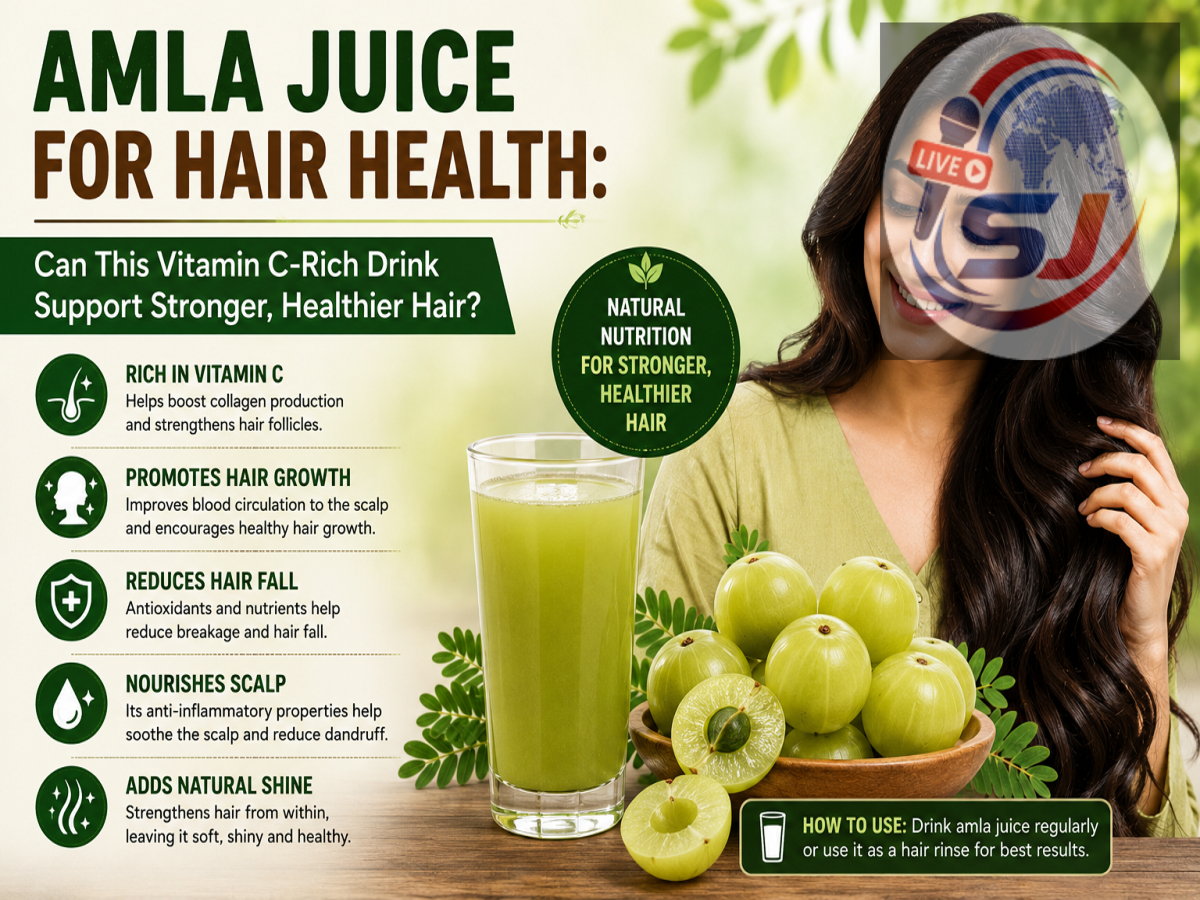
Amla Juice Benefits for Hair: Hair fall, thinning and loss of shine can be influenced by several factors, including stress, nutritional deficiencies, hormonal changes and lifestyle habits. Amla, or Indian gooseberry, is widely used in traditional Indian wellness practices because it contains vitamin C and antioxidant compounds. Regularly including amla as part of a balanced diet may support overall nutrition, but it should not be viewed as a guaranteed cure for hair loss.
Finding more hair than usual on a comb, pillow or shower drain can be worrying. While people often respond by changing shampoos, oils or other hair-care products, the condition of the hair can also be influenced by what is happening inside the body.
Poor nutrition, inadequate protein intake, stress, sleep problems and certain medical conditions can all play a role in excessive hair shedding. This is why dietary habits are often considered alongside external hair care.
One traditional ingredient that frequently appears in discussions about hair health is amla, also known as Indian gooseberry. It can be consumed fresh, dried or in juice form and has long been used in Ayurveda.
Here is what you should know before adding amla juice to your daily routine.
Why Is Amla Considered Beneficial for Hair?
Amla is particularly known for its vitamin C content and naturally occurring antioxidant compounds.
Vitamin C contributes to normal collagen formation and also helps the body absorb iron from plant-based foods. Both adequate nutrition and healthy iron levels can be relevant to normal hair growth.
Amla also contains various plant compounds and micronutrients. For this reason, including it in a varied diet can contribute to overall nutritional intake.
However, drinking amla juice alone cannot compensate for deficiencies in protein, iron, vitamin B12, vitamin D or other nutrients that may be affecting hair health.
Can Amla Juice Help Hair Growth?
Amla is traditionally associated with stronger and healthier hair, and some people use it either orally or as a topical hair-care ingredient.
From a nutritional perspective, maintaining adequate intake of vitamins, minerals, protein and other nutrients supports normal body functions, including the hair-growth cycle.
However, claims that amla juice by itself can trigger new hair growth or make hair dramatically thicker should be treated cautiously. Hair growth depends on several factors, including genetics, age, hormones and overall health.
If someone is experiencing noticeable thinning or persistent hair loss, identifying the underlying cause is more important than relying on a single food or drink.
May Support Hair Strength Through Better Nutrition
One reason amla is promoted for hair health is its nutritional profile.
Vitamin C can support iron absorption, particularly when consumed with plant-based sources of iron. Iron deficiency is one of several possible contributors to increased hair shedding in some people.
A balanced diet containing adequate protein is also important because hair is primarily made of keratin, a type of protein.
Rather than viewing amla as an alternative to a healthy diet, it is more useful to consider it as one possible component of an overall nutritious eating pattern.
What About Hair Fall and Breakage?
Hair fall and hair breakage are not always the same thing.
Hair shedding occurs when strands are released from the follicle, while breakage happens when the hair shaft becomes weak and snaps. Dryness, heat styling, chemical treatments and rough handling can increase breakage.
Nutrition may influence hair quality, but amla juice should not be expected to stop all forms of hair loss.
Gentle hair care, adequate protein intake, good sleep and management of underlying nutritional or medical problems can all be important.
Can Amla Prevent Premature Grey Hair?
Amla is traditionally used in preparations aimed at maintaining natural hair colour.
Its antioxidant content is one reason it is often linked with protection against premature greying. However, there is not enough strong evidence to say that drinking amla juice can reliably reverse grey hair or restore lost pigmentation.
Hair colour is largely determined by melanin production within hair follicles, and genetics plays a major role in when greying begins.
Deficiencies and some medical conditions can occasionally contribute to premature greying, but anyone concerned about unusually early or rapid colour changes may benefit from medical evaluation.
Does Amla Juice Help With Dandruff?
The original advice also links amla with better scalp health.
While a nutritious diet can support skin and scalp health generally, drinking amla juice should not be considered a treatment for dandruff, fungal infections or persistent scalp irritation.
Dandruff can have several causes, including seborrheic dermatitis and sensitivity to scalp products.
If there is severe itching, redness, scaling, sores or recurrent dandruff, a dermatologist can help identify the cause and recommend appropriate treatment.
Can Amla Juice 'Detox' the Body?
Amla is sometimes described as a detoxifying food, but the body already has organs such as the liver and kidneys that continuously process and eliminate waste.
Amla can certainly be part of a healthy diet, but there is no need to rely on it as a special detox treatment.
Its main dietary value comes from its nutrients and plant compounds rather than from any ability to independently cleanse toxins from the body.
How Much Amla Juice Can You Drink?
Some traditional wellness routines recommend approximately 20 to 30 ml of amla juice diluted with water.
However, there is no universal dose that is suitable for everyone, and taking it on an empty stomach is not essential for obtaining nutrients.
Commercial juices can also vary in concentration, ingredients and added sugar, so checking the label and following the manufacturer's serving instructions is advisable.
People trying amla juice for the first time may prefer a diluted quantity to see how well they tolerate it.
Who Should Be Careful With Amla Juice?
Natural does not automatically mean risk-free.
Amla juice can cause digestive discomfort in some people, particularly when consumed in large amounts. Those taking regular medication or managing chronic health conditions should be cautious about introducing concentrated herbal or fruit preparations.
People with diabetes should also check whether packaged amla juice contains added sugar.
Anyone who is pregnant, breastfeeding, taking medication or undergoing treatment for a medical condition may want to discuss regular consumption with a healthcare professional.
Hair Loss Can Have Many Causes
One of the most important points to remember is that excessive hair loss is not always a cosmetic problem.
It may be associated with factors such as:
-
Iron deficiency
-
Thyroid disorders
-
Hormonal changes
-
Significant stress
-
Rapid weight loss
-
Low protein intake
-
Certain medications
-
Genetics
-
Scalp conditions
Sudden hair loss, visible bald patches, scalp inflammation or persistent heavy shedding should therefore not be managed solely with home remedies.
Amla Can Support a Healthy Diet, but It Is Not a Miracle Hair Treatment
Adding amla juice to a nutritious diet can be a simple way to consume vitamin C and antioxidant-rich plant compounds. These nutrients may support general health and indirectly contribute to maintaining healthy hair.
But replacing expensive hair products with amla juice does not guarantee thicker hair, faster growth or an end to hair fall.
For better long-term hair health, focus on a balanced diet containing sufficient protein, iron and other essential nutrients, minimise unnecessary heat and chemical damage, manage stress and seek medical advice when hair loss becomes excessive.
Disclaimer: This article is intended for general information only and does not replace professional medical advice. Amla juice is not a proven treatment for hair loss, dandruff or premature greying. Consult a doctor or dermatologist if you experience persistent, sudden or severe hair loss or before making significant dietary changes related to a health condition.