
Rajasthan Guest Faculty Recruitment 2026: Around 76,791 Teaching Posts Planned, Selection Without Written Exam
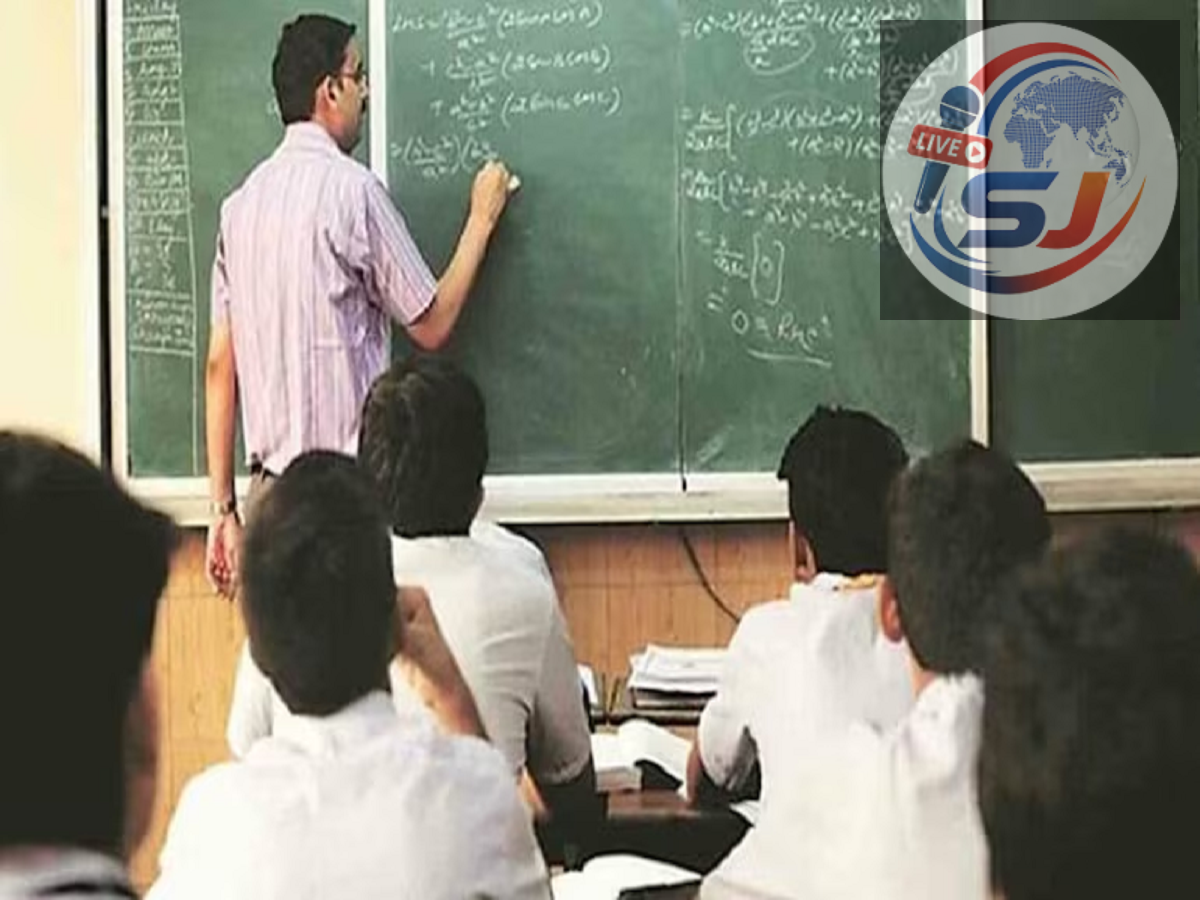
A major opportunity could soon open for teaching aspirants in Rajasthan. The state is preparing to engage guest faculty under the Vidya Sambal Yojana to address vacant teaching positions in government schools, colleges and Sanskrit educational institutions.
According to available recruitment information, around 76,791 guest faculty positions could be covered under the initiative at the school and college levels. The move is aimed at ensuring that vacant teaching posts do not disrupt students' education while also creating opportunities for qualified candidates to work in educational institutions.
An important feature of the proposed recruitment process is that candidates may not have to appear for a written examination or interview. Selection is expected to be based primarily on academic qualifications and relevant experience.
The recruitment could cover teaching positions ranging from Grade-3 teachers and senior teachers to lecturers and faculty positions in higher education.
Here is what prospective applicants should know about eligibility, selection, salary and the expected application process.
Rajasthan Vidya Sambal Yojana: Who Can Apply?
Guest faculty will be engaged according to vacancies and requirements identified by individual educational institutions.
Young candidates possessing the required academic qualifications may apply for suitable positions. Eligible retired teachers may also be allowed to participate in the recruitment process.
However, simply having teaching experience will not automatically make a candidate eligible. Applicants will have to satisfy the educational and professional qualifications prescribed by the concerned department or institution for the particular position.
Candidates should therefore check the post-specific eligibility requirements before submitting an application.
Which Teaching Posts Could Be Filled?
The Vidya Sambal Yojana is expected to cover different categories of teaching positions based on the level of education.
At the school level, Grade-3 teachers may be engaged for Classes 1 to 8. Senior teachers could be appointed for Classes 9 and 10, while lecturers may be engaged to teach students in Classes 11 and 12.
Apart from regular teaching positions, vacancies for instructors and laboratory assistants may also be covered depending on institutional requirements.
The exact number and type of vacancies will depend on the staffing shortage at individual schools and other educational institutions.
Opportunities in Colleges and Higher Education
The recruitment exercise is not expected to remain limited to schools.
Higher education institutions may also engage guest faculty for positions such as Assistant Professor, Associate Professor and Professor.
The actual number of guest faculty members appointed by a college or institution would depend on the vacancies available and its teaching requirements.
This could make the initiative relevant not only for school-teaching aspirants but also for candidates with higher academic qualifications who are seeking teaching opportunities in colleges.
No Written Examination or Interview for Selection
One of the most significant aspects of the proposed Rajasthan guest faculty recruitment is the expected selection method.
According to the available information, candidates may not be required to take either a written examination or an interview.
Instead, a merit list is expected to be prepared on the basis of applicants' academic qualifications and experience.
The proposed merit calculation could assign 75% weightage to the minimum educational qualification and the remaining 25% to academic or professional training qualifications and relevant experience.
If two or more candidates secure identical merit scores, preference may be given to the older candidate.
Applicants should note that these details should be checked against the final notification or vacancy notice issued by the concerned institution before applying.
How Much Can Guest Teachers Earn?
Selected guest faculty members will not receive the same salary structure as regular government teachers. Instead, remuneration is expected to be calculated on an hourly basis, subject to a monthly maximum.
For Grade-3 teachers, instructors and laboratory assistants, the reported remuneration is ₹300 per hour, with monthly earnings capped at ₹21,000.
Senior teachers may receive ₹350 per hour, subject to a maximum payment of ₹25,000 per month.
Lecturers could be paid ₹400 per hour, with their monthly remuneration going up to ₹30,000.
Expected Guest Faculty Pay Structure
| Position | Hourly Remuneration | Maximum Monthly Payment |
|---|---|---|
| Grade-3 Teacher | ₹300 | ₹21,000 |
| Instructor | ₹300 | ₹21,000 |
| Laboratory Assistant | ₹300 | ₹21,000 |
| Senior Teacher | ₹350 | ₹25,000 |
| Lecturer | ₹400 | ₹30,000 |
| Assistant Professor | ₹800 | ₹45,000 |
| Associate Professor | ₹1,000 | ₹52,000 |
| Professor | ₹1,200 | ₹60,000 |
Higher Education Guest Faculty Can Get Up to ₹60,000
The remuneration is considerably higher for guest faculty engaged at the college and higher-education level.
An Assistant Professor could receive ₹800 per hour, with a maximum monthly payment of ₹45,000.
For an Associate Professor, the proposed rate is ₹1,000 per hour and the maximum monthly remuneration could reach ₹52,000.
Guest faculty engaged at the Professor level could receive ₹1,200 per hour, subject to a maximum of ₹60,000 per month.
Actual earnings would depend on the applicable rules, hours of teaching work assigned and the conditions specified by the institution.
Application Process Could Be Offline
Unlike many large government recruitment exercises that use a centralised online portal, applications for these guest faculty positions could be handled offline.
Individual schools, colleges or other educational institutions are expected to identify vacancies according to their staffing requirements and release information about the available positions.
Eligible candidates would then submit their applications to the concerned institution in accordance with the procedure and deadline specified in its notice.
This means applicants interested in the opportunity should keep track of announcements issued by the relevant educational institutions rather than relying only on a single statewide application window.
Why Rajasthan Is Planning Guest Faculty Recruitment
The primary objective of the Vidya Sambal Yojana recruitment exercise is to prevent teacher shortages from affecting students' studies.
Vacant positions can create difficulties in maintaining regular classes, particularly when an institution does not have enough teachers for particular subjects or grade levels. Engaging qualified candidates as guest faculty provides a way to temporarily address such shortages.
The scheme could simultaneously create teaching opportunities for qualified young candidates and eligible retired educators.
With around 76,791 positions mentioned across school and college levels, the recruitment could attract significant interest from teaching aspirants in Rajasthan.
Candidates should, however, carefully distinguish guest faculty engagement from regular permanent government teacher recruitment. Remuneration is expected to be hourly and subject to monthly limits, and the nature of the engagement differs from that of a regular government teaching position.
Prospective applicants should therefore wait for and carefully examine the vacancy notice issued by the concerned school, college or institution. Eligibility, available posts, required documents, application dates, remuneration and other conditions should be verified from the applicable official notification before submitting an application.
The source says the proposed merit-based selection may give 75% weightage to minimum educational qualifications and 25% to academic/training qualifications and experience, with no written examination or interview. It also indicates that applications could be accepted offline by individual institutions according to their vacancies.