
UPI vs Cards: Why Scan and Pay Is Becoming the Preferred Choice at Shops Across India
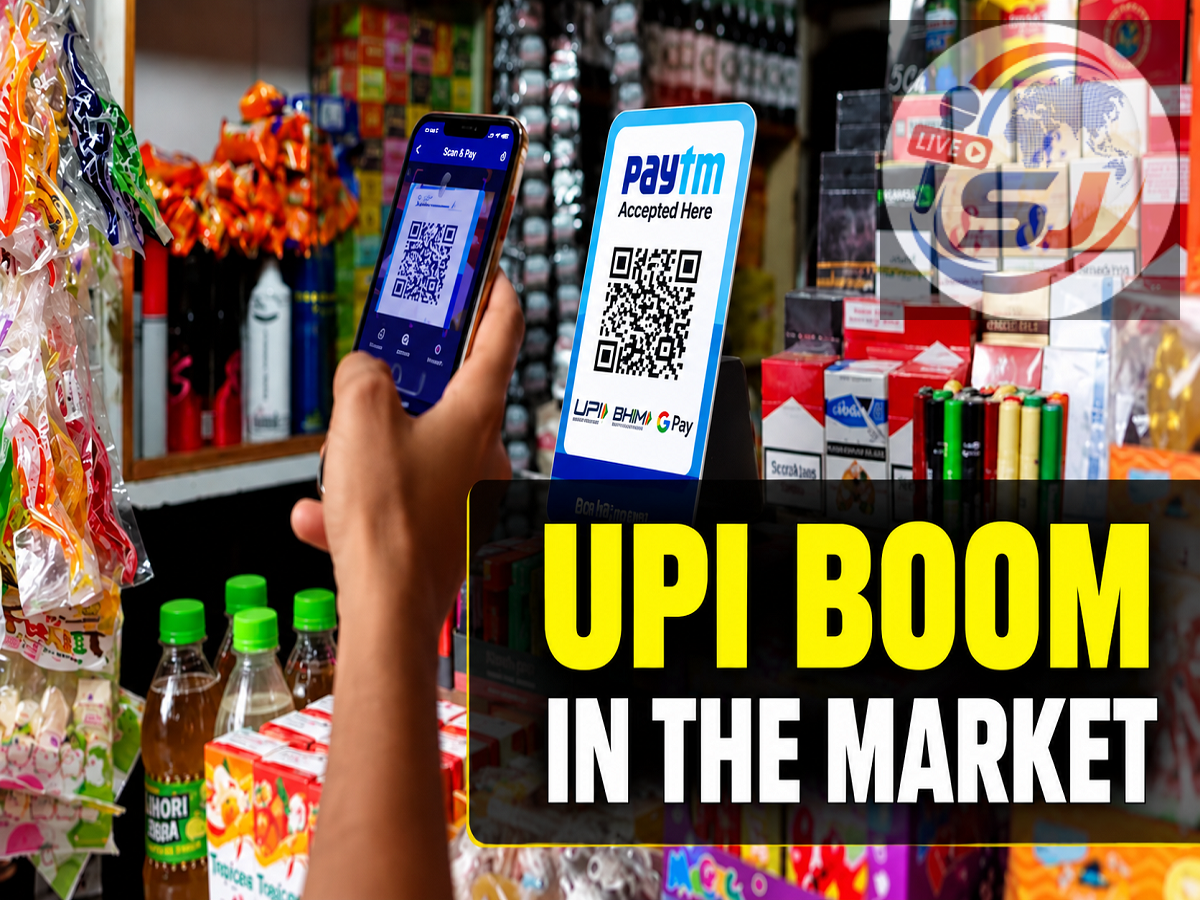
Digital payments in India have changed dramatically with the rapid adoption of the Unified Payments Interface (UPI). From neighbourhood grocery stores and pharmacies to restaurants and large retail outlets, customers increasingly reach for their smartphones instead of taking a debit or credit card out of their wallets.
A simple scan-and-pay transaction through a QR code has made bank-to-bank payments quick and convenient. The growing popularity of UPI is particularly affecting the way debit cards are used for everyday purchases.
However, this does not mean debit and credit cards are about to disappear. Cards continue to offer benefits and use cases that UPI does not completely replace. In fact, the two payment systems are increasingly becoming interconnected rather than operating only as competitors.
Why Has UPI Become So Popular?
Convenience is one of the biggest reasons behind UPI's widespread adoption.
At a shop, customers can simply open a supported UPI app, scan the merchant's QR code, enter the payment amount where required and authorise the transaction.
Money is then transferred through the UPI system using the linked payment arrangement.
For everyday shoppers, this can be more convenient than carrying physical cash or taking out a card and using a point-of-sale terminal.
The experience is equally simple for many small merchants. A shopkeeper can accept UPI payments through a QR-based setup without depending on the traditional card-swiping experience for every digital transaction.
From Grocery Shops to Street Vendors, QR Codes Are Everywhere
The widespread acceptance of QR codes is one of the reasons UPI has become particularly useful for small-value everyday purchases.
Consumers can now commonly make digital payments at grocery stores, medical shops, food stalls and numerous other merchants.
This accessibility has changed customer behaviour.
Earlier, consumers might have used cash for a small purchase and a debit card for a larger bill. UPI has reduced this distinction because the same smartphone-based payment method can be used across a wide range of transaction values, subject to applicable limits and rules.
For many customers, the question is no longer whether the shop accepts a card but whether a UPI QR code is available.
Debit Cards Are Facing the Biggest Challenge
The rise of UPI has had a noticeable impact on the role traditionally played by debit cards in merchant payments.
A debit card and UPI can both ultimately allow a consumer to make a payment using funds available through their banking arrangements. But the user experience is different.
For a conventional card transaction at a physical store, a customer generally needs the card and a compatible point-of-sale machine. Depending on the transaction, additional authentication may also be required.
With UPI QR payments, the customer's smartphone becomes the primary payment tool.
As consumers increasingly use UPI for routine purchases, the need to use a physical debit card at the checkout counter can decline.
Why Merchants Also Find UPI Convenient
UPI's popularity is not driven only by customers.
For merchants, particularly small shopkeepers, accepting QR-based payments can be relatively straightforward.
A physical card acceptance setup traditionally requires appropriate POS infrastructure. QR-based UPI acceptance, on the other hand, can make digital payments accessible even to very small businesses.
This is why QR codes can be seen at businesses ranging from organised retail stores to small roadside vendors.
The widespread merchant acceptance creates a network effect: customers use UPI because more merchants accept it, while merchants support UPI because more customers want to pay through it.
Is UPI Also Replacing Credit Cards?
Credit cards face competition from UPI, but their situation is somewhat different from that of debit cards.
A credit card is not simply a payment mechanism. It also provides access to a credit line, subject to the cardholder's approved limit and terms.
Many cards additionally offer benefits such as reward points, cashback, discounts, travel-related privileges and other offers.
These features continue to attract customers.
As a result, someone who regularly uses UPI for grocery purchases or small payments may still prefer a credit card for certain purchases where rewards, credit availability or other card benefits are more valuable.
Cards and UPI Are Also Coming Together
An interesting development in digital payments is that cards and UPI do not always have to compete with each other.
Certain eligible card products can be linked with UPI under the supported framework, allowing customers to use UPI's convenient payment interface while accessing the underlying card facility where permitted.
This means the future of payments may not necessarily be a simple battle of UPI versus cards.
Instead, consumers could increasingly use UPI as the payment interface while different financial instruments operate behind it.
That combination can preserve some advantages of card-based payments while offering the convenience customers associate with QR-based transactions.
Why Credit Cards May Remain Relevant
Credit cards continue to have several characteristics that make them useful to consumers.
A cardholder may receive an interest-free period on eligible purchases if the bill is paid according to the card's terms. Rewards and cashback can also provide additional value.
Credit cards can additionally be useful for certain online transactions, travel bookings, subscriptions and purchases where card-based payment is preferred or required.
Therefore, the rise of UPI does not automatically eliminate the reasons consumers use credit cards.
Will Debit and Credit Cards Become Useless?
It would be premature to say that cards are becoming useless.
UPI is highly convenient for quick, everyday payments, particularly in situations where a QR code is readily available.
Cards, however, continue to have their own use cases.
Credit cards remain important for people who want access to credit, rewards or cashback. Debit cards may still be useful for ATM withdrawals and various card-based transactions.
Payment preferences can also vary depending on the merchant, transaction type, network availability and the customer's personal financial habits.
UPI and Cards Serve Different Needs
Instead of asking which payment method will completely replace the other, it may be more useful to understand where each one works best.
UPI has become particularly attractive for fast bank-linked payments and everyday merchant transactions. Its QR-based model makes it convenient for both customers and small businesses.
Debit cards continue to provide access to card and ATM networks, while credit cards add a borrowing facility along with potential rewards and other benefits.
For many consumers, therefore, the most practical approach is likely to involve using multiple payment methods rather than depending entirely on one.
UPI Is Changing How Indians Pay
The biggest impact of UPI is visible in everyday behaviour.
A consumer purchasing groceries, medicines or food no longer necessarily looks for cash or a card first. Instead, taking out a smartphone and scanning the merchant's QR code has become a familiar payment habit.
This shift has placed greater pressure on the traditional use of debit cards for routine retail transactions.
Credit cards are also facing competition, but their credit facility, rewards and other benefits continue to give them a distinct role.
So, UPI may be reducing the need to physically use cards for many everyday payments, but it is unlikely to make debit and credit cards disappear completely. Instead, India's digital payment ecosystem appears to be moving toward a model where UPI and cards increasingly coexist—and, in some cases, work together.