
Silver Price Today, November 21: Silver Falls ₹25,100 in 10 Days, Check Latest Rates and Market Outlook
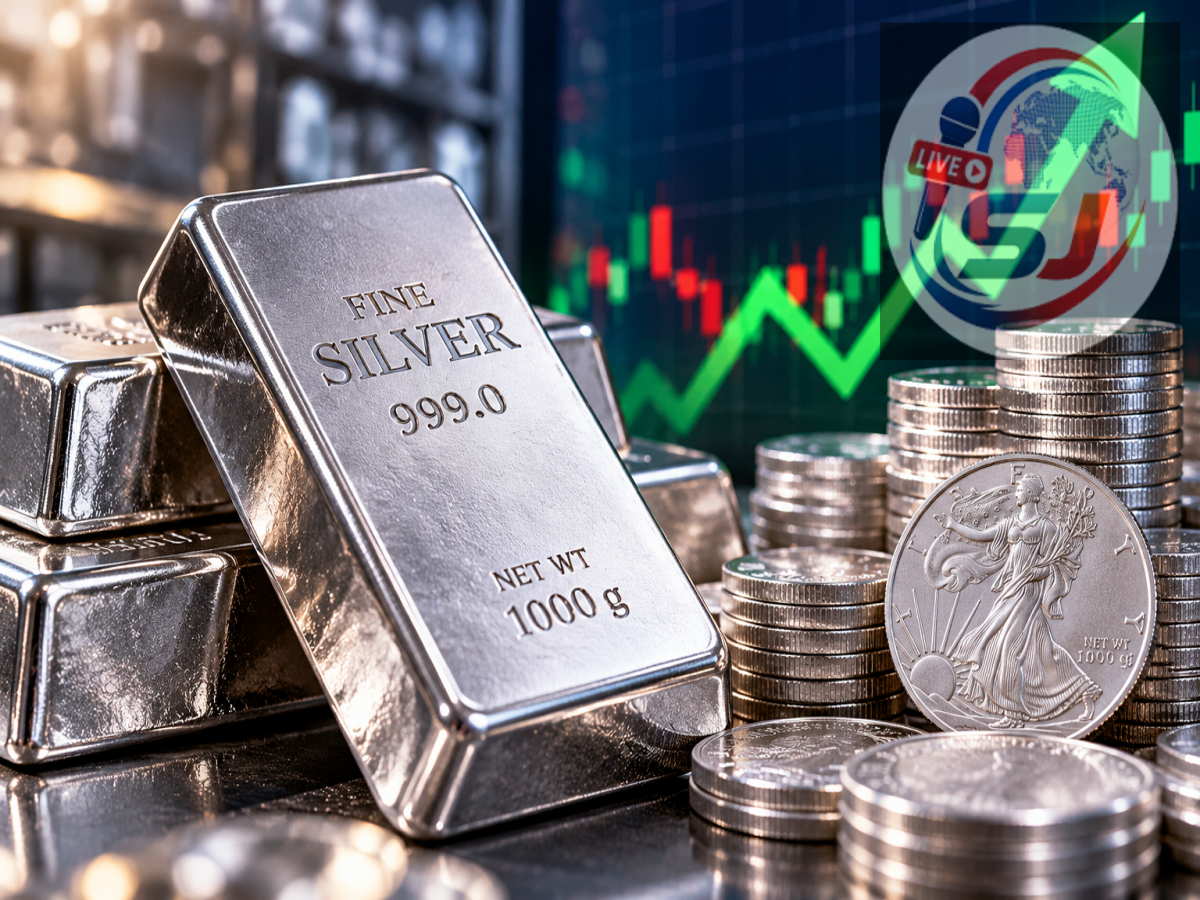
Silver Price Today, November 21, 2026: Silver prices continue to face heavy selling pressure in domestic and international markets, offering some relief to buyers while raising concerns among investors. After witnessing an extraordinary rally earlier this year, the precious metal has experienced a sharp reversal, with prices reportedly falling to their lowest levels in more than a year.
According to market data cited by Moneycontrol, silver has become cheaper by approximately ₹25,100 per kilogram over the past 10 days. The latest decline has brought renewed attention to silver prices in major Indian cities, including Delhi, Mumbai, Patna, Bengaluru, and Kolkata.
Meanwhile, international silver prices have also weakened considerably, reflecting broader uncertainty in the global commodities market.
Silver Price Today: Domestic Market Records Another Major Decline
Silver prices witnessed another significant correction on Friday, November 20, with the domestic rate reportedly falling by ₹4,000 to approximately ₹1.58 lakh per kilogram.
The decline comes after several sessions of volatility in the precious metals market. Investors who entered the market during the earlier rally have seen substantial fluctuations in the value of their holdings.
The latest correction has also attracted the attention of jewellery buyers and individuals planning to purchase silver coins, utensils, or other silver products.
However, market experts generally advise buyers to monitor price movements carefully because precious metal prices can change rapidly depending on global economic developments.
Silver Prices in Delhi, Mumbai, Patna and Other Cities
Silver prices can vary across Indian cities because of local demand, transportation expenses, dealer margins, and other market-related factors.
According to the report, silver was quoted at approximately ₹1.58 lakh per kilogram in the domestic market on November 20.
The original report refers to city-wise prices published by Goodreturns for November 21, but does not provide the actual city-specific figures. Therefore, buyers in Delhi, Mumbai, Patna, Kolkata, Bengaluru, and other locations should verify the latest rates through reliable bullion market sources or local jewellers.
Customers should also remember that the final purchase price may differ from the quoted market rate because of applicable taxes and additional charges.
Silver Prices Crash More Than 60% From January Peak
One of the most striking developments in the silver market has been the sharp correction from the record levels witnessed earlier in 2026.
According to the figures mentioned in the report, international silver prices reached approximately $121 per ounce on January 29, 2026.
However, by November 18, the price had declined to around $46 per ounce. The downward movement continued, with silver subsequently trading near $42.62 per ounce.
Based on these reported figures, international silver prices have fallen by approximately 65% from their January peak.
The Indian market has reportedly experienced a similarly dramatic correction.
Silver was quoted at a record level of approximately ₹3,84,632 per kilogram on January 29. By November 20, some market quotations cited in the report had dropped to approximately ₹1.48 lakh–₹1.51 lakh per kilogram.
These figures differ from the separately reported domestic rate of ₹1.58 lakh per kilogram, potentially reflecting different market benchmarks or quotation timings.
Nevertheless, the broader trend indicates that silver has lost a substantial portion of its earlier gains.
Why Is Silver Falling Faster Than Gold?
Silver has been experiencing greater selling pressure than gold during the latest correction.
One important indicator highlighting this difference is the gold-silver ratio.
This ratio measures how many ounces of silver are required to purchase one ounce of gold.
According to the report, the ratio increased from approximately 80 to more than 82.
A rising gold-silver ratio generally indicates that silver is becoming relatively cheaper compared with gold.
Silver is often more volatile than gold because its demand comes from both investment purchases and industrial applications.
While gold is widely considered a traditional safe-haven asset, silver is also used in electronics, solar panels, electrical equipment, and several manufacturing industries.
Consequently, concerns about industrial demand and global economic growth can affect silver prices more sharply.
Strong Dollar and Interest Rate Concerns Add Pressure
Several economic factors can influence the direction of silver prices.
A stronger US dollar generally creates challenges for dollar-denominated commodities because they become more expensive for buyers using other currencies.
Similarly, higher interest rates or expectations that borrowing costs will remain elevated can reduce the attractiveness of non-interest-bearing assets such as silver and gold.
When investors anticipate tighter monetary conditions, some may shift their investments toward interest-bearing financial instruments.
These developments can contribute to additional selling pressure in precious metals.
However, silver prices are influenced by multiple factors simultaneously, and no single economic indicator can reliably predict their future direction.
Crude Oil Prices Decline, but Silver Finds Little Support
Another important development mentioned in the report is the weakness in international crude oil prices.
Brent crude reportedly declined by approximately 15% over the previous month, falling below $93 per barrel.
Despite this movement, silver prices continued to weaken.
Oil prices and silver prices do not always move in the same direction. Both commodities respond differently to economic growth expectations, industrial activity, currency fluctuations, and geopolitical developments.
A decline in crude oil can sometimes reflect concerns about economic demand, which may also influence industrial commodities such as silver.
Will Silver Prices Fall Further in the Coming Days?
The biggest question for investors and buyers is whether silver has reached an attractive purchasing level or whether another correction is possible.
Although the metal has already experienced a substantial decline, further price movements will depend on several developments, including US interest rate expectations, dollar strength, global industrial demand, and investor sentiment.
A recovery in industrial consumption or renewed investment demand could provide support to silver prices.
On the other hand, continued selling pressure and uncertainty surrounding global economic conditions could keep the market volatile.
For Indian buyers, movements in the rupee against the US dollar will also remain important because international silver prices are generally quoted in dollars.
Should You Buy Silver After the Recent Price Crash?
The sharp correction may appear attractive to individuals planning to purchase silver for personal use, jewellery, or long-term investment.
However, lower prices do not necessarily mean that the market has reached its lowest point.
Investors should evaluate their financial objectives, risk tolerance, and investment horizon before making purchasing decisions.
Those purchasing physical silver should compare prices across dealers, verify purity, and consider applicable taxes and additional costs.
For investors, diversification and careful financial planning remain important during periods of significant commodity market volatility.
Conclusion
Silver prices have undergone a dramatic reversal in 2026, with the metal reportedly losing ₹25,100 per kilogram over the past 10 days and more than 60% of its value from the January international peak.
The latest decline has created opportunities for potential buyers, but uncertainty remains regarding the future direction of prices.
With international silver trading near $42.62 per ounce in the cited report, market participants will closely monitor global economic conditions, currency movements, and industrial demand for further indications.
Disclaimer: This article is intended for informational purposes only and does not constitute financial or investment advice. Precious metal prices are subject to market risks and may change without notice. Readers should verify current rates and consult a qualified financial adviser before making investment decisions.