
September 1 Rule Changes: LPG, Milk, Cars and Auto Rides Get Costlier as 5 Major Updates Take Effect
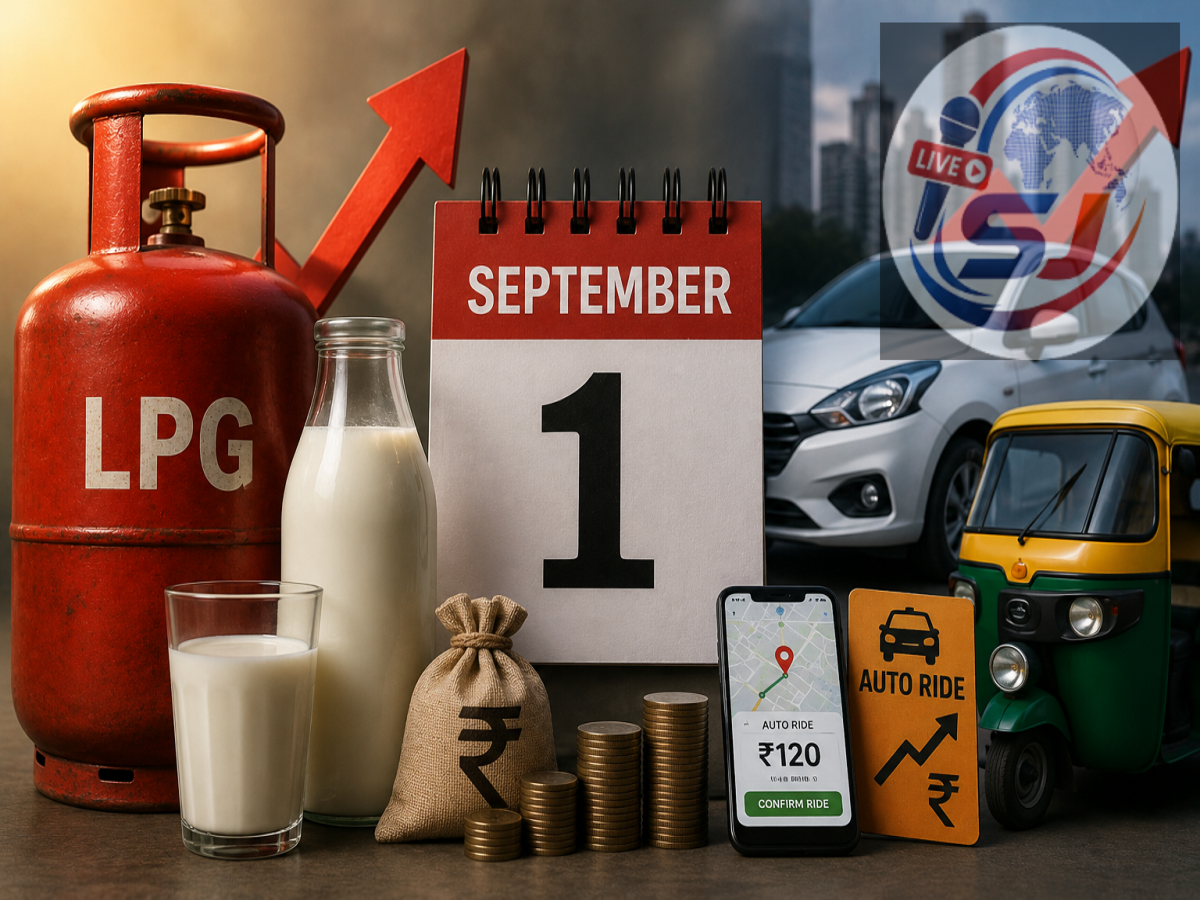
September 2026 has begun with several changes that could directly affect household budgets and everyday expenses. From LPG cylinders and milk to vehicles and transportation costs, a number of revised prices and rules have come into effect from September 1.
The impact is particularly noticeable in Mumbai, where consumers are facing higher costs across multiple categories. Apart from changes in LPG and milk prices, commuters in the city will also have to spend more on autorickshaw journeys.
Some of the changes have implications across the country, while others are specific to certain cities or states. Consumers should therefore check which revised rates and rules apply in their location.
Here are five important changes taking effect from September 1, 2026.
1. Commercial LPG Cylinders Become More Expensive
One of the most significant changes at the beginning of September is the increase in commercial LPG cylinder prices.
Oil marketing companies have revised the rates of 19-kg commercial LPG cylinders, which are commonly used by restaurants, hotels, cafés, caterers and other commercial establishments.
The increase means businesses dependent on LPG for cooking and other operations will have to spend more on fuel from September 1.
A rise in commercial LPG prices may not immediately increase household cooking expenses if domestic cylinder rates remain unchanged, but it can indirectly affect consumers.
Restaurants and other food businesses use commercial cylinders extensively. A sustained rise in their operating costs can eventually put pressure on food and service prices.
Smaller LPG cylinders have also seen a price revision, adding to the list of fuel-related changes at the beginning of the month.
2. Milk Prices Rise in Mumbai
Milk has also become more expensive for consumers in Mumbai from September 1.
The revised rates can directly affect household budgets because milk is a daily-use product for a large number of families. Even a relatively small increase per litre can result in a noticeable rise in monthly grocery expenditure when calculated over several weeks.
Higher milk prices can also affect businesses that consume large quantities of dairy products, including tea shops, sweet shops, bakeries, cafés, restaurants and caterers.
The impact may consequently extend beyond the price consumers pay for a packet of milk. Businesses facing higher input costs could also reassess prices of milk-based products if the increase significantly affects their operating expenses.
3. Buying a Car Could Cost More
September has also brought changes for people planning to purchase a new vehicle.
Vehicle prices have been revised by some automobile manufacturers, potentially making selected cars more expensive from the beginning of the month.
Car prices can be adjusted for several reasons, including changes in production costs, raw material expenses, logistics, technology upgrades and other business-related factors.
For customers who were planning a vehicle purchase, the revised prices mean it is important to check the latest ex-showroom price instead of relying on rates quoted in August.
The final amount paid by a buyer can also include registration charges, insurance and other applicable costs, so even a change in the ex-showroom price can alter the overall purchase budget.
Prospective buyers should confirm the latest price, variant-specific changes and available offers directly with an authorised dealership before making a booking.
4. Mumbai Autorickshaw Travel Gets Costlier
Daily commuting has also become more expensive for autorickshaw passengers in Mumbai.
A revised fare structure has taken effect from September 1, meaning passengers may now have to pay more for their regular journeys.
The increase is particularly relevant for people who depend on autorickshaws for daily office commutes, railway station connectivity, school trips and short-distance travel.
An increase of even a few rupees per journey can have a larger monthly impact on passengers who take multiple rides every day.
For example, someone using an autorickshaw twice daily for work can make dozens of paid journeys in a month. Any increase in the applicable fare can therefore add to the person's regular transportation budget.
5. Several Household Expenses Change With the New Month
The beginning of a new month frequently brings financial and regulatory changes, and September is no exception.
Changes in the prices of essential or frequently used products can have a cumulative impact on consumers. A household may individually absorb a rise in milk prices, transportation fares or other expenses, but several increases taking effect together can put additional pressure on the monthly budget.
Businesses can face a similar situation.
Higher commercial LPG prices can increase cooking costs, while more expensive milk can affect food and beverage businesses. Transportation and vehicle-related cost changes can further influence operational expenses for businesses that depend on regular mobility or deliveries.
Mumbai Consumers May Feel a Bigger Impact
Mumbai stands out in the September 1 changes because residents are facing revisions across multiple everyday categories.
Milk prices and autorickshaw fares directly affect routine household spending, while LPG-related changes can increase costs for restaurants and other commercial establishments. Vehicle price revisions may also affect consumers planning a major purchase.
The combined impact makes it particularly important for households to reassess their monthly spending plans.
Check New Prices Before Making Payments or Purchases
Consumers should remember that not every September 1 change applies uniformly across India. Some price revisions are national, while others may be restricted to specific states, cities, companies or product categories.
Before purchasing an LPG cylinder, vehicle or other product, customers should therefore verify the latest applicable rate from the official company or authorised service provider.
Similarly, commuters should check revised local transport fares where applicable.
With LPG, milk, vehicles and transportation becoming costlier in different markets, September 2026 has started with several changes that could affect everyday spending. Keeping track of the latest rates can help households understand the additional financial burden and adjust their monthly budgets accordingly.