
SBI Basic Savings Account Rules Changing From October 1: Check New Cash Withdrawal Charges
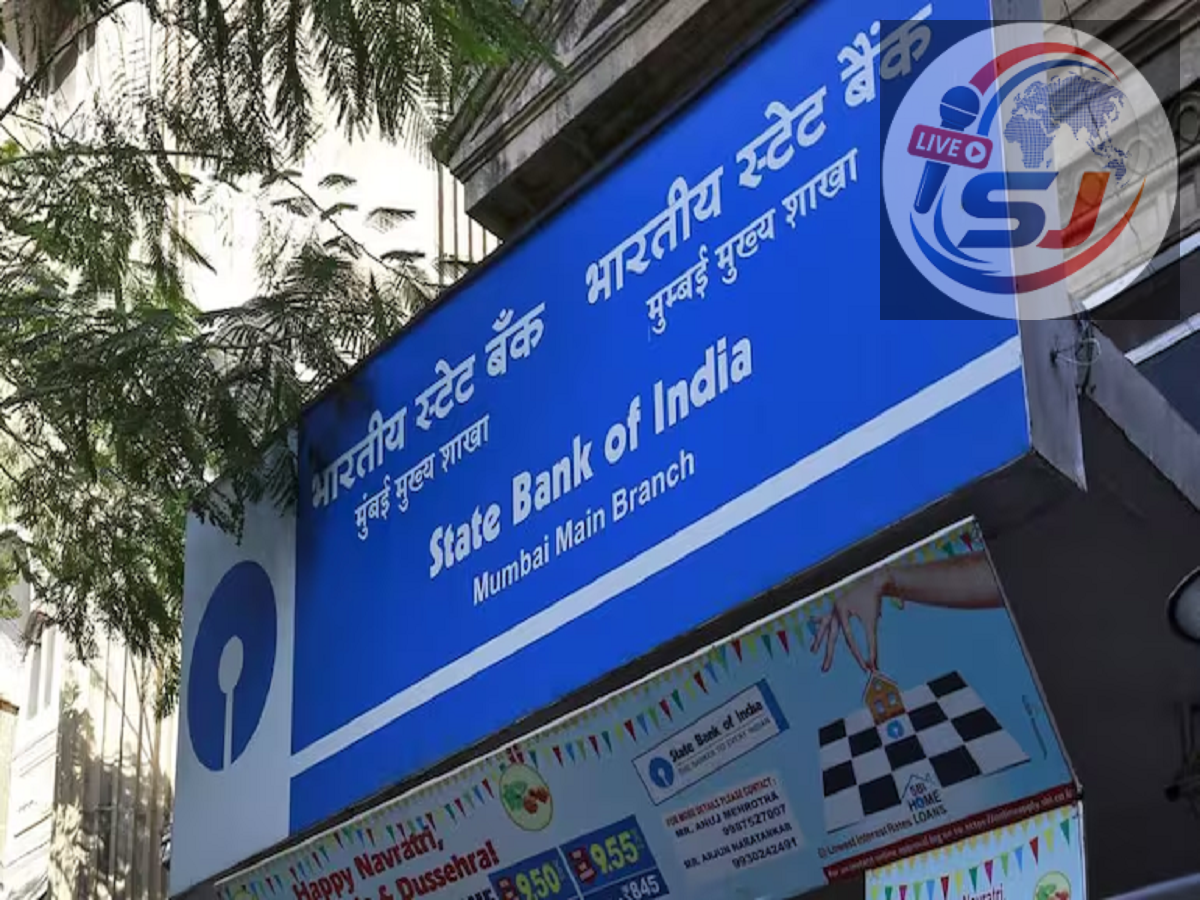
State Bank of India (SBI) customers holding a Basic Savings Bank Deposit (BSBD) account should take note of an important change scheduled to take effect from October 1, 2026. The bank has revised its service-charge structure for cash withdrawals made at branches, introducing a monthly limit on free transactions for the specified BSBD account category.
Under the revised structure cited in the bank's circular, customers will be allowed a certain number of branch cash withdrawals every month without paying a service fee. Once that limit is crossed, additional withdrawals will attract a transaction charge along with applicable GST.
The change is particularly relevant for customers who frequently visit SBI branches to withdraw cash instead of relying primarily on digital payments or other banking channels.
What Will Change From October 1?
According to the revised charge schedule, SBI's Basic Savings Bank Deposit account under the specified product code 1011-1701 will provide up to four free cash withdrawals at a bank branch each month.
Once these four free transactions have been used, subsequent branch cash withdrawals during the same month will attract a charge of ₹15 per transaction plus applicable GST.
The revised rules are scheduled to become applicable from October 1, 2026.
Customers should note that the charge is linked to the number of eligible transactions rather than simply the total amount withdrawn.
How Will the New Charge Work?
Suppose an SBI BSBD customer visits a branch six times during a month and withdraws cash on each visit.
Under the revised structure, the first four qualifying withdrawals would remain free. The fifth and sixth transactions would each attract a service charge of ₹15 plus GST.
That means customers who routinely make several small withdrawals from branches could end up paying more than customers who plan their cash requirements and make fewer transactions.
The change therefore makes it important to keep track of how frequently cash is being withdrawn through the branch.
What Is an SBI Basic Savings Bank Deposit Account?
A Basic Savings Bank Deposit account is intended to provide customers with essential banking services without the requirement of maintaining a regular minimum balance.
These accounts are particularly useful for customers who need basic banking facilities and may not want the balance requirements associated with some other savings-account products.
BSBD accounts generally provide facilities such as deposits, withdrawals and basic banking access subject to the bank's applicable terms and regulatory requirements.
However, a zero-minimum-balance requirement does not necessarily mean that every transaction or service will remain free without limits.
Customers should therefore distinguish between minimum-balance rules and transaction-related service charges.
Who Is Most Likely to Be Affected?
The revised rule is likely to have the greatest impact on SBI BSBD customers who regularly visit their branch and withdraw cash more than four times in a month.
For example, customers who withdraw small amounts every few days may cross the free limit relatively quickly.
Those who generally make only one or two branch withdrawals each month may see little or no difference.
Customers who primarily use digital payment methods for everyday expenses may also have less need to make repeated cash withdrawals.
Does the Rule Apply to Every SBI Savings Account?
This is an important distinction.
The reported change relates specifically to the identified Basic Savings Bank Deposit account category, rather than automatically applying to every SBI savings-bank customer.
SBI offers different types of savings accounts, and transaction limits and service charges can vary according to the account product.
Therefore, customers should first check which type of savings account they hold before assuming that the new ₹15-plus-GST charge applies to them.
Account details may be available through bank statements, internet banking, the mobile banking application or directly from SBI.
What About ATM Withdrawals?
Customers should also avoid assuming that the branch withdrawal rule automatically determines how ATM transactions will be charged.
ATM withdrawals can be governed by separate free-transaction limits and service-charge rules.
These limits may depend on factors such as the type of account, whether the transaction is made at an SBI ATM or another bank's ATM, and other applicable banking rules.
Customers planning to shift from branch withdrawals to ATMs should therefore check the latest ATM transaction conditions applicable to their particular account.
How Can Customers Reduce Unnecessary Charges?
BSBD customers who frequently withdraw cash can make a few changes to their banking habits.
One option is to estimate monthly cash requirements and reduce the number of separate branch withdrawals. Instead of withdrawing small amounts repeatedly, customers could consolidate their cash needs into fewer transactions where practical and safe.
Digital payments can also reduce dependence on cash. UPI, QR-code payments, debit cards and internet banking can be used for many routine purchases and bill payments.
However, customers should choose payment methods according to their own accessibility and comfort rather than withdrawing unnecessarily large amounts of cash merely to avoid a small service charge.
Keep Track of Your Monthly Transactions
Because the free limit resets according to the applicable monthly cycle, keeping track of branch withdrawals can help prevent unexpected deductions.
For example, if a customer has already completed four qualifying branch cash withdrawals during a month, another branch withdrawal could attract the prescribed charge.
Checking transaction history through a passbook, statement, mobile banking or internet banking can make this easier.
Why Basic Account Customers Should Check the Fine Print
Basic savings accounts are often associated with low-cost banking, but customers should still understand the conditions attached to individual services.
Charges can vary depending on the transaction channel and account variant.
A customer may have no minimum-balance requirement but could still face charges for transactions beyond a specified free limit or for certain optional services.
This is why account holders should periodically review their bank's latest schedule of charges.
Don't Confuse the New Rule With a Charge on Every Withdrawal
The revised structure does not mean that SBI will charge ₹15 every time an eligible BSBD customer withdraws cash from a branch.
The first four qualifying branch cash withdrawals in a month will remain free under the reported schedule.
The ₹15 charge plus GST becomes relevant only after the prescribed free limit has been exhausted.
This distinction is particularly important because headlines suggesting that "SBI cash withdrawals are becoming chargeable" could give the impression that every SBI customer or every withdrawal will attract a fee.
What SBI Customers Should Do Before October 1
Customers holding a Basic Savings Bank Deposit account should check their exact account variant and review SBI's latest official schedule of service charges before the revised structure becomes effective.
Those who make more than four branch cash withdrawals every month can also consider changing how they manage routine expenses.
The key takeaway is simple: from October 1, 2026, the reported revised structure allows four free branch cash withdrawals per month for the specified SBI BSBD account, while additional withdrawals will cost ₹15 per transaction plus applicable GST.
The change does not automatically apply in the same way to every SBI savings account, so customers should verify their account category before worrying about additional charges.
Disclaimer: This article is for general informational purposes only. Banking charges, transaction limits and account conditions may be revised by the bank. Customers should verify the latest service-charge schedule and account-specific rules through official SBI channels before carrying out transactions.