
RBI Polymer Notes Plan: ₹10 and ₹20 Currency Could Get a New Look as Global Firms Join Tender
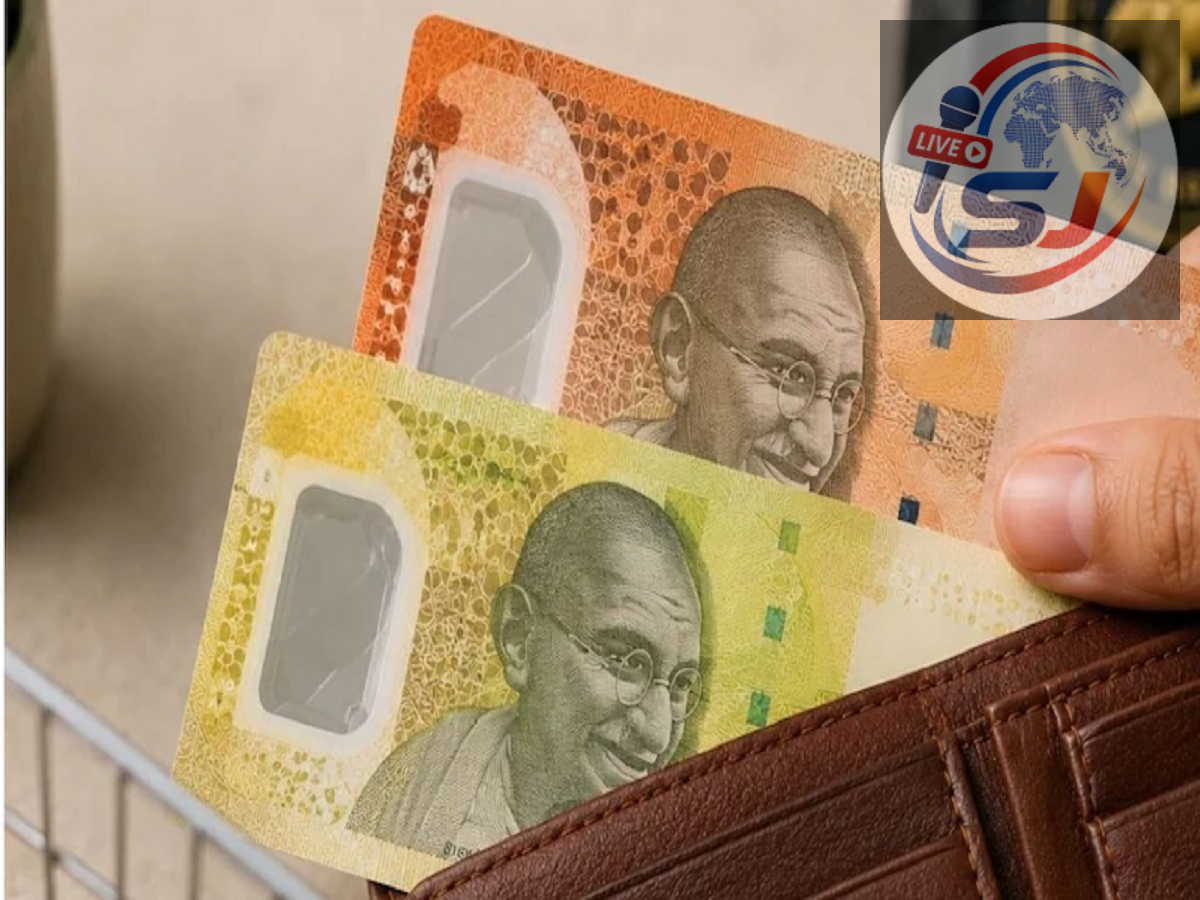
India could move a step closer to introducing polymer currency notes, with preparations underway to procure specialised material that may eventually be used for printing ₹10 and ₹20 banknotes. The initiative has attracted interest from Indian and international companies specialising in polymer substrates and currency-related technology.
Bharatiya Reserve Bank Note Mudran Private Limited (BRBNMPL), a wholly owned subsidiary of the Reserve Bank of India (RBI), has initiated a procurement process for polymer substrates. According to the information available, two overseas companies and an Indian company have submitted bids connected with the project.
The plan is significant because Indian banknotes have traditionally been produced using cotton-based paper substrates. Polymer notes, by comparison, are designed to withstand moisture, dirt and regular wear for a longer period.
However, the development should not be interpreted as confirmation that all existing paper notes will soon disappear. The current process relates to the proposed use of polymer material, with ₹10 and ₹20 denominations being considered in the initial phase.
RBI's Polymer Currency Project Comes With Strict Conditions
Security is understandably one of the most important considerations in any project involving Indian currency.
According to the details of the tender, BRBNMPL has introduced two notable conditions for participating companies.
The first concerns bidders that may have business activities connected with China or Pakistan. Companies are required to provide an undertaking that their Indian operations will remain completely separated from activities they may have in either of these countries.
The requirement has been included considering the sensitive nature of currency production and the importance of protecting India's banknote supply chain.
The second condition concerns the composition of the polymer material itself.
No Animal Fat or Animal DNA in Polymer Sheets
Companies participating in the process are required to certify that the polymer sheets supplied for Indian banknotes will not contain animal fat or animal DNA.
The issue has previously generated controversy in other countries. Polymer banknotes in the UK, for example, faced criticism over the use of animal-derived material during their production.
The Indian procurement process is therefore placing specific restrictions on such material.
This requirement could be particularly relevant in India, where the use of animal-derived ingredients in a product handled daily by millions of people could become a sensitive issue.
BRBNMPL Reportedly Requires 68,000 Reams
The scale of the proposed procurement is substantial.
According to the information cited in the report, BRBNMPL has an immediate requirement for approximately 68,000 reams of polymer substrate for Indian banknote production.
Each ream is expected to contain 500 sheets of polymer film.
However, submitting a bid does not automatically qualify a company to supply the material. Participating firms will first have to provide samples for evaluation.
The samples are expected to undergo testing under different climatic conditions across India. This could be particularly important because currency notes in India are exposed to widely varying temperatures, humidity levels and environmental conditions.
Only companies whose samples successfully meet the required standards are expected to progress to the final tender stage.
Major International Players Show Interest
Several well-known companies associated with polymer and banknote technology have reportedly shown interest in supplying substrates for the project.
Indian company Cosmo First has partnered with UK-based De La Rue for the tender. Under the partnership described in the report, De La Rue would provide expertise related to polymer substrate technology and security features.
Australia-based CCL Secure is another participant highlighted in the process. According to the supplied information, the company provides polymer banknote solutions to more than 40 central banks worldwide.
CCL Secure claims its polymer banknotes can last up to six times longer than traditional cotton-based currency notes.
Vietnam-based Q&T High-Tech Polymer has also submitted a bid. The company has claimed significant cost savings from polymer currency compared with conventional cotton-based notes in Vietnam.
How Could Polymer Notes Differ From Existing Currency?
One of the biggest potential advantages of polymer banknotes is durability.
Traditional currency can deteriorate after repeated folding, exposure to moisture, dirt and extensive circulation. Lower-denomination notes are particularly vulnerable because they frequently change hands.
Polymer substrates are designed to tolerate these conditions more effectively.
According to claims cited in the source material, some polymer banknotes may remain usable for substantially longer than conventional cotton-based notes.
A longer lifespan could potentially reduce how frequently damaged notes need to be withdrawn and replaced, although the overall economic benefit would depend on production costs and several other factors.
Advanced Features Could Make Counterfeiting More Difficult
Security is another major reason countries have adopted polymer banknotes.
Polymer currency can incorporate transparent windows and sophisticated security elements that are difficult to reproduce using ordinary printing techniques.
These features are designed to make genuine currency easier to authenticate while creating additional barriers for counterfeiters.
However, describing any banknote as completely impossible to counterfeit would be misleading. Security technologies are intended to make counterfeiting substantially more difficult rather than guarantee that it can never occur.
Polymer Notes May Also Stay Cleaner
Another claimed advantage is cleanliness.
Because polymer does not absorb moisture in the same way as conventional banknote material, such notes can be more resistant to dirt and environmental exposure.
Their smoother and less absorbent surface may also make them easier to keep clean during circulation.
For a country such as India, where cash continues to pass through a huge number of hands every day, durability and cleanliness could be important considerations when evaluating new banknote materials.
Will ₹10 and ₹20 Paper Notes Disappear Soon?
Not necessarily.
The procurement process indicates that India is exploring polymer substrates and assessing potential suppliers. It should not automatically be interpreted as an announcement that existing ₹10 and ₹20 paper notes are being immediately withdrawn or replaced.
Testing is an important part of the process. Samples submitted by companies are expected to undergo evaluation under India's varied climatic conditions before successful suppliers can move forward.
The outcome of those evaluations and the subsequent procurement process will determine how the project progresses.
For now, the development represents an important step in India's exploration of more durable banknote technology. If the proposed polymer currency project eventually moves ahead, ₹10 and ₹20 notes could become the first denominations to showcase a significant change in the material used for everyday Indian cash.