
Rajasthan Launches Saundh Mati and Other Heritage Documentation Scheme to Preserve Tribal Culture and Traditions
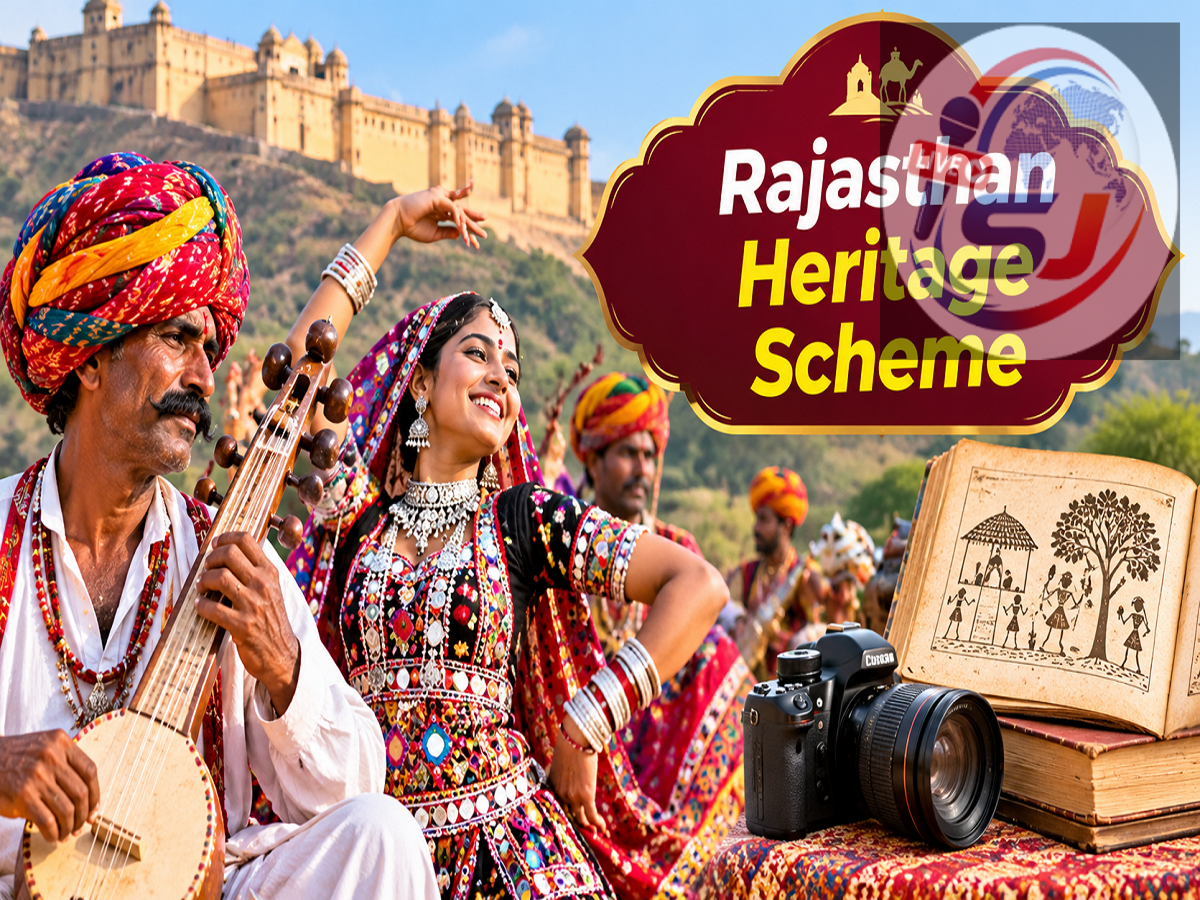
Rajasthan Tribal Heritage Scheme 2026: The Rajasthan government has introduced the Saundh Mati and Other Heritage Documentation Scheme to protect, document and promote the rich cultural traditions of tribal communities across the state. The initiative focuses on preserving traditional knowledge, cultural practices and heritage that form an important part of Rajasthan's identity.
The scheme reflects an effort to ensure that valuable cultural traditions are recorded and passed on to future generations. Tribal communities have contributed significantly to Rajasthan's cultural diversity through their traditional music, dance, art, customs, languages and indigenous knowledge systems.
The announcement has been shared in connection with the state government's cultural heritage initiatives under Chief Minister Bhajan Lal Sharma.
What Is the Saundh Mati and Other Heritage Documentation Scheme?
The Saundh Mati and Other Heritage Documentation Scheme is an initiative aimed at preserving and promoting the cultural heritage of tribal communities.
The central objective is to ensure that traditional practices and cultural knowledge are not lost as lifestyles and social conditions change.
Documentation can play an important role in protecting heritage, particularly traditions that are passed down orally rather than preserved in written records.
By creating records of cultural practices, authorities can help future generations understand the history, identity and contributions of tribal communities.
The announcement identifies heritage preservation and promotion as the scheme's main objectives. Detailed operational guidelines, including funding arrangements and implementation procedures, have not been provided in the supplied announcement.
Why Is Tribal Heritage Preservation Important in Rajasthan?
Rajasthan is home to several tribal communities with distinctive cultural identities and traditions.
Communities such as the Bhil, Meena, Garasia and Sahariya have contributed to the state's cultural landscape through their customs, traditional arts, folklore and community practices.
Many traditions are preserved through storytelling, festivals, music, dance and knowledge shared between generations.
However, changes in employment patterns, migration, urbanisation and modern lifestyles can affect the continuity of traditional practices.
Cultural documentation helps create a record of these traditions and supports efforts to keep them accessible to younger generations.
It can also provide valuable material for researchers, historians, cultural organisations and educational institutions.
What Types of Tribal Heritage Could Be Documented?
Although the detailed scope of the scheme has not been specified in the announcement, tribal heritage documentation generally covers several important areas.
These may include:
-
Traditional music and dance: Folk songs, musical instruments, performances and ceremonial dances associated with tribal communities.
-
Oral history and folklore: Stories, legends and community narratives passed down through generations.
-
Traditional arts and crafts: Indigenous painting styles, handicrafts, decorative techniques and locally developed artistic practices.
-
Languages and dialects: Community-specific vocabulary, expressions and oral communication traditions.
-
Festivals and customs: Traditional celebrations, rituals and social practices that reflect community identity.
-
Indigenous knowledge: Traditional agricultural practices, environmental knowledge and other skills developed over generations.
These are examples of the kinds of heritage that documentation programmes can preserve, rather than a confirmed list of activities approved under the Saundh Mati scheme.
How Can Cultural Documentation Benefit Tribal Communities?
Preserving cultural heritage can offer benefits beyond maintaining historical records.
When traditions are documented accurately and respectfully, younger generations can gain access to knowledge that might otherwise become difficult to recover.
Such records can also help communities communicate their cultural identity to a wider audience.
Heritage preservation may support educational activities, cultural exhibitions and community-led initiatives.
Traditional artists and craftspeople could also benefit from greater recognition of their work if suitable promotional programmes are developed.
However, any economic benefits, financial assistance or direct support to artists would depend on the scheme's official provisions.
The available announcement does not confirm specific payments, grants or subsidies for individual beneficiaries.
Role of Tribal Communities in Preserving Their Heritage
Community participation is essential for meaningful cultural documentation.
Traditional knowledge is often held by elders, artists, performers, craftspeople and other members of tribal communities.
Their involvement can help ensure that recorded information accurately represents the customs and beliefs associated with particular traditions.
Documentation initiatives are most effective when communities have an opportunity to explain the cultural significance of their practices in their own words.
Respect for local customs, informed consent and appropriate handling of sensitive cultural information are also important considerations.
A community-centred approach can help ensure that preservation efforts benefit the people whose heritage is being documented.
Could the Scheme Help Promote Rajasthan's Cultural Identity?
Rajasthan is widely recognised for its forts, palaces, folk traditions and historic monuments.
However, the state's cultural identity also includes the living traditions of tribal communities.
Promoting awareness of these traditions can help create a broader understanding of Rajasthan's cultural diversity.
Documented cultural material may also support museums, archives, academic research and educational resources.
If future implementation guidelines include community exhibitions or cultural promotion activities, the scheme could provide additional opportunities to highlight tribal traditions.
The exact nature of such activities will depend on subsequent government decisions.
Who Will Be Eligible Under the Scheme?
The announcement states that the initiative is intended to preserve and promote tribal cultural heritage.
However, it does not specify whether individuals, cultural organisations, researchers or community institutions will be eligible to apply for assistance.
Similarly, no application process, eligibility criteria, financial assistance amount or registration deadline has been confirmed in the information provided.
Interested individuals should wait for official guidelines before assuming that the scheme offers direct monetary benefits.
Where Can People Find Official Scheme Details?
Residents, tribal community organisations and cultural researchers seeking further information should refer to official Rajasthan government announcements.
The relevant departments may publish additional information about the scheme's implementation, documentation procedures and participating institutions.
Official updates can be checked through the Rajasthan Government website.
Applicants should avoid relying on unofficial claims about registration fees, financial incentives or guaranteed benefits unless these details are supported by government notifications.
Rajasthan Tribal Heritage Scheme 2026: Key Takeaways
The launch of the Saundh Mati and Other Heritage Documentation Scheme highlights the importance of preserving the cultural identity of Rajasthan's tribal communities.
The initiative is intended to support the documentation and promotion of valuable cultural traditions, including forms of heritage that may not have been systematically recorded.
By preserving knowledge associated with tribal communities, such efforts can help strengthen cultural awareness and create resources for future generations.
However, important administrative details, including the scheme's budget, eligibility conditions and implementation process, remain to be clarified through official guidelines.
For now, the central objective is clear: protecting Rajasthan's tribal cultural heritage and ensuring that its traditions continue to receive recognition.
Source Credit: Rajasthan Government public announcement regarding the Saundh Mati and Other Heritage Documentation Scheme, shared with reference to Chief Minister Bhajan Lal Sharma and the #आपणो_अग्रणी_राजस्थान initiative. The announcement confirms the scheme's launch and broad objective; additional explanatory background is provided for public awareness.