
PM Surya Ghar Scheme Expands Rapidly as Rooftop Solar Installations Cross 60 Lakh Homes
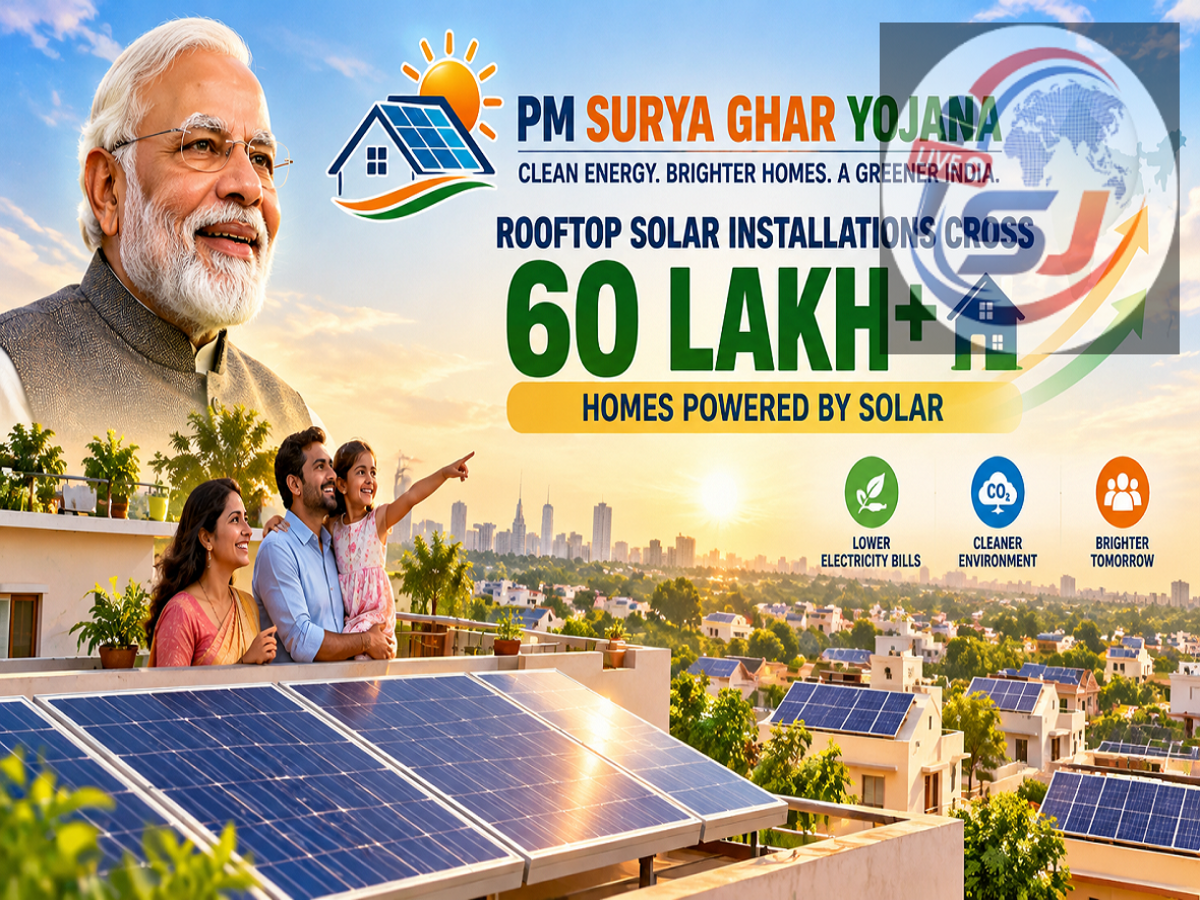
The PM Surya Ghar Muft Bijli Yojana is witnessing rapid expansion across India, with the number of households covered under the rooftop solar initiative reportedly crossing the 60 lakh mark. The latest milestone highlights the growing interest among households in installing rooftop solar systems to reduce dependence on conventional electricity and bring down monthly power expenses.
According to the information reported on October 7, 2026, one of the most striking developments is the speed at which the scheme has expanded recently. The number of households associated with the programme reportedly increased from 50 lakh to 60 lakh within around two months.
Even more notably, the latest one lakh connections were added in just six days, indicating a sharp acceleration in rooftop solar adoption.
What Is PM Surya Ghar Muft Bijli Yojana?
PM Surya Ghar Muft Bijli Yojana is a central government initiative designed to encourage residential consumers to install rooftop solar power systems. Instead of depending entirely on electricity supplied through the conventional grid, eligible households can generate electricity using solar panels installed on their rooftops.
The scheme aims to make residential solar installations more affordable by providing financial assistance to eligible consumers. Depending on the size and capacity of the rooftop solar system, households can receive government support that reduces the initial cost of installation.
The programme is also associated with the goal of enabling eligible households to generate enough solar electricity to substantially reduce their electricity bills.
10 Lakh More Households Added in Around Two Months
The pace of expansion is one of the key highlights of the latest update.
The scheme reportedly took only around two months to move from 50 lakh households to 60 lakh households. This means approximately 10 lakh additional households were brought within the programme during this period.
The addition of around one lakh connections within six days further indicates that rooftop solar installations are gaining momentum.
Several factors can encourage households to consider rooftop solar, including rising awareness about renewable energy, the possibility of lowering electricity expenses and government subsidies that reduce the upfront installation burden.
However, the actual financial benefit for an individual household can vary depending on factors such as the size of the solar system, local electricity consumption, available rooftop space, sunlight conditions and applicable state-level electricity regulations.
How Can Consumers Apply for the Scheme?
Households interested in PM Surya Ghar Muft Bijli Yojana can use the designated government portal to begin the application process.
Applicants generally need to register using basic consumer and electricity connection information. After registration, consumers can proceed with the required application and approval process for rooftop solar installation.
Once the required approvals are received, the solar system must be installed according to the programme's prescribed procedure, typically through an eligible or registered vendor.
After installation, further steps such as inspection, net-metering requirements and submission of the necessary documentation may need to be completed before the subsidy process is finalised.
Consumers should carefully verify the latest eligibility requirements and application procedure on the official portal before making payments or selecting an installer.
Why Are Rooftop Solar Systems Attracting Households?
The biggest attraction of residential rooftop solar is the opportunity to generate electricity directly at home.
During daylight hours, solar panels convert sunlight into electricity that can be used for household requirements. Depending on the system, local rules and electricity distribution company arrangements, surplus generation may also be handled through a net-metering mechanism.
For households with suitable rooftops and regular daytime electricity consumption, this can reduce the amount of electricity purchased from the grid.
At the same time, consumers should remember that rooftop solar does not automatically mean that every household will receive a zero electricity bill. Actual savings depend on electricity consumption, solar generation, system capacity, tariffs, weather conditions and applicable billing rules.
Check Eligibility Before Installing Solar Panels
Consumers planning to benefit from the scheme should first check whether their electricity connection and property meet the applicable requirements.
The rooftop should have adequate space and receive sufficient sunlight for efficient generation. Applicants should also ensure that their electricity connection details and other required documents are correct to avoid unnecessary delays during registration, installation or subsidy processing.
It is also advisable to use authorised channels and verify vendor credentials instead of responding to unsolicited calls or messages claiming guaranteed subsidy approval.
Rooftop Solar Adoption Continues to Gain Momentum
Crossing the 60 lakh household level represents another major milestone for PM Surya Ghar Muft Bijli Yojana. The reported jump from 50 lakh to 60 lakh households in roughly two months, along with one lakh additional connections in only six days, shows how quickly participation has expanded.
For consumers, however, the decision to install rooftop solar should be based on their electricity usage, available rooftop area, installation cost and expected generation rather than the headline subsidy alone.
Households interested in joining the scheme should check the latest official guidelines, subsidy structure and application requirements before proceeding with installation.