
PF Deducted From Salary but Not Credited? Here’s How Employees Can Check Their EPFO Contribution Online
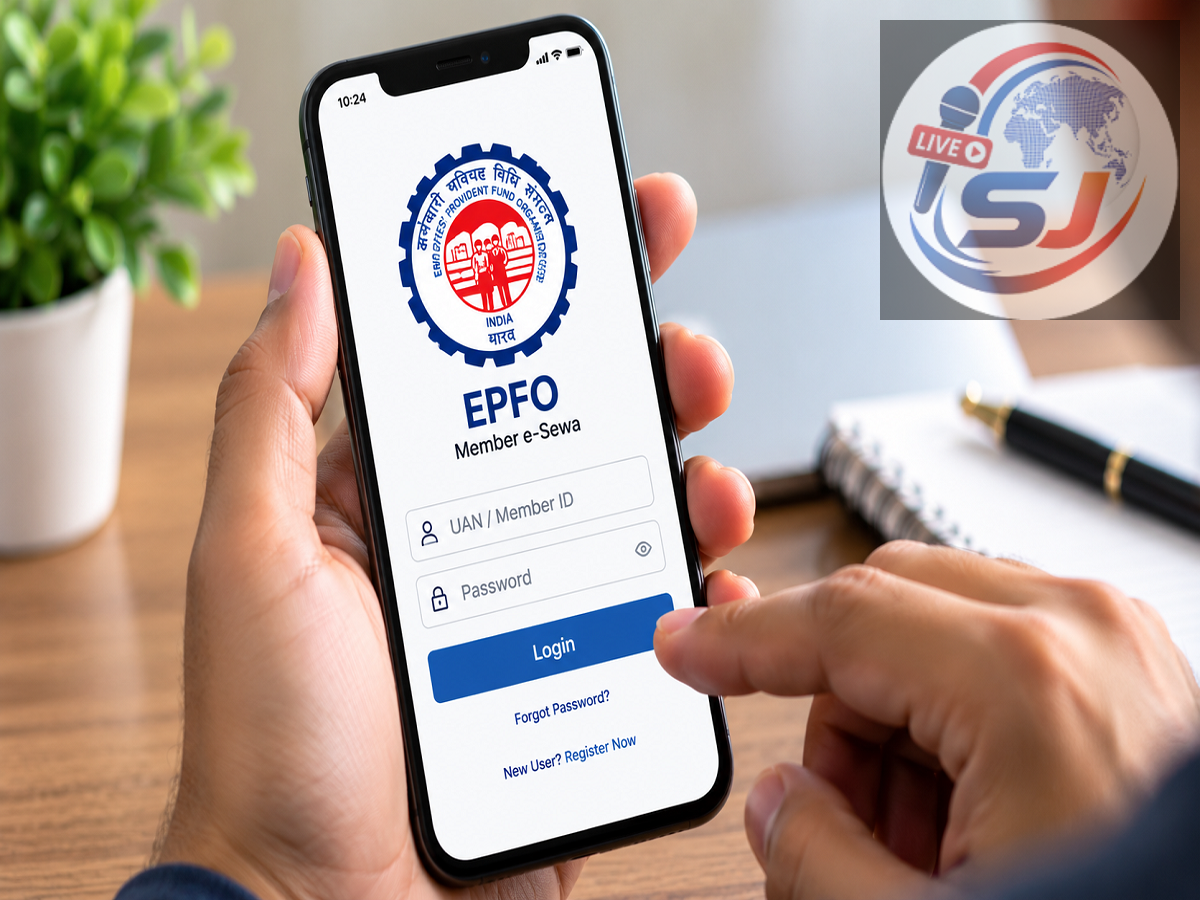
For millions of salaried employees, Provident Fund (PF) is an important part of long-term financial planning. A portion of an eligible employee’s salary is deducted every month as an EPF contribution, while the employer also makes a contribution according to applicable rules.
Many employees assume that once PF has been deducted from their salary, the amount must have automatically reached their EPF account. However, checking the actual credit periodically is a sensible financial habit.
A salary slip showing a PF deduction confirms that an amount was deducted from your salary, but employees should also verify whether the corresponding contribution has been reflected in their EPFO records. Any discrepancy discovered early can be easier to address than one noticed years later while transferring PF, submitting a withdrawal claim or preparing for retirement.
Fortunately, employees can check their contribution history online without visiting an EPFO office.
Why Should You Regularly Check Your PF Account?
EPF savings are accumulated over a long period and can eventually form a substantial part of an employee’s retirement corpus. This makes it important to monitor contributions rather than checking the account only when changing jobs or withdrawing money.
Regular verification helps employees confirm whether monthly contributions are appearing correctly and whether their employment-related PF records are being maintained properly.
It can also help identify missing entries or discrepancies before they become more complicated.
Employees who frequently change jobs should be especially careful because their employment history may involve multiple establishments while their PF records remain linked through their Universal Account Number (UAN).
Check Your EPF Passbook Online
One of the easiest ways to verify PF deposits is through the EPFO passbook facility.
Employees can access the authorised EPFO member services and use their UAN-linked credentials to view their passbook. The passbook contains details of contributions recorded against the member’s PF account.
After logging in, select the relevant Member ID if more than one employment record is linked to your UAN. You can then review the contribution entries for the required period.
Compare these entries with the PF deductions shown on your salary slips.
What Details Should You Compare?
Do not simply check the total PF balance. Look at the contribution history month by month.
Start with your salary slip and note the amount deducted as the employee’s EPF contribution. Then open your EPF passbook and check whether the corresponding contribution has been recorded.
Employees should also review the employer-side entries displayed in the passbook.
Remember that the employer’s contribution may not appear entirely under a single EPF heading because the applicable contribution can be divided between EPF and the Employees’ Pension Scheme (EPS), subject to prevailing rules and eligibility.
Therefore, employees should understand the breakup before assuming that an employer contribution is missing merely because it does not exactly match the employee contribution shown under one column.
What If PF Is Deducted but the Contribution Is Missing?
If your salary slip shows that PF was deducted but you cannot find the corresponding entry in your EPFO passbook, first check the contribution period carefully.
A deduction appearing in a particular month’s salary does not necessarily mean the passbook will update immediately on the same date.
If the contribution remains missing beyond the expected processing period, contact your employer’s payroll or HR department and ask for clarification.
Keep relevant salary slips and other employment records available. These documents may be useful while establishing that PF was deducted from your salary.
If the matter is not resolved through the employer, employees can explore EPFO’s official grievance mechanism and other authorised support channels.
Why Employer Compliance Matters
Deducting PF from an employee’s salary and depositing statutory contributions are separate stages of the process.
Employers covered by the EPF framework are required to comply with the applicable contribution and deposit rules. Employees should therefore not assume that seeing a PF deduction on a payslip is sufficient confirmation that the amount has reached their account.
Checking the EPFO passbook provides an additional layer of verification.
This becomes particularly important when an employee has worked with an organisation for several years. Even a few missing contribution periods can matter when accumulated retirement savings and interest are considered over the long term.
Changing Jobs? Check PF Records Before Moving On
Employees planning to leave an organisation should consider reviewing their EPF contribution history before or soon after their exit.
Check whether contributions for the final months of employment are correctly reflected and whether employment details linked to the UAN are accurate.
Maintaining a single UAN across employment changes can make it easier to manage PF records and transfer eligible balances between Member IDs.
Employees should avoid unnecessarily creating or operating multiple UANs and should follow EPFO’s prescribed process if they encounter duplicate records.
Keep Your UAN and Mobile Details Updated
Access to several EPFO digital services depends on correctly maintained member information. Employees should ensure that their UAN-related details and registered mobile number are kept up to date wherever required.
At the same time, account security should remain a priority.
Never share your UAN password, OTP, Aadhaar authentication details or banking credentials with unknown callers or people claiming they can speed up a PF claim.
Always use authorised EPFO platforms for sensitive account-related activities.
A Simple Monthly Check Can Prevent Future Problems
Employees do not need to monitor their PF account every day. A periodic review of the EPF passbook can be enough to spot potential discrepancies.
Keep salary slips safely, compare PF deductions with contribution entries and raise questions when something does not match.
This small habit can become particularly valuable when you change jobs, transfer your PF balance, apply for an eligible withdrawal or eventually retire.
The key takeaway is straightforward: a PF deduction on your salary slip and a contribution appearing in your EPFO account are two details worth verifying separately. Instead of assuming everything has been credited correctly, employees can use their EPF passbook to keep track of their retirement savings from home.