
Petrol Diesel Prices 2026: Will Fuel Get Cheaper in India as Global Crude Oil Supply Rises?
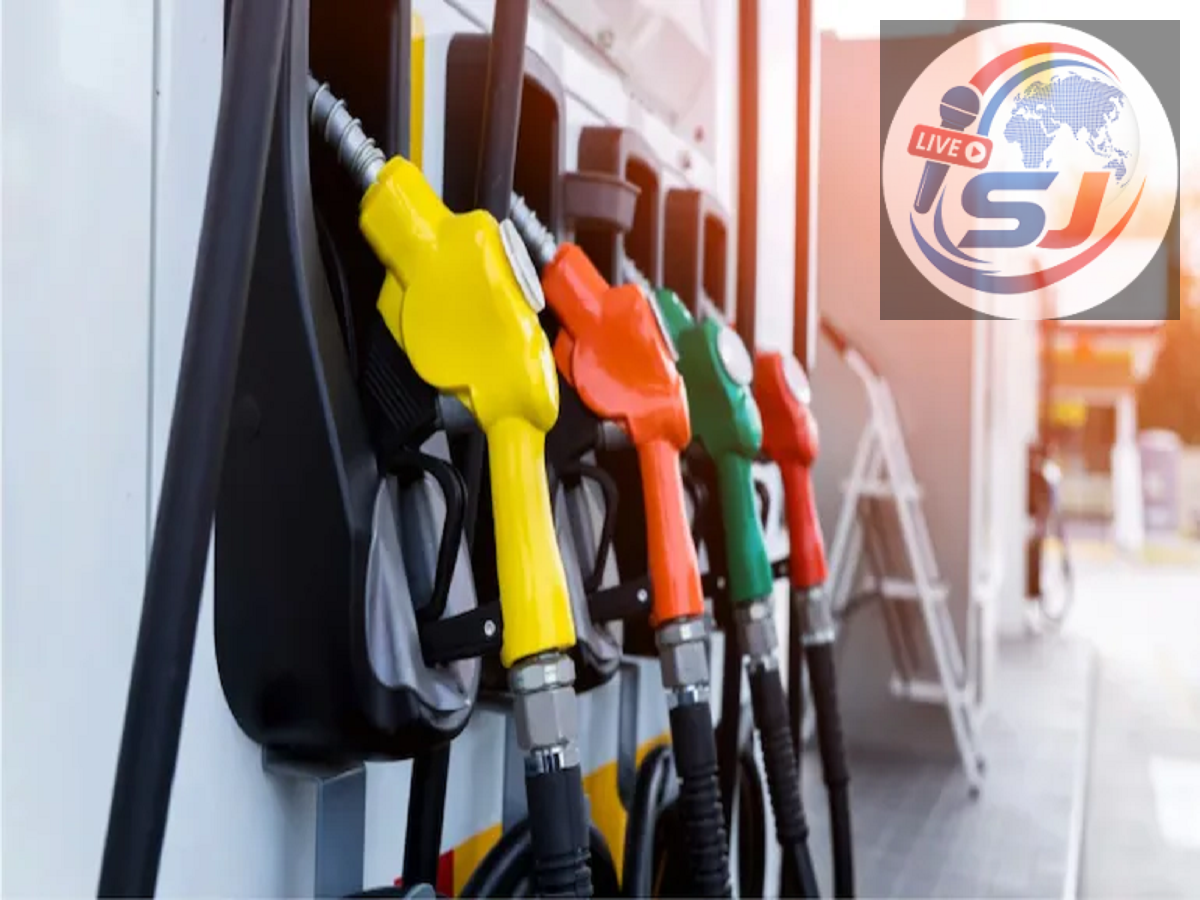
Petrol Diesel Price Update, November 15, 2026: Indian consumers hoping for relief from high petrol and diesel prices may have reason to watch developments in the international crude oil market. Reports suggesting an increase in global oil production have raised expectations that fuel prices could come under downward pressure in the coming months.
According to a report citing the International Energy Agency (IEA), global crude oil availability is expected to improve during the final quarter of 2026. Increased production from major oil-exporting countries, along with relatively weaker demand growth, could influence international oil prices.
For India, which depends heavily on imported crude oil, a sustained decline in global prices could help reduce petroleum import costs.
However, there has been no official announcement confirming a reduction in petrol or diesel retail prices in India. Any future price adjustment will depend on international crude prices, currency movements, taxes and decisions taken by oil marketing companies.
Why Are Expectations of Cheaper Petrol and Diesel Rising?
The possibility of lower fuel prices is linked to changing supply and demand conditions in the international petroleum market.
According to the cited report, global oil supply could average approximately 105 million barrels per day during October–December 2026.
Higher production generally increases the amount of crude oil available to refineries and international buyers.
When supply grows faster than consumption, oil prices may face downward pressure, provided other market conditions remain stable.
The original report also mentions a demand figure of 1.7 million barrels per day. However, this figure is not consistent with total global oil consumption and may refer to a change in demand rather than overall demand.
Therefore, it should not be treated as the world's total daily oil requirement without checking the original IEA data.
The broader expectation is that improved supply conditions could reduce pressure on international crude prices.
Global Oil Supply Outlook: Key Figures
The following figures are based on the cited media report and have not been independently verified against the original IEA publication.
| Indicator | Figure Reported |
|---|---|
| Expected global oil supply in Q4 2026 | Around 105 million barrels per day |
| OPEC+ production in October 2026 | Approximately 41.2 million barrels per day |
| Reported monthly increase in OPEC+ output | Around 2.04 million barrels per day |
| Expected additional output from selected non-OPEC+ producers | Around 1.6 million barrels per day |
| Projected global oil supply in 2027 | Approximately 108.1 million barrels per day |
| Expected oil demand growth in 2027 | Around 2 million barrels per day |
These estimates describe reported international market developments. They are not forecasts of specific petrol or diesel price cuts in India.
Middle East Oil Exports Could Influence Global Prices
The Middle East remains one of the most important regions for global crude oil production and exports.
Any disruption affecting major oil-producing countries can influence international energy markets.
The cited report suggests that some Gulf producers have been working to restore production and export activity following regional tensions.
If oil exports increase and supply routes operate more consistently, additional crude could become available to international buyers.
However, geopolitical developments remain an important source of uncertainty.
Unexpected disruptions to oil fields, shipping routes or export infrastructure could quickly change market expectations.
This means that higher production alone does not guarantee a sustained decline in crude prices.
Why Is the Strait of Hormuz Important?
The Strait of Hormuz is a strategically significant shipping route connecting the Persian Gulf with international markets.
A substantial volume of internationally traded petroleum passes through this region.
Consequently, developments affecting maritime security can influence oil transportation costs, delivery schedules and market sentiment.
The cited report refers to concerns about tanker movements and vessels operating with tracking systems switched off.
Such activity is sometimes described as dark shipping or dark crossings.
However, switching off vessel tracking systems can create safety and monitoring risks. It should not be interpreted as a standard or universally approved method of transporting petroleum.
For oil-importing countries, stable shipping routes remain important because disruptions can increase costs even when crude production is rising.
OPEC+ Production Reportedly Increased in October
The Organization of the Petroleum Exporting Countries and its partners, collectively known as OPEC+, play a major role in global oil supply.
Production decisions by these countries can influence international crude oil prices.
According to the cited report, OPEC+ crude production reached approximately 41.2 million barrels per day in October 2026.
The report describes this as an increase of around 2.04 million barrels per day compared with September.
It also claims that production had recovered to approximately 97% of an earlier reference level.
These figures require confirmation through official production statistics.
If major oil producers continue increasing output while global demand remains relatively subdued, the additional supply could place downward pressure on crude prices.
However, OPEC+ may adjust production policies in response to changing market conditions.
Oil Production May Also Rise Outside OPEC+
The global petroleum market is influenced by production from countries outside the OPEC+ group.
The United States, Canada, Brazil, Argentina and Guyana are among the countries mentioned in the report as potential contributors to additional supply.
Combined production growth from selected producers is estimated in the cited article at approximately 1.6 million barrels per day.
Higher output from multiple regions could make the global market less dependent on any single production area.
The report also projects worldwide oil supply of approximately 108.1 million barrels per day in 2027.
However, future production depends on investment decisions, infrastructure capacity, operational conditions and international market developments.
These projections should be regarded as estimates rather than guaranteed outcomes.
Is Global Demand for Crude Oil Slowing?
Oil demand is closely connected with economic activity.
Transportation, manufacturing, aviation, shipping and industrial production all contribute to petroleum consumption.
When economic growth slows or energy costs remain elevated, demand growth may weaken.
The cited report suggests that higher oil prices have affected consumption and mentions a reduction of approximately 2.7 million barrels per day.
However, the period and basis of this reported decline are not clearly established in the supplied material.
It also refers to expected demand growth of around 2 million barrels per day in 2027.
The relationship between supply and demand will be crucial in determining the future direction of crude prices.
If supply expands more rapidly than demand, prices could soften. Conversely, stronger consumption or unexpected production disruptions could support higher prices.
How Could Lower Crude Oil Prices Benefit India?
India imports a substantial portion of the crude oil required to meet domestic petroleum demand.
As a result, international oil prices directly influence the country's petroleum import bill.
A sustained reduction in crude prices could lower the cost of purchasing oil from overseas suppliers.
This may improve the operating environment for domestic refiners and oil marketing companies.
Lower petroleum import costs can also have broader economic implications, including effects on transportation expenses, business costs and inflation.
However, the benefits depend on how international price movements are transmitted through the domestic energy market.
A decline in crude oil prices does not necessarily produce an immediate reduction at petrol pumps.
Why Do Petrol and Diesel Prices Not Fall Immediately?
Retail fuel prices in India are influenced by several factors beyond the international cost of crude oil.
These include:
-
International crude prices: The cost of purchasing petroleum from global suppliers.
-
Rupee-dollar exchange rate: A weaker rupee can increase the cost of imported crude.
-
Central government taxes: Applicable excise duties influence retail fuel prices.
-
State-level VAT: Different tax rates contribute to price differences between states.
-
Refining and distribution costs: Processing, transportation and marketing expenses affect the final price.
-
Oil marketing company decisions: Retail pricing depends on the policies and commercial considerations of fuel suppliers.
Consequently, even when international crude prices decline, the final benefit to consumers may be delayed or limited.
Will Petrol and Diesel Become Cheaper in November 2026?
There is currently no confirmed nationwide announcement specifying a petrol or diesel price reduction linked to the reported increase in global oil supply.
The possibility of cheaper fuel remains dependent on future market conditions and domestic pricing decisions.
If international crude prices decline consistently, oil marketing companies may experience lower procurement costs.
However, whether those savings are reflected in retail prices will depend on several additional factors.
Consumers should therefore avoid treating reports of rising crude oil production as confirmation that petrol and diesel prices will fall by a specific amount.
How Can Consumers Check the Latest Fuel Prices?
Petrol and diesel prices vary across Indian cities because of differences in local taxes and other pricing factors.
Consumers can check the latest retail rates through official oil marketing company websites and authorized price information services.
The major public-sector oil marketing companies include:
-
Indian Oil Corporation: https://iocl.com
-
Bharat Petroleum Corporation: https://www.bharatpetroleum.in
-
Hindustan Petroleum Corporation: https://www.hindustanpetroleum.com
Checking official sources is particularly important when social media posts claim that fuel prices have been reduced nationwide.
What Should Consumers Expect in the Coming Months?
The direction of petrol and diesel prices will depend partly on how the international crude market develops.
If production continues rising and demand growth remains limited, global oil prices may face downward pressure.
On the other hand, geopolitical tensions, changes in OPEC+ production policy or unexpected demand growth could reverse that trend.
Currency movements will also remain important for India.
A stronger rupee could help reduce the cost of imported petroleum, while a weaker currency could offset some benefits of falling international crude prices.
For Indian consumers, the most meaningful development would be an officially confirmed reduction in retail fuel rates.
Until then, expectations of cheaper petrol and diesel should be viewed as possibilities rather than established outcomes.
Conclusion
Reports of increasing global crude oil production have raised hopes that petrol and diesel prices in India could become more affordable in the future.
Higher output from OPEC+ producers and other major oil-producing countries may improve international supply conditions.
If supply continues to outpace demand growth, crude oil prices could experience downward pressure.
For India, lower international oil prices could help reduce petroleum import costs. However, the impact on retail petrol and diesel prices will depend on exchange rates, taxes, refining expenses and oil marketing company decisions.
As of November 15, 2026, no specific nationwide petrol or diesel price cut has been officially confirmed in connection with these reported supply projections.
Consumers should follow official fuel price announcements rather than relying on speculative claims about immediate reductions.