
Petrol Diesel Price Today, November 5, 2026: Crude Oil Falls Sharply, Check Latest Fuel Rates in Major Cities
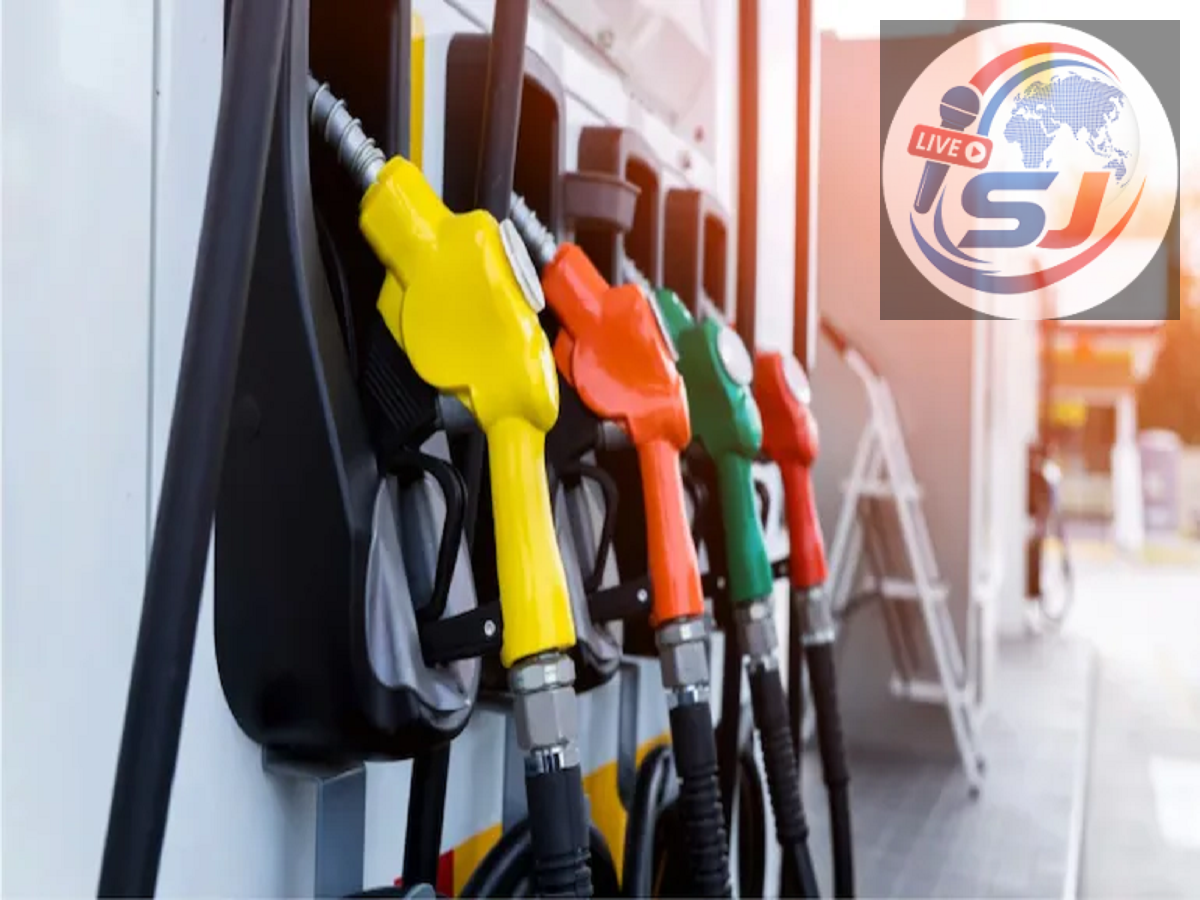
Petrol Diesel Price Today, November 5, 2026: Petrol and diesel prices across India remained unchanged on Thursday, November 5, despite a sharp decline in international crude oil prices. Government-owned oil marketing companies released their latest fuel rates at 6 AM, offering no immediate relief to consumers hoping for cheaper petrol and diesel.
Global oil markets witnessed significant selling pressure as expectations of a possible resolution to the Iran conflict increased following the United States midterm election results. International benchmark Brent crude reportedly dropped by $8.98 to $94.62 per barrel, slipping below the psychologically important $100 mark.
However, the steep fall in crude oil prices has not translated into lower retail fuel prices in India. This has raised questions among consumers about why petrol and diesel rates remain unchanged even when international oil prices decline substantially.
Here is a detailed look at today's petrol and diesel prices, the reasons behind the crude oil decline and the factors influencing fuel pricing in India.
Crude Oil Price Today: Brent Falls Below $100 Per Barrel
International crude oil prices experienced a significant correction amid changing geopolitical expectations.
According to the reported market figures, Brent crude declined by $8.98 per barrel to $94.62, reflecting a sharp fall in global oil prices.
The decline was linked to expectations that the ongoing conflict involving Iran could move towards a resolution.
Political developments in the United States also influenced market sentiment. Reports suggested that the midterm election results increased pressure on the Republican Party, with concerns surrounding the Iran conflict and US-Israel relations contributing to voter dissatisfaction.
Earlier, crude oil prices had risen sharply after US President Donald Trump warned of possible additional military action against Iran in October. Brent crude subsequently reached a six-month high.
The latest decline highlights how international oil markets respond to geopolitical developments, supply expectations and changes in global demand.
Petrol Diesel Price Today: Latest Rates in Major Indian Cities
According to the fuel price figures published for November 5, 2026, petrol and diesel prices remained unchanged in several major Indian cities.
| City |
Petrol Price (₹/Litre) |
Diesel Price (₹/Litre) |
|---|---|---|
| New Delhi |
₹102.12 |
₹95.20 |
| Mumbai |
₹111.21 |
₹97.83 |
| Chennai |
₹107.76 |
₹99.55 |
| Kolkata |
₹113.51 |
₹99.82 |
| Lucknow |
₹102.05 |
₹99.28 |
| Port Blair |
₹88.66 |
₹84.56 |
| Chittoor |
₹118.34 |
₹106.06 |
Source: Live Hindustan, November 5, 2026. These are reported retail prices and may differ from pump-level quotations.
Where Is Petrol and Diesel Cheapest in India Today?
According to the reported rates, Port Blair has some of the lowest petrol and diesel prices among the locations highlighted.
Petrol in Port Blair is priced at ₹88.66 per litre, while diesel costs ₹84.56 per litre.
In comparison, Chittoor in Andhra Pradesh has significantly higher fuel prices.
Petrol in Chittoor is listed at ₹118.34 per litre, while diesel costs ₹106.06 per litre.
The difference between the reported petrol prices in Port Blair and Chittoor is ₹29.68 per litre.
Such variations are influenced by state-level taxes, transportation expenses, local levies and other pricing factors.
Why Are Petrol and Diesel Prices Not Falling Despite Cheaper Crude Oil?
One of the biggest questions among consumers is why a sharp decline in international crude oil prices does not immediately result in cheaper petrol and diesel.
The explanation lies in how crude oil is purchased, transported, refined and sold.
1. Crude Oil Purchases Are Planned in Advance
Oil marketing companies do not necessarily purchase crude oil at the prevailing international market price for immediate delivery.
Crude oil shipments are often arranged through contracts negotiated weeks or months before delivery.
For example, crude oil arriving at an Indian refinery in November may have been purchased under an earlier agreement.
Therefore, a sudden decline in international prices may take time to influence the actual procurement costs of oil companies.
2. Oil Companies Consider Previous Losses and Profit Margins
Government-owned oil marketing companies such as Indian Oil Corporation, Bharat Petroleum and Hindustan Petroleum operate in a market where international prices can fluctuate significantly.
When crude oil becomes expensive, companies may not immediately pass the entire increase on to consumers.
Similarly, when international prices decline, companies may use the opportunity to improve their financial position or recover earlier margin pressures.
This can delay changes in retail petrol and diesel prices.
3. Central and State Taxes Affect Fuel Prices
The retail price of petrol and diesel includes more than the cost of crude oil.
Excise duty, state value-added tax, dealer commissions, refining expenses and transportation costs contribute to the final amount paid by consumers.
As a result, even a substantial decline in crude oil prices does not necessarily produce an equivalent reduction in petrol and diesel prices.
Tax structures also explain why fuel prices differ from one state to another.
4. Exchange Rate Movements Influence Import Costs
India imports a significant portion of its crude oil requirements.
International crude oil transactions are generally denominated in US dollars.
If the Indian rupee weakens against the dollar, the cost of importing crude oil can increase in rupee terms, even when global oil prices decline.
Consequently, currency fluctuations can reduce the benefit of lower international crude prices.
Petrol and Diesel Prices Were Increased Earlier in 2026
The source report also highlighted previous adjustments in domestic fuel prices.
According to Live Hindustan, government oil marketing companies increased petrol and diesel prices in four stages during May 2026.
The cumulative increase was reported at ₹7.50 per litre for each fuel.
The report also noted that the central government had earlier reduced excise duties when international crude oil prices were elevated.
These developments illustrate that domestic fuel prices do not always move immediately in the same direction as international crude oil prices.
Will Petrol and Diesel Become Cheaper in the Coming Days?
The recent fall in crude oil prices could reduce procurement costs if lower international prices persist.
However, a retail price reduction cannot be guaranteed.
Any future adjustment will depend on several factors, including international crude oil trends, exchange rates, oil marketing company margins, government tax policies and domestic market conditions.
Consumers should therefore avoid assuming that a one-day decline in Brent crude will automatically lead to cheaper petrol and diesel at fuel stations.
Oil marketing companies generally publish updated retail prices daily, and motorists can check the latest rates through official company websites and applications.
How to Check Petrol and Diesel Prices in Your City
Consumers can verify current fuel prices through the official websites or mobile applications of major oil marketing companies.
These include:
Checking the applicable city or fuel station is important because prices may vary between locations.
Final Thoughts
Petrol and diesel prices in India remained unchanged on November 5, 2026, even as Brent crude reportedly dropped sharply to $94.62 per barrel.
According to the published figures, petrol costs ₹102.12 per litre in Delhi, ₹111.21 in Mumbai, ₹113.51 in Kolkata and ₹107.76 in Chennai.
Although declining international crude oil prices may eventually provide some relief, retail fuel rates depend on procurement contracts, taxation, currency movements and pricing decisions.
Consumers will need to monitor official daily price announcements to see whether the latest decline in global crude oil prices leads to lower petrol and diesel rates.