
Pension Hike 2026: Dearness Relief Rises to 63%, Check New Family Pension and Arrears
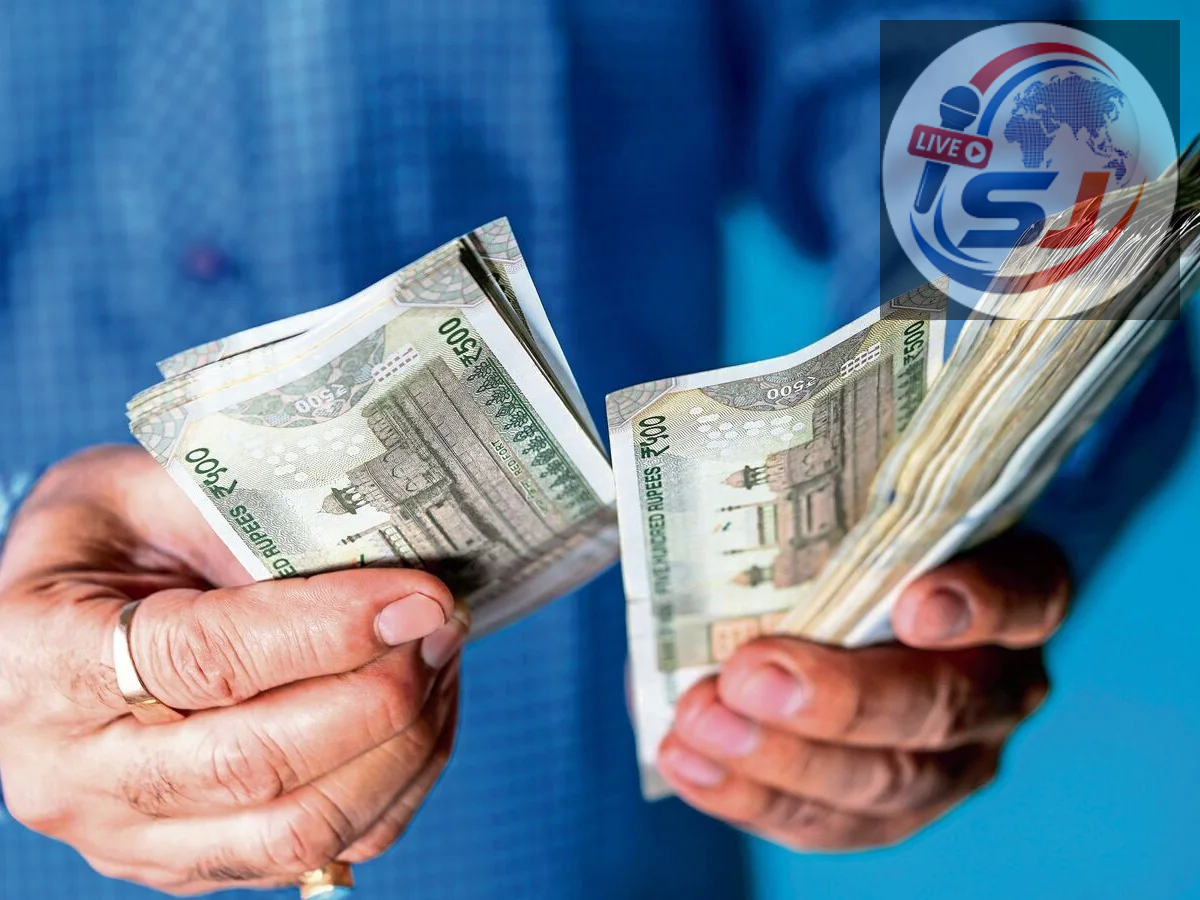
Pension Hike Latest News, October 30, 2026: The central government's decision to increase Dearness Allowance (DA) for employees has also brought financial relief to eligible pensioners and family pension beneficiaries. The government has approved a 3-percentage-point increase in Dearness Relief (DR), raising the rate from 60% to 63% of basic pension.
According to a Live Hindustan report published on October 30, 2026, the revised DR rate is effective from July 1, 2026. This means eligible pensioners may receive both higher monthly pension payments and arrears for the previous months.
The revision also benefits eligible family pensioners covered under the Old Pension Scheme (OPS) and applicable provisions of the Unified Pension Scheme (UPS).
However, the actual increase will depend on the individual's basic pension or basic family pension.
Dearness Relief Increased From 60% to 63%
Dearness Relief is an additional amount paid to eligible government pensioners to help offset the impact of inflation.
The central government periodically revises DR rates based on the applicable inflation-related framework.
Under the latest revision, the DR rate has increased by 3 percentage points.
| Particulars |
Details |
|---|---|
| Previous DR rate |
60% |
| Revised DR rate |
63% |
| Increase |
3 percentage points |
| Effective date |
July 1, 2026 |
| Beneficiaries |
Eligible central government pensioners and family pensioners |
| Arrears |
May be payable from July 2026 |
The increase applies to the DR component. It does not automatically change the basic pension amount.
Family Pension of ₹24,000: How Much Will It Increase?
Consider an eligible family pensioner receiving a basic monthly family pension of ₹24,000.
At the previous DR rate of 60%, the monthly Dearness Relief was ₹14,400.
After the increase to 63%, the monthly DR becomes ₹15,120.
MONTHLY FAMILY PENSION EXAMPLE
Previous total
₹38,400
₹24,000 basic + 60% DR
Revised total
₹39,120
₹24,000 basic + 63% DR
Extra monthly pension
+₹720
Illustrative gross amounts before any applicable deductions or adjustments.
The family pensioner's basic pension remains ₹24,000, while the DR component increases by ₹720.
Pension DR Calculator: Check Your Monthly Increase
Eligible pensioners can estimate the effect of the new rate using their basic pension amount.
Enter basic monthly pension (₹)
Old DR at 60%
₹14,400
New DR at 63%
₹15,120
Extra DR per month
₹720
Possible four-month arrears
₹2,880
Estimates assume the same eligible basic pension throughout July–October 2026 and no other adjustments.
DR Hike 2026: Pension-Wise Increase Table
The following examples show how the 3-percentage-point increase affects different basic pension amounts.
| Basic pension |
Old DR at 60% |
New DR at 63% |
Monthly increase |
|---|---|---|---|
| ₹9,000 |
₹5,400 |
₹5,670 |
₹270 |
| ₹12,000 |
₹7,200 |
₹7,560 |
₹360 |
| ₹15,000 |
₹9,000 |
₹9,450 |
₹450 |
| ₹20,000 |
₹12,000 |
₹12,600 |
₹600 |
| ₹24,000 |
₹14,400 |
₹15,120 |
₹720 |
| ₹30,000 |
₹18,000 |
₹18,900 |
₹900 |
| ₹40,000 |
₹24,000 |
₹25,200 |
₹1,200 |
| ₹50,000 |
₹30,000 |
₹31,500 |
₹1,500 |
The higher the eligible basic pension, the larger the rupee increase resulting from the same DR revision.
Will Family Pensioners Receive Arrears?
Yes, eligible family pensioners may receive arrears because the revised DR rate is effective from July 1, 2026.
If the revised rate is reflected in pension payments beginning in November, the unpaid difference for July, August, September and October could be paid as arrears.
For example, a family pensioner with a basic pension of ₹24,000 would receive an additional ₹720 per month.
For four months, the estimated arrears would be:
₹720 × 4 = ₹2,880.
However, the actual payment date and amount will depend on pension disbursement instructions and individual eligibility.
Estimated Four-Month DR Arrears
| Basic monthly pension |
Extra DR per month |
Four-month arrears |
|---|---|---|
| ₹9,000 |
₹270 |
₹1,080 |
| ₹15,000 |
₹450 |
₹1,800 |
| ₹20,000 |
₹600 |
₹2,400 |
| ₹24,000 |
₹720 |
₹2,880 |
| ₹30,000 |
₹900 |
₹3,600 |
| ₹40,000 |
₹1,200 |
₹4,800 |
These figures are examples rather than confirmed individual payment amounts.
How Is Family Pension Calculated Under OPS?
Under the Old Pension Scheme, ordinary family pension is generally calculated at 30% of the deceased government employee's applicable last basic pay, subject to relevant rules.
The normal family pension provisions include a minimum of ₹9,000 and a maximum of ₹75,000 per month under the applicable 7th CPC framework.
For example, if the deceased employee's relevant last basic pay was ₹80,000, the ordinary family pension calculation would be:
₹80,000 × 30% = ₹24,000 per month.
Dearness Relief is then calculated separately on the eligible basic family pension.
At 63% DR, the amount would be ₹15,120, bringing the combined monthly figure to ₹39,120.
However, certain families may qualify for enhanced family pension for a specified period. The applicable amount and duration depend on the relevant pension rules.
Who Is Eligible for Family Pension?
Family pension is intended to provide financial support to eligible family members after the death of a government employee or pensioner.
Depending on the applicable pension rules, beneficiaries may include an eligible spouse, children or other qualifying family members.
The eligibility conditions can depend on factors such as age, marital status, disability and financial dependency.
The report also notes that family pension may become payable following the death of a government employee after one year of continuous service, subject to relevant exceptions.
In some circumstances, family pension can be admissible even where the employee had not completed one year of service, provided the prescribed conditions are satisfied.
Family pension may also be payable following the death of a retired government pensioner.
Will UPS Family Pensioners Also Benefit?
The report states that eligible family pension beneficiaries under the Unified Pension Scheme may also benefit from the applicable DR revision.
However, the UPS has its own rules governing assured payouts and family benefits.
Under the UPS framework, eligible family payout provisions are different from the ordinary OPS family pension formula.
Therefore, pensioners should not automatically apply the OPS calculation of 30% of last basic pay to every UPS case.
The actual amount must be determined according to the relevant UPS provisions and applicable Dearness Relief rules.
What Is the Difference Between DA and DR?
Dearness Allowance and Dearness Relief serve similar purposes but apply to different categories of beneficiaries.
| Feature |
Dearness Allowance (DA) |
Dearness Relief (DR) |
|---|---|---|
| Paid to |
Eligible serving employees |
Eligible pensioners and family pensioners |
| Calculated on |
Applicable basic pay |
Basic pension or family pension |
| Main purpose |
Help offset inflation |
Help offset inflation |
| Revised 7th CPC rate |
63% |
63% |
| Effective date |
July 1, 2026 |
July 1, 2026 |
The latest increase means eligible serving employees and pensioners covered by these rates will receive higher inflation-linked payments.
How Many People Will Benefit?
According to the report, the government's DA and DR revision is expected to benefit approximately 48.54 lakh central government employees and 68.71 lakh pensioners.
Together, the two groups represent more than 1.17 crore beneficiaries.
The revision is expected to increase monthly payments for eligible recipients, with the actual benefit determined by their respective basic pay or pension.
How Can Pensioners Check Their Revised Pension?
Pensioners should review their pension payment details once the revised DR rate is implemented.
They can check the pension credit received in their bank accounts and compare it with the applicable basic pension and DR rate.
Central civil pensioners may also use relevant services available through the Central Pension Accounting Office (CPAO).
Useful official websites include Central Pension Accounting Office and Pensioners' Portal.
If the revised payment or arrears are not reflected, pensioners can contact their pension-disbursing bank or the relevant pension authority for clarification.
Pension Hike 2026: What Pensioners Should Know
The increase in Dearness Relief from 60% to 63% will provide additional monthly income to eligible central government pensioners and family pensioners.
The revision is effective from July 1, 2026, which means eligible beneficiaries may also receive arrears.
For a family pensioner receiving a basic pension of ₹24,000, the increase amounts to ₹720 per month, with illustrative arrears of ₹2,880 for four months.
The key takeaway: The government has increased DR by 3 percentage points, bringing the rate to 63%. Eligible family pensioners will also benefit, but the exact increase depends on their basic family pension and the rules of the pension scheme under which they are covered.
Source Credit: Pensioners' Portal and Central Pension Accounting Office.