
LPG Gas Regulator Safety: 4 Warning Signs That Mean You Should Get It Checked or Replaced
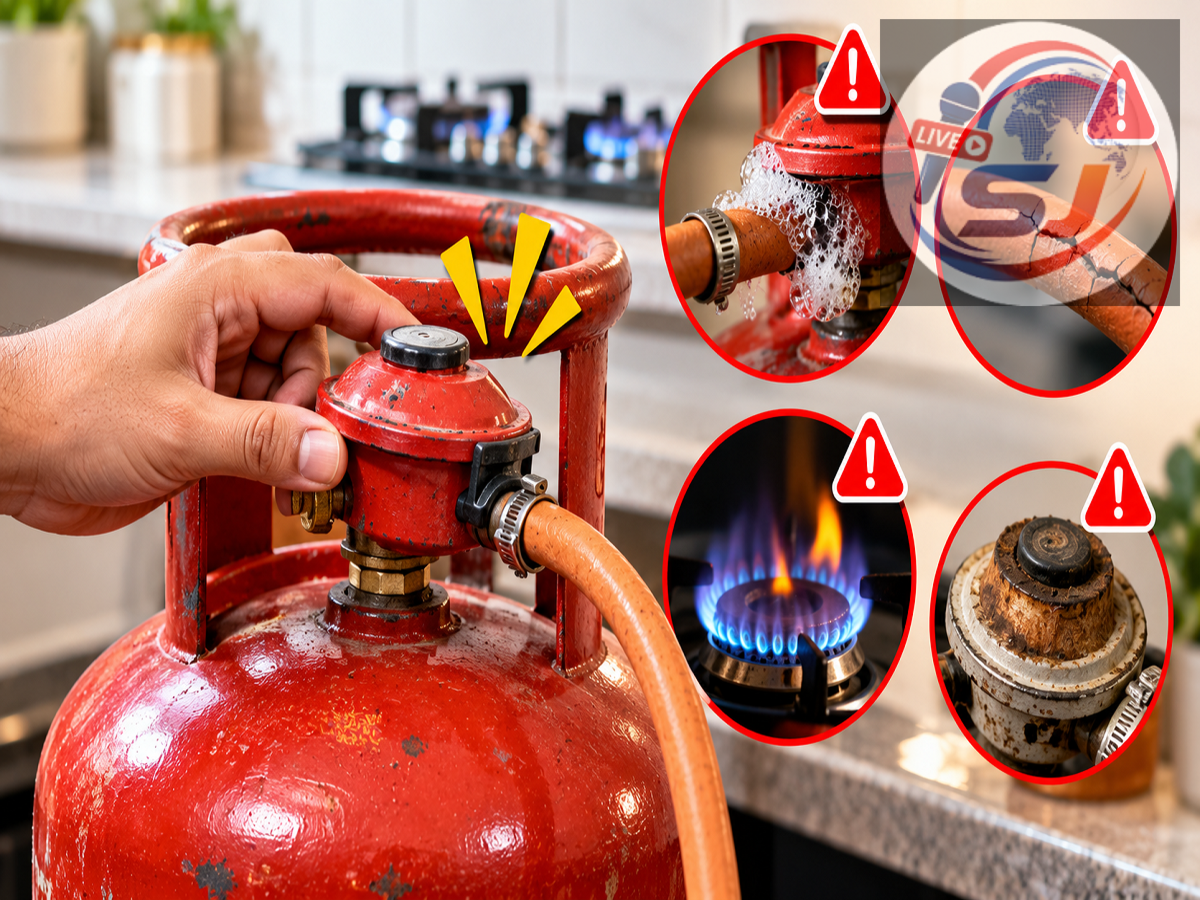
LPG Gas Regulator Safety Tips: Most households regularly check their LPG cylinders and gas stoves, but the regulator often receives little attention. This small device plays an important role in controlling the flow and pressure of cooking gas from the cylinder to the stove. If it becomes damaged or develops a leak, it can create a serious safety risk.
A gas regulator does not necessarily need replacement after a fixed number of years. Its usable life depends on the model, manufacturer instructions, condition and applicable safety requirements. However, certain warning signs should never be ignored.
If you notice a gas smell, an unusual hissing sound, irregular stove flames or visible damage to the regulator, it is important to stop using the appliance and arrange a professional inspection.
Here are four warning signs every LPG user should know.
1. Gas Smell Near the Cylinder or Regulator
One of the most important warning signs is the smell of LPG near the cylinder, regulator or connecting pipe.
LPG is given a distinctive odour so that leaks can be detected more easily. If you notice this smell, treat it as a possible gas leak, even if you cannot identify the exact source.
A leak may occur at the regulator connection, gas hose, cylinder valve or another part of the system.
What should you do if you smell LPG?
-
Do not light a match, lighter or gas stove.
-
Do not operate electrical switches, plugs, exhaust fans or other electrical equipment in the affected area.
-
Turn off the gas supply only if you can do so safely.
-
Open doors and windows for natural ventilation if it is safe.
-
Move everyone away from the affected area.
-
Call the LPG emergency helpline 1906 from a safe location outside the affected area.
If there is a fire or immediate danger, contact emergency services on 112 or the fire service on 101, as applicable.
Never attempt to dismantle the regulator or locate a suspected leak using a flame.
2. Hissing or Unusual Noise From the Regulator
Another warning sign is a continuous hissing or air-escaping sound near the regulator or cylinder connection.
Such a sound can indicate that gas is escaping through a loose or defective connection.
However, the exact cause cannot be determined from the sound alone.
If you hear an unusual noise, stop using the stove and follow the same precautions recommended for a suspected gas leak.
If it is safe to do so, close the regulator valve and leave the area.
Contact your LPG distributor or an authorised technician to inspect the connection.
Do not tighten, dismantle or adjust the regulator yourself while investigating a possible leak.
A trained technician can determine whether the problem involves the regulator, cylinder valve, hose or another component.
3. Gas Stove Flame Keeps Changing or Turns Yellow
A healthy LPG stove flame is generally steady and predominantly blue during normal operation.
If the flame repeatedly becomes weak, unusually strong, unstable or yellow, the gas system may require attention.
However, a yellow or irregular flame does not automatically mean the regulator is defective.
Possible causes include blocked burner openings, insufficient air supply, dirty stove components or irregular gas pressure.
Yellow flames can also indicate incomplete combustion, which may increase the risk of carbon monoxide production.
What should you do?
Stop using a stove that is behaving abnormally and arrange an inspection by an authorised technician.
The technician should check the burner, gas supply and regulator to identify the actual problem.
Do not attempt to modify the regulator pressure or dismantle the gas connection.
If the regulator is found to be defective, it should be replaced with an approved, compatible unit.
4. Rust, Cracks or Loose Regulator Connections
Visible damage is another important reason to have an LPG regulator inspected.
Signs that require attention include corrosion, cracks, damaged components, difficulty locking the regulator onto the cylinder or a connection that does not fit securely.
A damaged regulator may not function as intended, increasing the risk of unsafe gas delivery or leakage.
Do not continue using a regulator that appears cracked, loose or otherwise damaged.
Avoid temporary repairs using tape, glue, wires or improvised fittings.
Instead, contact your LPG distributor and request an inspection or replacement.
Only an authorised professional should determine whether the regulator can remain in service.
How Many Years Can an LPG Gas Regulator Be Used?
Many people assume that every domestic LPG regulator must be replaced after five or ten years.
However, there is no single replacement interval that should automatically be applied to every regulator without checking its specifications and applicable guidance.
The service life can depend on the manufacturer's instructions, regulator design, operating conditions and maintenance history.
Consumers should check any available manufacturing or identification markings and consult their LPG distributor regarding inspection and replacement requirements.
A regulator that has reached a manufacturer-specified service limit should be replaced even if it appears to be working normally.
Similarly, a newer regulator showing signs of damage or leakage requires immediate attention.
Important: The age of a regulator is not the only factor determining whether it is safe.
What to Check When Replacing an LPG Regulator
When a replacement is necessary, consumers should obtain a suitable regulator through their authorised LPG distributor or an approved service channel.
The new regulator must be compatible with the cylinder and domestic gas connection.
A trained technician should ensure that it is fitted correctly and that the installation meets applicable safety requirements.
The connecting hose should also be inspected for damage, deterioration and suitability.
Consumers should avoid purchasing unverified regulators or attempting to modify existing fittings.
Using the wrong regulator or an unsuitable connection can create serious safety problems.
LPG Safety Inspection: Why Regular Checks Matter
Periodic safety inspections can help identify problems before they become emergencies.
The supplied report refers to guidance recommending inspection of domestic LPG installations by authorised mechanics every five years.
Consumers should confirm the inspection schedule and requirements applicable to their LPG distributor and connection.
A professional inspection may cover the regulator, hose, stove, cylinder connection and other relevant safety components.
Routine visual awareness is useful, but it cannot replace a proper technical inspection.
LPG Regulator Warning Signs at a Glance
| Warning Sign |
Possible Concern |
Recommended Action |
|---|---|---|
| LPG smell |
Possible gas leakage |
Stop use, evacuate and call 1906 from a safe location |
| Continuous hissing |
Possible leak at connection |
Follow gas leak precautions and request inspection |
| Unstable or yellow flame |
Burner, air supply or pressure problem |
Stop using the stove and arrange professional inspection |
| Rust, cracks or loose fitting |
Damaged or insecure component |
Do not use until inspected or replaced |
Final Takeaway
An LPG regulator is a vital part of household cooking gas safety. Ignoring signs of damage or leakage can put family members and property at risk.
Gas smell, unusual hissing, unstable flames and visible damage are four important reasons to arrange an inspection.
Not every symptom proves that the regulator needs replacement, but each deserves attention from a qualified professional.
If you suspect a gas leak, prioritise safety over troubleshooting. Leave the affected area and call the LPG emergency helpline 1906 from a safe location.
Regular inspections, approved equipment and timely replacement of defective components can help keep your household LPG system safer.
Disclaimer: This article provides general LPG safety information. Never attempt to repair, modify or dismantle a suspected faulty gas regulator yourself. Follow your LPG distributor's official safety instructions and use authorised technicians.