LIC Agent Commission Rules 2026: CEO Explains How IRDAI's Proposed Changes May Affect Agents and Policyholders
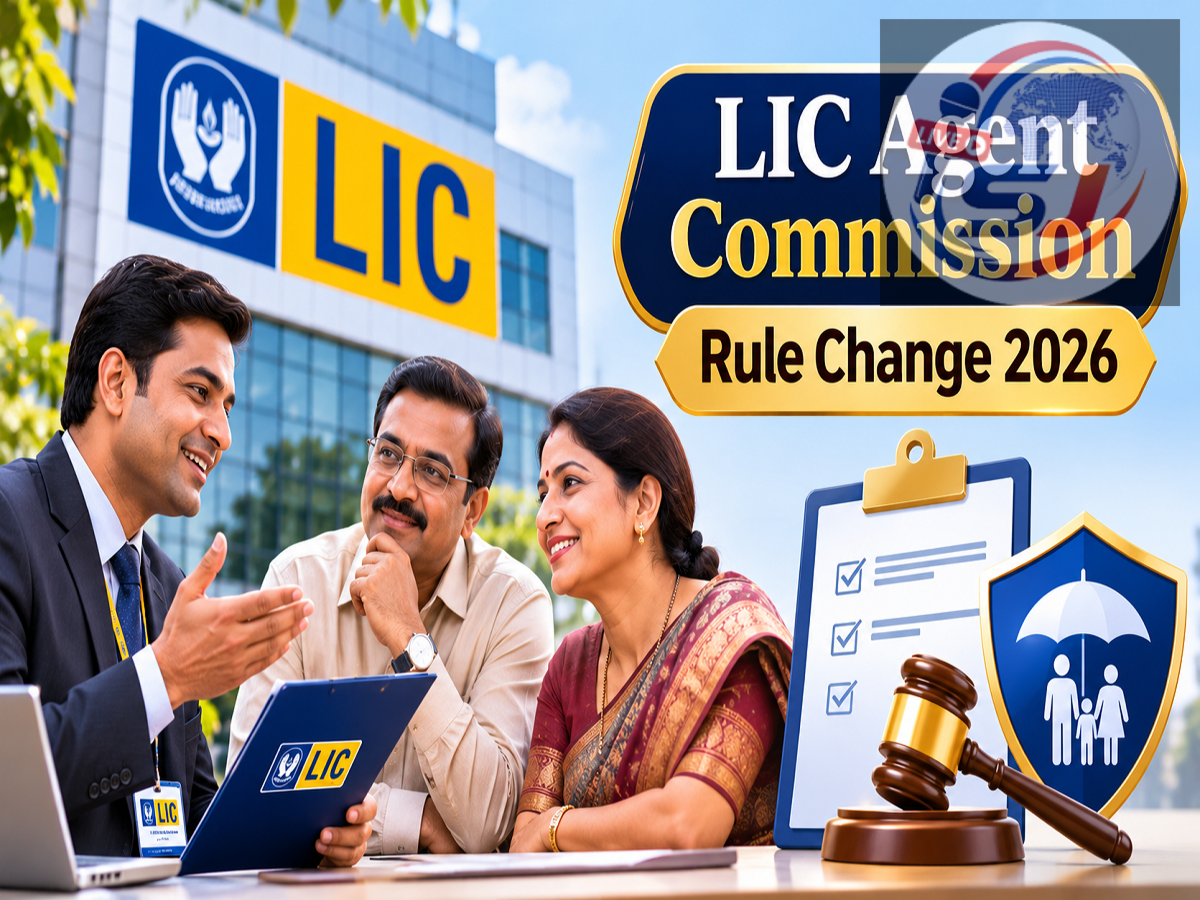
LIC Agent Commission Update 2026: The Insurance Regulatory and Development Authority of India (IRDAI) is considering significant changes to insurance agent commissions and distribution expenses, raising questions about the possible impact on Life Insurance Corporation of India (LIC) and its extensive network of insurance agents.
The proposed regulatory framework aims to control the costs incurred by insurance companies when selling policies and managing distribution networks. While the changes could influence commission structures across the industry, LIC believes its existing cost-management practices will help it adapt with relatively limited disruption.
LIC Managing Director and CEO R. Doraiswamy has clarified that the insurer already operates within several of the proposed regulatory limits. However, certain insurance products and premium-payment arrangements may require adjustments once the new regulations are finalised.
IRDAI New Rules 2026: What Changes Are Being Proposed?
IRDAI is reviewing the framework governing insurance distribution expenses, including commissions paid to agents and other intermediaries.
The regulator's consultation paper, issued on September 23, 2026, proposes tighter controls on distribution costs and overall expenses incurred by insurers.
Under the existing regulatory structure, insurers operate within prescribed Expenses of Management (EOM) limits. These expenses include various operational and distribution-related costs.
The proposed changes seek to introduce greater discipline in how insurance companies allocate funds towards policy sales and distribution.
The broader objective is to improve cost efficiency and support the long-term interests of policyholders.
However, the proposals have not yet become final regulations, and the precise requirements may change following consultations with insurance companies and industry representatives.
Why Does LIC Expect a Limited Impact From the New Rules?
LIC's management believes the company is comparatively well positioned to handle the proposed regulatory changes.
According to Doraiswamy, LIC has traditionally maintained internal controls on commission payments and other distribution-related expenses.
As a result, many of its existing practices already align with the limits being considered by IRDAI.
The insurer may nevertheless need to review certain product categories, particularly regular-premium policies with specific premium-payment terms.
If the final regulations require changes to individual insurance products, LIC could modify their features, withdraw selected plans or submit revised products for regulatory approval.
Doraiswamy indicated that such adjustments could create some immediate operational effects, although the overall financial impact on LIC is expected to remain relatively modest.
Insurance companies with substantially higher distribution costs may face greater challenges in complying with the proposed framework.
Will LIC Agents Receive Lower Commissions Under the Proposed Rules?
One of the biggest concerns among LIC agents is whether the regulatory changes will reduce their earnings.
At present, there is no confirmed percentage reduction in LIC agent commissions under the proposed framework.
The final impact will depend on the regulations eventually adopted by IRDAI and the changes LIC may need to make to its product-level commission structures.
Doraiswamy has emphasised that insurance agents remain important contributors to LIC's business development and customer relationships.
The company has already submitted its recommendations to IRDAI, covering commission rates, different insurance products and premium-payment arrangements.
LIC expects the regulator to consider the interests of insurance companies, distribution partners and policyholders before issuing the final framework.
For agents, this means that existing commission arrangements should not be assumed to have changed merely because a consultation paper has been released.
Why Is IRDAI Reviewing Insurance Distribution Expenses?
The proposed reforms follow changes in the way insurance companies manage and report commission-related expenditure.
Earlier regulatory arrangements included specific restrictions on commission payments. Subsequent reforms placed greater emphasis on overall management expenses, providing insurers with additional flexibility.
According to LIC's management, distribution expenses across parts of the insurance industry increased after the earlier commission caps were removed.
IRDAI is now examining whether tighter limits could help improve the economics of insurance products.
Reducing excessive distribution costs could potentially benefit customers if savings are reflected in product pricing, value or service quality.
However, the actual benefits for policyholders will depend on the final regulations and how individual insurance companies implement them.
LIC Financial Results: Profit Rises More Than 20% in September Quarter
Alongside the regulatory developments, LIC has reported stronger financial performance for the second quarter of the financial year 2026-27.
The insurer's standalone net profit increased by 20.12% year-on-year, while net premium income also registered double-digit growth.
| Financial Indicator |
Q2 FY27 |
Q2 FY26 |
|---|---|---|
| Standalone Net Profit |
₹12,076.02 crore |
₹10,053.39 crore |
| Net Premium Income |
₹1,47,018.18 crore |
₹1,26,479.26 crore |
| Single Premium Income |
₹68,402.86 crore |
₹50,802.84 crore |
| Renewal Premium Income |
₹68,374.53 crore |
₹64,995.67 crore |
The improvement reflects growth in premium collections and the insurer's continued focus on its business portfolio.
LIC's Value of New Business (VNB) margin has also reached 22.3%, supported by changes in product mix and increased emphasis on non-participating insurance products.
The VNB margin is an important profitability measure that helps insurers assess the expected value generated from newly written business.
LIC's Business Strategy for FY27: Focus on Term Insurance, Savings and ULIPs
LIC is planning to expand several insurance categories during the financial year 2026-27.
The company intends to strengthen its presence in individual term insurance, savings-oriented policies, annuity products and Unit Linked Insurance Plans (ULIPs).
It is also increasing its attention towards health and protection-related insurance offerings.
Among the products highlighted by LIC's management are Health Shield, New Cancer Cover and Jeevan Raksha.
Jeevan Raksha is a pure term insurance product intended to address the protection requirements of customers who may not currently have adequate life insurance coverage.
The company is also working towards a more balanced portfolio of participating and non-participating insurance products.
LIC Bima Sakhi Scheme: Company Targets Every Panchayat
LIC is simultaneously strengthening its insurance distribution network, particularly in rural and semi-urban areas.
Under its Bima Sakhi initiative, the insurer aims to establish a presence in every panchayat across India.
According to Doraiswamy, the programme has already reached approximately 66% of the country's panchayats.
The initiative is part of LIC's wider strategy to increase insurance awareness, improve accessibility and expand its customer base.
The company also intends to improve agent productivity and introduce a broader range of products to remain competitive against private-sector insurers.
What Should Existing LIC Policyholders Know?
Existing LIC customers do not need to assume that their policy benefits or premium obligations have changed because of the proposed commission regulations.
The consultation primarily concerns insurance distribution expenses and related commission structures.
Any future changes affecting specific products would depend on the final regulatory requirements and the terms applicable to those policies.
Policyholders should continue paying premiums according to their existing schedules and rely on official LIC communications for confirmed updates.
Insurance agents should similarly wait for formal announcements regarding commission arrangements rather than relying on speculation.
Conclusion
IRDAI's proposed insurance distribution reforms could introduce important changes to the way insurance companies manage commissions and policy-selling expenses.
LIC, however, expects a relatively limited impact because it already maintains internal restrictions on several distribution-related costs.
Although some insurance plans may require modifications, the company has not announced any across-the-board reduction in agent commissions.
With LIC's quarterly profit increasing and its distribution network continuing to expand, the insurer remains focused on business growth while preparing for potential regulatory adjustments.
The final implications for agents, insurers and policyholders will become clearer once IRDAI completes the consultation process and announces its regulations.